English
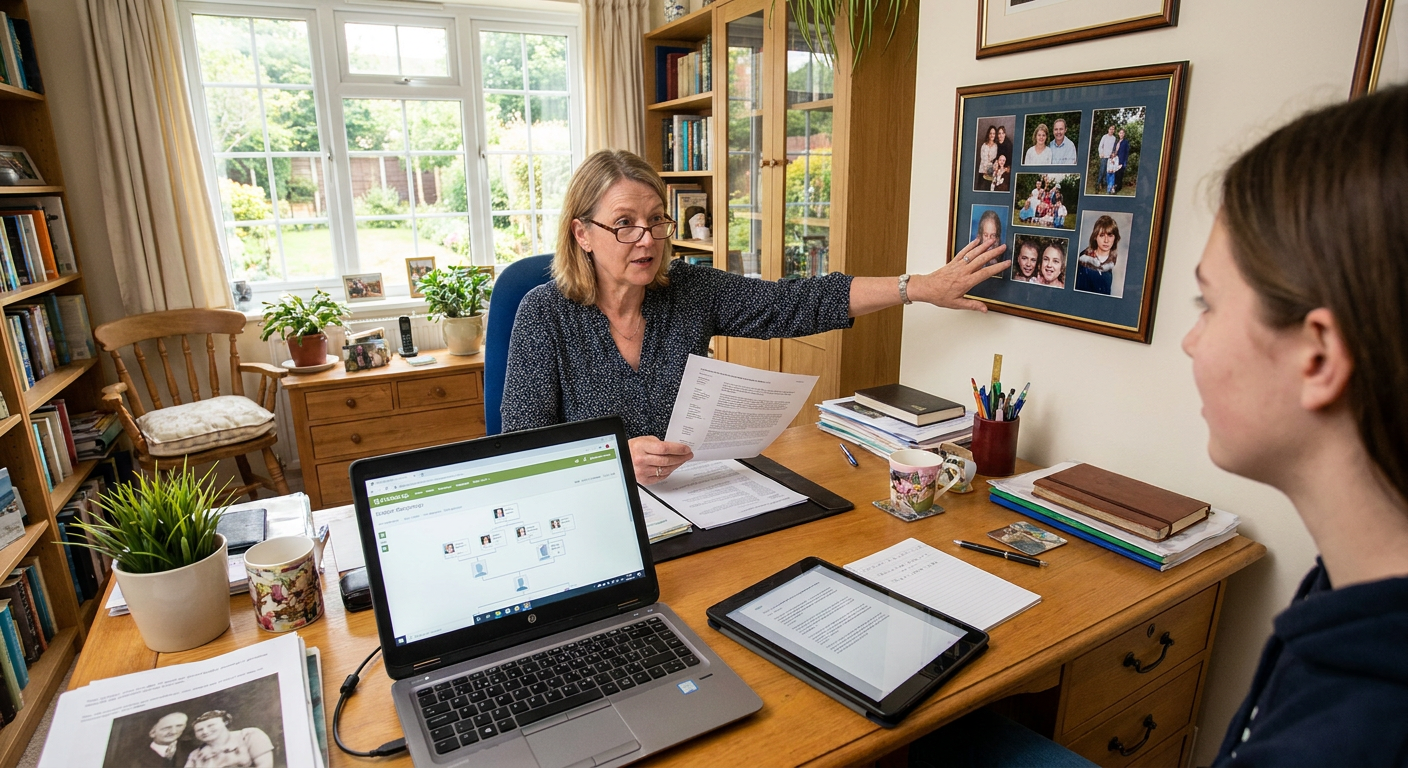
The question "Who is my father?" carries a profound weight for many individuals. It's a journey into the core of one's identity, a quest for answers that can shape personal history and future connections.Embarking on this search can feel overwhelming, but modern technology and traditional genealogy have created powerful pathways to discovery. For those with unknown paternity, the reasons are varied: adoption, donor conception, or family circumstances that left questions unanswered. Whatever the reason, the desire to know is a valid and deeply human one. This guide outlines proven methods to help you navigate this complex but rewarding journey.

Key Takeaways
- DNA Testing is Transformative: Autosomal DNA tests are the most powerful starting point, connecting you with genetic relatives and potentially identifying your father or close family members. Their power lies in bypassing incomplete or inaccessible paper records, offering a direct biological map of your ancestry.
- Paper Trails Are Crucial: Combining DNA evidence with traditional genealogical research, such as searching birth certificates, census data, and other historical records, is often essential for confirming a biological connection. DNA can suggest a relationship, but historical documents provide the narrative and proof.
- Start with What You Know: Gather every piece of information, no matter how small, from your mother and other family members. Names, locations, dates, and stories provide critical clues that form the foundation of your search and give you a starting point for both DNA analysis and record hunting.
- Build a Family Tree: Constructing a family tree, even with limited information, helps visualize connections and identify common ancestors among your DNA matches. This acts as a dynamic workspace where you can map out hypotheses and narrow down potential paternal lines.
- Patience and Strategy are Key: This process can take time and involves emotional highs and lows, so it is important to manage your expectations. A methodical approach that combines different research techniques and allows for periods of rest and reflection often yields the best results.
1. Start with an Autosomal DNA Test
Genetic genealogy has revolutionized the search for unknown parentage. The single most effective step you can take is to take a DNA test. Because you inherit DNA from all of your recent ancestors, your genetic code contains a unique blueprint of your entire family history. Unlike other types of DNA tests that trace only a single paternal or maternal line, an autosomal DNA test analyzes this complete genetic makeup. It provides a list of living relatives, or DNA matches, from all branches of your family, which is the key to unlocking your paternal line.
How DNA Matching Works
When you receive your results, the testing platform will present a list of individuals who share DNA with you, ranked by the amount of shared genetic material. The closer the biological relationship, the more DNA you will share. While you could be fortunate and find your father, a half-sibling, or an aunt or uncle in your match list, it is more common to find more distant cousins. These relatives are still incredibly valuable to your search.
By examining the family trees of these matches, you can identify a common ancestral couple and begin to trace their descendants forward in time to find your father. This investigative process, often called reverse genealogy, is a cornerstone of solving unknown parentage cases. It requires working backward from your known matches to find where their family histories intersect, and then building the family tree forward to the present day to discover how you fit into that shared lineage.
2. Interview Your Mother and Relatives
While DNA provides the scientific roadmap, oral history provides the essential context that gives the map meaning. Before diving deep into records, have an open and honest conversation with your mother, if possible. This can be a difficult and sensitive topic, so it is important to approach it with compassion and reassurance. Gently explain why this information is important to your sense of self and identity, and be prepared to listen with empathy. Any detail, no matter how small it seems, can be a crucial clue.
Key Questions to Ask
Here are some questions to ask:
- What was his full name or even just a first name or surname?
- How old was he at the time? Where was he from?
- Where did they meet? (A city, a workplace, a school, a party)
- Do you know anything about his family, such as his parents' or siblings' names?
- What was his occupation or what did he study?
- Did he serve in the military?
- Are there any old photographs or letters?
Gather similar information from older relatives like grandparents, aunts, and uncles. They may remember a name, a place, or a story that was forgotten or seemed insignificant at the time. A detail that means little to a relative, such as a unique hobby or a description of a car, could become a key identifier when you later analyze your research. Document every piece of information carefully, as creating a detailed timeline and narrative is fundamental to a successful search.

3. Request Your Original Birth Certificate
The documents surrounding your birth can hold vital clues, and none is more important than your birth certificate. For individuals who were adopted, obtaining your original birth certificate (OBC) is a critical step. An OBC is the document created at the time of your birth that lists your birth parents. It is distinct from an amended birth certificate, which is typically created after an adoption is finalized and lists the adoptive parents.
The OBC often lists the name of the birth mother and, in many cases, the birth father. Access to these records varies significantly by location, as different jurisdictions have different laws governing the release of sealed adoption records. Many states and countries now have laws that allow adoptees to request their OBC upon reaching adulthood, though some may still be restricted. It is worth investigating the specific procedures for the location where you were born.
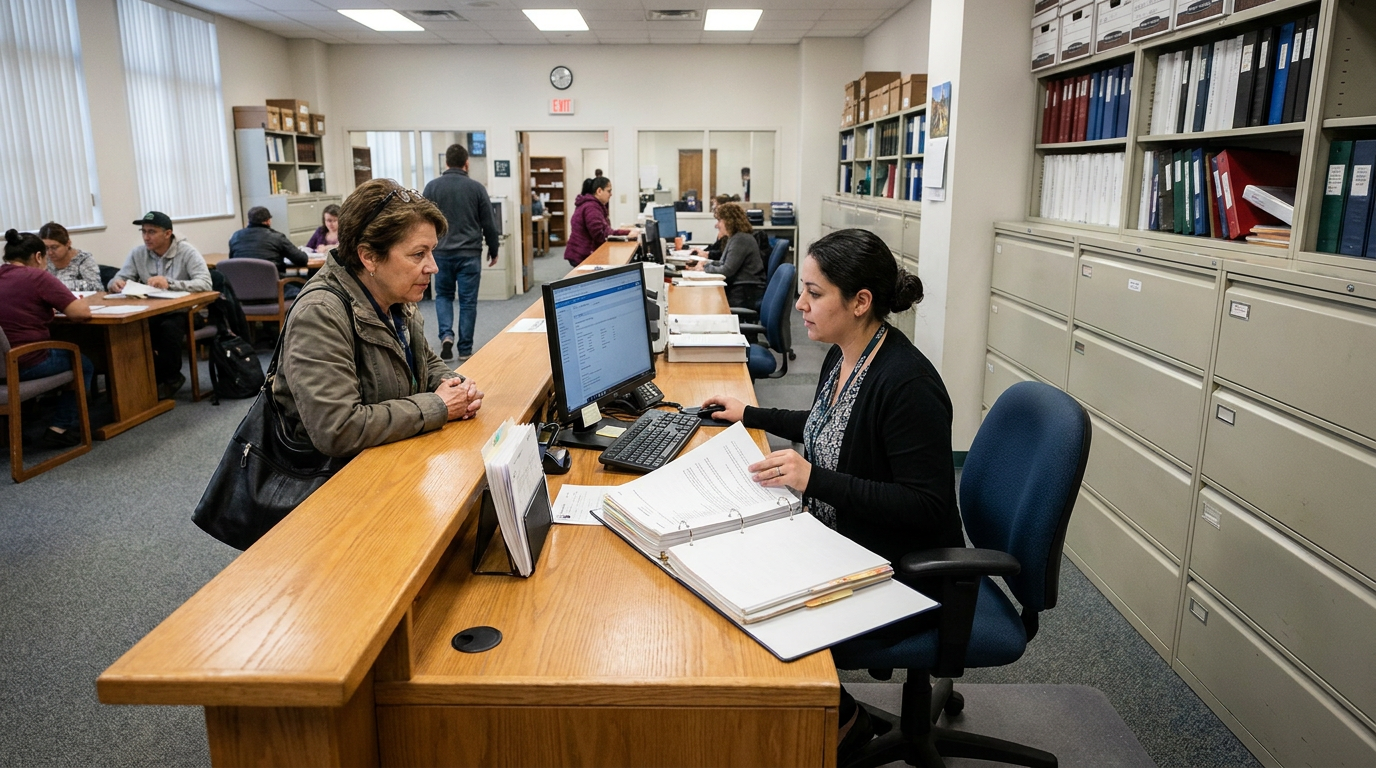
If the father's name is not on the birth certificate, the document can still provide valuable information. Details like the mother's full name, her age, and her place of residence at the time of your birth are essential for building a timeline and focusing your search. A father’s name may be absent for many reasons, and this should not be seen as a dead end. To begin this process, contact the vital records office in the state or county where you were born to inquire about the procedure for requesting your original birth certificate. Genetic testing may also be required in legal contexts if documents are missing.
4. Search Historical Records and Build a Tree
With clues from DNA and family interviews, you can begin the work of traditional genealogy. This involves building a speculative family tree for your potential father based on the information you uncover. You can start a family tree online and add everyone you know, beginning with yourself and your mother. This tree is a working space for your research, a visual canvas where you can test hypotheses and connect potential ancestors.
Using Records to Build Connections
As you identify common ancestors from your DNA matches, you can build out their family trees to find where they intersect. For example, if several of your top matches are all descendants of a specific couple, this couple likely represents your paternal great-grandparents or great-great-grandparents. This is a logical certainty; because you share DNA with these matches, you must also share the ancestors from whom that DNA was inherited. Building out this shared family line is how you begin to reconstruct your own.
Leverage online archives to search historical records that can confirm connections:
- Census Records: These can place a person in a specific household at a specific time, listing family members.
- City Directories: These act like phone books and can list a person's address and occupation for years when a census wasn't taken.
- Yearbooks and School Records: If you know where your potential father might have attended high school or college, yearbooks can provide a photo and confirm attendance.
- Church Records: Baptismal and marriage records are invaluable for tracing family lines, especially before civil registration became standard.
Genealogical research is more than just collecting names and dates; it is an interpretive art. Records can contain errors, conflicting details, and subtle clues that are not obvious at first glance. Learning to analyze documents critically, cross-reference information, and understand the historical context in which they were created is a skill that develops over time. Those who begin genealogical research often visit local institutions to find specific finding aids and microfilm.

5. Systematically Analyze Your DNA Matches
Finding your father often requires more than just looking for a close match; it requires systematic analysis. This means moving beyond a simple review of your top matches and adopting an organized, methodical approach. Start by focusing on your closest matches and using the platform’s tools to sort them into groups based on how they are related to you and each other. For instance, using a feature like a Chromosome Browser, which visually maps the specific DNA segments you share, can help confirm relationships in a more granular way. If several of your matches all share the same segment of DNA with you, it's highly probable that you all inherited it from a single common ancestor.
Advanced DNA Strategies
This technique, known as chromosome triangulation, helps you group your matches into family clusters. Think of each cluster as a distinct branch of your family tree. Once you have a cluster of related matches, you can focus your research on them collaboratively. By building out their family trees, you can find the common ancestor that connects them all, and by extension, connects them to you.
That ancestor is also your ancestor, bringing you one step closer to your father. Genetic genealogy has become a primary resource for these types of investigations.
Another powerful strategy is to test other known relatives. For example, testing your mother will allow a genealogy platform to separate your matches into paternal and maternal sides. This acts as a powerful genetic filter, immediately identifying which relatives belong to your father's side of the family. Any match that you share DNA with but your mother does not is automatically from your paternal side. In cases of uncertainty about paternity, a DNA test can determine biological connections with high certainty.
This journey is a puzzle, and every clue, from a shared DNA segment to a half-remembered name, is a piece that helps complete the picture. The search for a biological father is as much a process of self-discovery as it is about finding another person. It can be a long and emotional road, but with persistence, strategy, and the right tools, you can uncover the answers you seek and find a new sense of connection to your past and your identity.
Frequently Asked Questions