English

Finding an ancestor's arrival record among these millions can feel like searching for a needle in a haystack, but with the right information and strategy, it is an achievable and deeply rewarding part of the genealogical journey. These passenger manifests are rich with detail, often containing not just names and dates, but also occupations, last residences, and even the amount of money they carried.

Today, thanks to extensive digitization projects, these vital historical records are more accessible than ever. Researchers can now explore these documents from their own homes, a process that once required physical trips to archives. Successfully locating an ancestor's Ellis Island record can unlock a wealth of information, providing a direct link to their past and painting a vivid picture of their journey to America. It often serves as a critical bridge connecting a family's American story to its roots in the old country, a vital piece for anyone build a family tree.
Key Takeaways
- Gather detailed information about your ancestor, including their original name, birth year, and arrival window, before starting your search.
- Be prepared for name variations and misspellings, as these were common on passenger lists created at the port of departure.
- Analyze the entire passenger manifest for rich details like last place of residence, occupation, and the name of a relative in the U.S.
- Use the information found on the manifest to locate other essential documents, such as naturalization papers and birth records from their country of origin.
1. Gather Key Information Before You Search
Before diving into digital archives, the most crucial step is to gather as much information as possible about the ancestor you believe immigrated through Ellis Island. The more details you have, the more precise your search can be, saving you time and improving your chances of success. Start with the basics and work your way outward, treating it like a detective investigation into your own past.
What to Look For
Key pieces of information to gather include their first and last names, approximate year of arrival, and whether they traveled with other family members. This date is a powerful filter. Each piece of data acts as a filter, helping you distinguish your ancestor from others with similar names in a vast sea of records.
Start with Home Sources
Begin by interviewing older relatives and looking through family papers. Old letters, photographs, or family Bibles might hold the clues you need. Knowing their original birth name, not just the Americanized version they may have adopted later, is particularly important. Similarly, pinpointing even a 3-5 year window for their arrival can dramatically narrow your search. Don't forget to ask about the names of siblings or parents, as they may have traveled together or one after another, creating a chain of migration you can follow in the records.
2. Understand Name Variations and Misspellings
One of the biggest hurdles in searching for Ellis Island records is the variability of names. It is a common myth that immigration officials deliberately changed immigrants' names. In reality, the passenger lists (or manifests) were created at the port of departure, not upon arrival at Ellis Island. Clerks in European port cities like Hamburg, Liverpool, or Naples filled out these forms based on what they heard or what was written on the purchased ticket. Language barriers and phonetic interpretations were the primary sources of error.
When you search, be prepared for numerous spelling variations. Consider phonetic alternatives and common transcription errors. For example, a Polish name like "Kowalczyk" could have been written as "Kovalchik" or simplified to "Kowalski." A German name like "Schneider" could have been written as "Snyder." When searching digital databases, use wildcard characters if the platform allows it. This feature can help you find variations you might not have considered. Don't give up if you can't find your ancestor under the "correct" spelling; creativity and persistence are key to overcoming these common obstacles.
3. Search Digital Passenger List Collections
With your preparatory information in hand, you can begin exploring the major digital collections of passenger arrival records. The primary resource for Ellis Island documents is the collection of New York Passenger Lists, which covers arrivals from 1820-1957. This period encompasses not only Ellis Island but also its predecessor, Castle Garden. MyHeritage has extensive collections covering these periods.

When using online search forms, start with a broad search using just a name and an approximate arrival year. If you get too many results, begin adding more filters, such as their age or town of origin. If you get too few results, try removing filters or using name variations.
4. Analyze the Passenger Manifest for Clues
Once you locate a potential match, it's time to analyze the passenger manifest itself. These documents are a treasure trove of genealogical information. The level of detail changed over the years, but by the peak of [Ellis Island’s operations] in the early 20th century, manifests often included two pages of questions for each passenger.
What to Look For on the Manifest
Information you can discover on a ship's manifest includes:
- Name, Age, and Marital Status: The basics of identity.
- Occupation: What did your ancestor do for a living in their home country?
- Last Place of Residence: This is often the key to tracing the family back in their country of origin. It may list a city, town, or even a small village.
- Final Destination: Where in the U.S. were they heading? This can help you locate them in subsequent census records.
- Contact in the U.S.: The manifest might list the name and address of a relative or friend they were going to join. This is a crucial clue for identifying other family members.
- Place of Birth: A crucial detail for international research.
- Physical Description: Some later manifests included height, hair and eye color.
Pay close attention to any markings or annotations written on the list. These could indicate that a person was detained for medical or legal reasons, which can lead to additional records about their inspection. Look for stamps like "LPC" (Likely to Become a Public Charge) or notes about being sent to the hospital.
5. Account for Pre-Ellis Island Arrivals
If your family tradition says your ancestor arrived in New York before that date, you should be looking for records from a different facility.
The records for this period are generally included within the same New York Passenger Lists databases that cover the Ellis Island era. However, being aware of the different facility and timeframe can help you focus your search.
6. Look for Clues in Naturalization Records
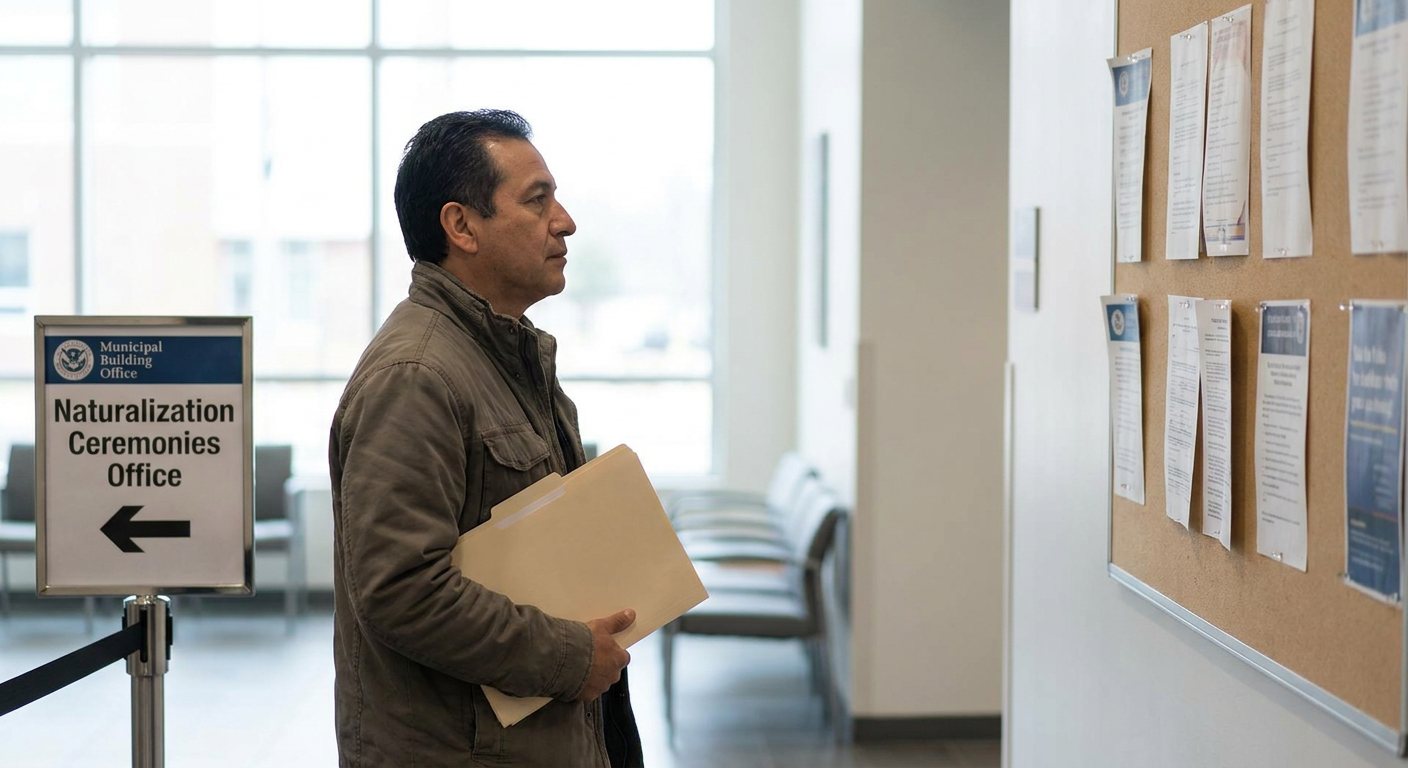
An immigrant’s journey didn't end at the dock. For many, the next major step was becoming a U.S. citizen, a process documented in naturalization records. These papers are an incredibly valuable resource that can often provide the exact information needed to find a difficult-to-locate passenger list.
Naturalization was typically a two-step process, involving a "Declaration of Intention" (or "first papers" and a "Petition for Naturalization" ("second papers"). The Declaration of Intention, filed after arrival, often contains key details provided by the immigrant themselves, including their date of arrival, the port of entry, and the name of the ship they arrived on. This information is a goldmine. If you can find an ancestor's Declaration, you may be able to bypass a tricky name search entirely and go straight to the manifest for that specific ship and date. These federal documents are preserved by the National Archives and are increasingly available online.
7. Explore Records Beyond the Passenger List
Finding the passenger list is a major victory, but it's often not the end of the story. The manifest can point you toward a variety of other valuable historical records that can fill in the details of your ancestor's life both before and after their arrival. The clues found on that single page can unlock decades of family history.
Tracing the Family Overseas
Knowing the specific town of origin from the manifest is your gateway to researching your family's history in their home country. This allows you to search for birth, marriage, and death records in European archives, potentially extending your family tree back for many more generations. Detailed guides on Ellis Island immigration records can provide further context on how these documents connect to other parts of the genealogical puzzle.
Following Their American Journey
Using the "Final Destination" and "U.S. Contact" information from the manifest, you can start tracking their life in America. Search for city directories for the address listed. Explore local newspapers for mentions of their name. Each record adds another layer to their story, transforming them from a name on a list to a person with a life, a community, and a legacy.
Uncovering your family’s Ellis Island story is a foundational part of American genealogy. By gathering information, being flexible with your search terms, and carefully analyzing the records you find, you can connect with your ancestors' journey and preserve their legacy for generations to come.
Frequently Asked Questions