 English
The Phoenix from the Ashes sit at the intersection of practical research and the slower work of family history. Understanding how the phoenix from the ashes fit together gives researchers a clearer way to explore questions about earlier generations. The sections that follow walk through what each one offers and how they complement other approaches to family-history research.

Key Takeaways
- A fire in the Commerce Department building in 1921 resulted in the destruction of about 99% of the 1890 U.S. Federal Population Census schedules.
- A small but crucial portion of the population schedules survived, covering approximately 6,160 to 6,300 individuals in fragments from ten states and Washington, D.C..
- Special schedules enumerating Union veterans of the Civil War and their widows also largely survived, providing a vital resource for military family history.
- Genealogists can bridge the 1880-1900 gap by using substitute records like state censuses, city directories, tax lists, land records, and newspapers.
The Story of a National Loss
What began as a contained fire eventually led to the near-total loss of a national treasure, a uniquely detailed snapshot of the American population at the close of the 19th century.
A Fire in the Capital: The 1921 Blaze
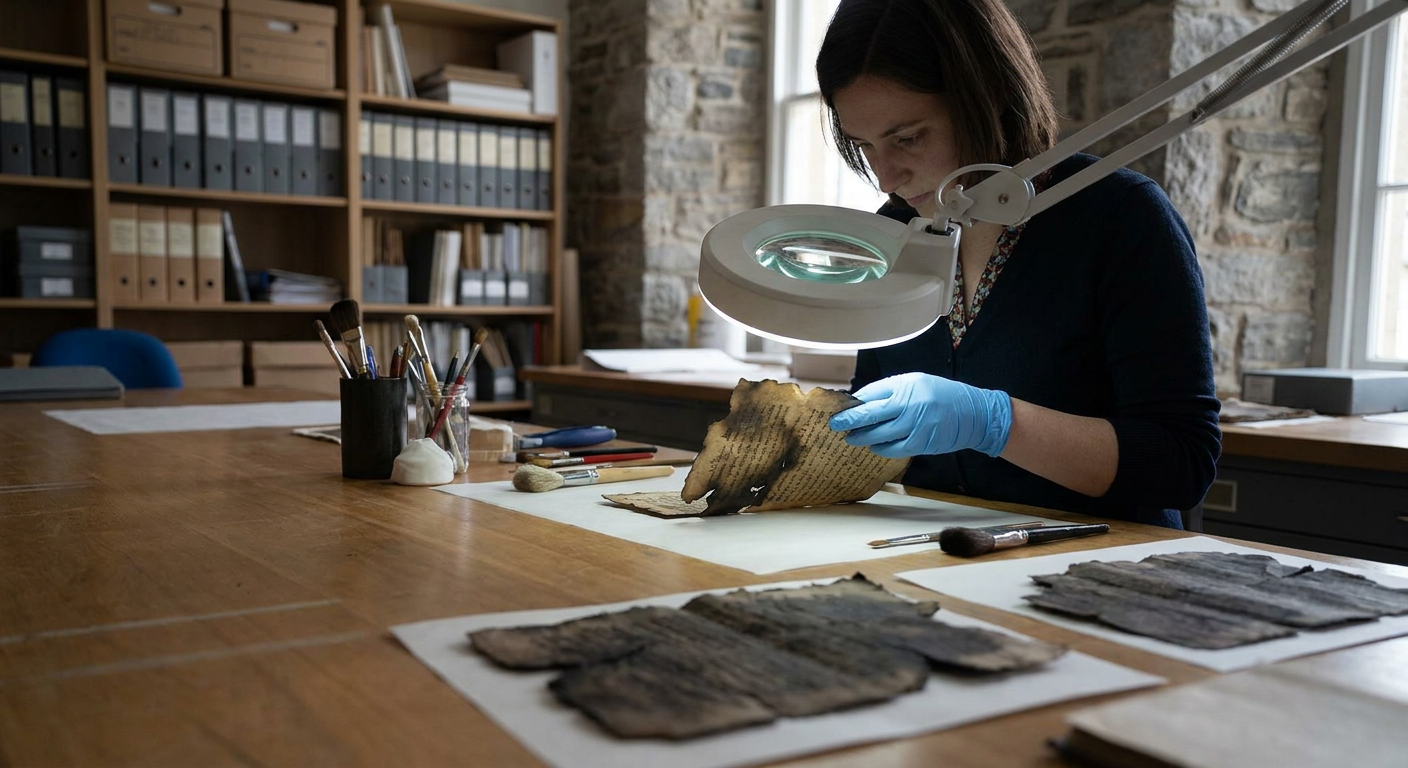
On the evening of January 10, 1921, a fire broke out in the basement of the Commerce Department building in Washington, D.C., where the census schedules were stored. Heaps of charred and water-soaked paper lay in ankle-deep water, the remnants of the meticulously compiled census volumes that had lined wooden shelves.
From Damage to Destruction
The initial fire and water damage were severe, but they did not seal the records' fate entirely. The subsequent handling of the damaged volumes is a point of frustration for genealogists. For years, the soggy, scorched bundles of paper were left to mold and deteriorate.
What Survived the Flames? The 1890 Census Fragments
For the lucky few whose ancestors appear in these pages, they are an invaluable find.
The 6,160 Voices: Pinpointing the Survivors
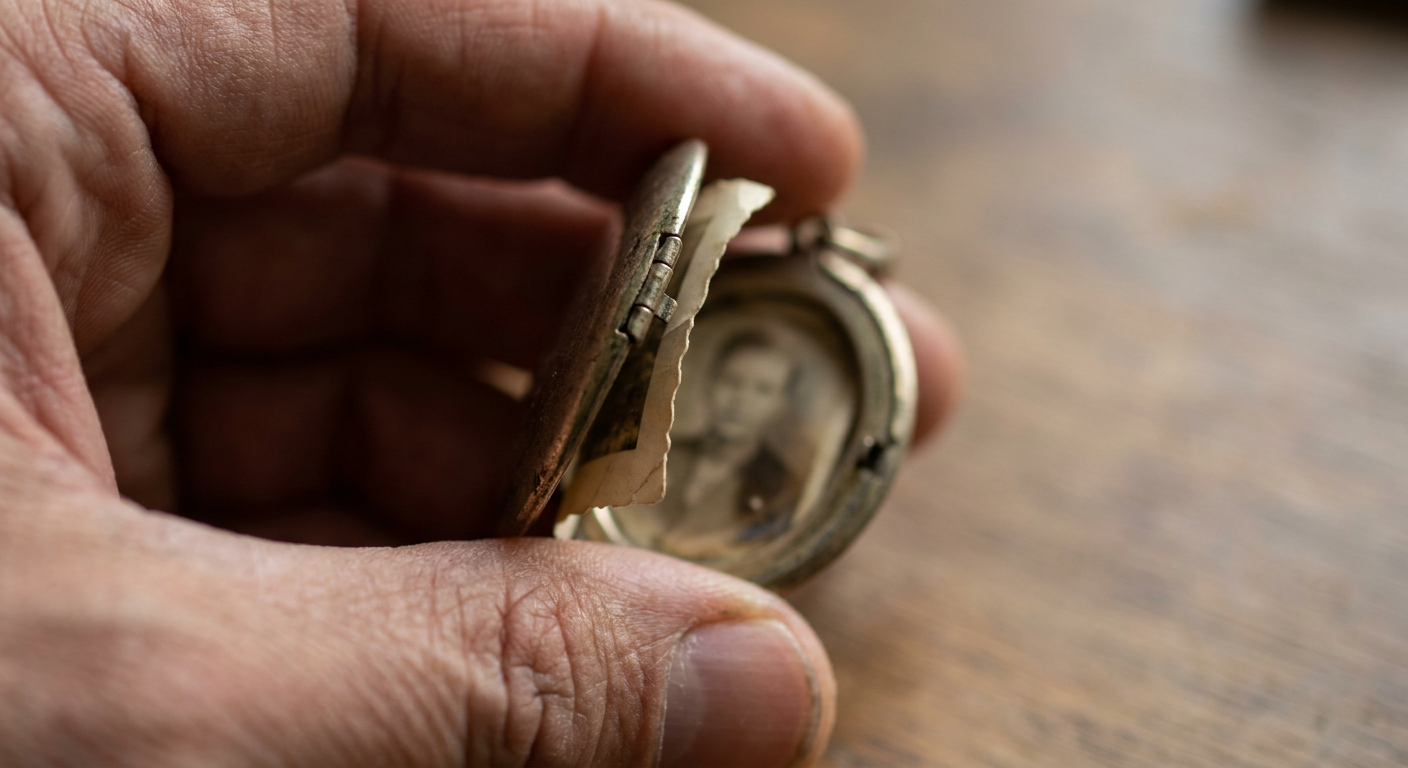
Only 6,160 individuals can be found in what remains of the general population schedules, a testament to the scale of the destruction. These survivors are scattered across fragments from Alabama, Georgia, Illinois, Minnesota, New Jersey, New York, North Carolina, Ohio, South Dakota, Texas, and the District of Columbia. For example, the surviving Illinois fragment covers voters in McDonough County, while the fragment for Perry County, Alabama, is one of the most substantial pieces remaining. These records can often be found through online genealogical databases, which have digitized and indexed these few surviving pages.
Accessing the Fragments Online
Thanks to digitization efforts, researchers no longer need to travel to the National Archives to view these records. Finding a direct ancestor in these records is rare, but it is always worth checking. Even if your direct line isn't present, you may find collateral relatives or neighbors who can provide context about the community where your family lived.
A Treasure for Military Research: The 1890 Veterans' Schedules
These schedules were stored separately from the general population schedules and thus largely escaped the fire's devastation.
Who Was Included in the Veterans' Schedules?
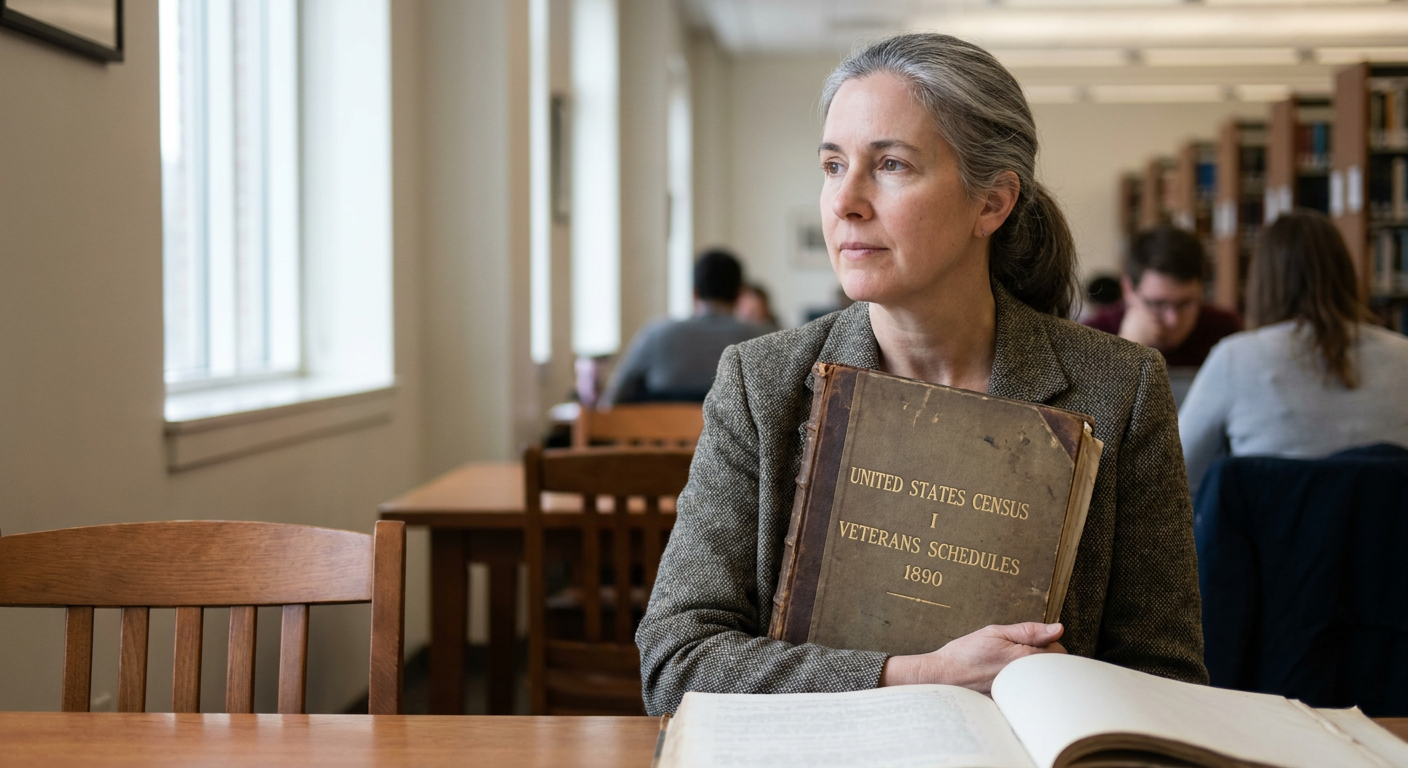
These special schedules were designed to enumerate surviving Union veterans of the Civil War and their widows. While the intent was to count only Union soldiers, enumerators sometimes mistakenly included Confederate veterans as well, making the records even more valuable. It is a crucial resource for anyone with a potential Civil War veteran in their family history from this era.
Information and Coverage of the Schedules
The information captured in these records is a goldmine for genealogists. Each entry can include the veteran’s name, rank, company, regiment, and dates of enlistment and discharge. The schedules also recorded any service-related disabilities, offering both medical and personal insights. The surviving schedules cover states alphabetically from Kentucky through Wyoming, as well as Washington D.C., and the Oklahoma and Indian Territories.
Bridging the Twenty-Year Gap: Essential Substitute Records
For the 99% of researchers whose ancestors do not appear in the surviving fragments, the key is to turn to a wide array of substitute records.
State and Territorial Censuses
Many states and territories conducted their own censuses in the years between federal enumerations. They are a first-rate substitute for the missing federal records.
City Directories and Tax Lists
For urban ancestors, city directories are an essential tool. By tracing an ancestor through a decade of city directories, you can track their movements, career changes, and even see when they first appeared in a city. Similarly, tax lists can place an individual in a specific county and year, providing proof of residency and sometimes detailing personal property.
Land, Court, and Voting Records
Land deeds can confirm residence and show when a family bought or sold property, providing a timeline of their presence in an area. Court records, such as probate files and wills, can offer rich family details, listing heirs and relationships. Voter registration lists are another excellent resource for placing male ancestors in a specific location at a specific time, often noting their address and sometimes even their naturalization status.
Strategies for Reconstructing Your Family's Story
Create a Detailed Timeline
Note their location, household members, and occupation in both years. This framework will highlight the twenty-year period you need to investigate. Your goal is to fill in the years in between using the substitute records mentioned above. A well-organized family tree is the perfect place to construct this timeline, attaching records as you find them.
Think Geographically
Use local resources, such as county historical societies and libraries, which may hold manuscript collections, local newspapers, or church records not available online. Understanding the local geography and history can provide clues about migration patterns, economic opportunities, and community life that shaped your ancestors' decisions.
Leverage Digital Tools and AI
Furthermore, AI-powered features can help you connect the dots, suggesting relevant records and potential relatives. The Census Gap Is Closing as these technologies can analyze handwriting in old documents and automatically find matches across different record collections, helping you build a more complete picture of your family’s life during the Gilded Age.
Frequently Asked Questions
