 English
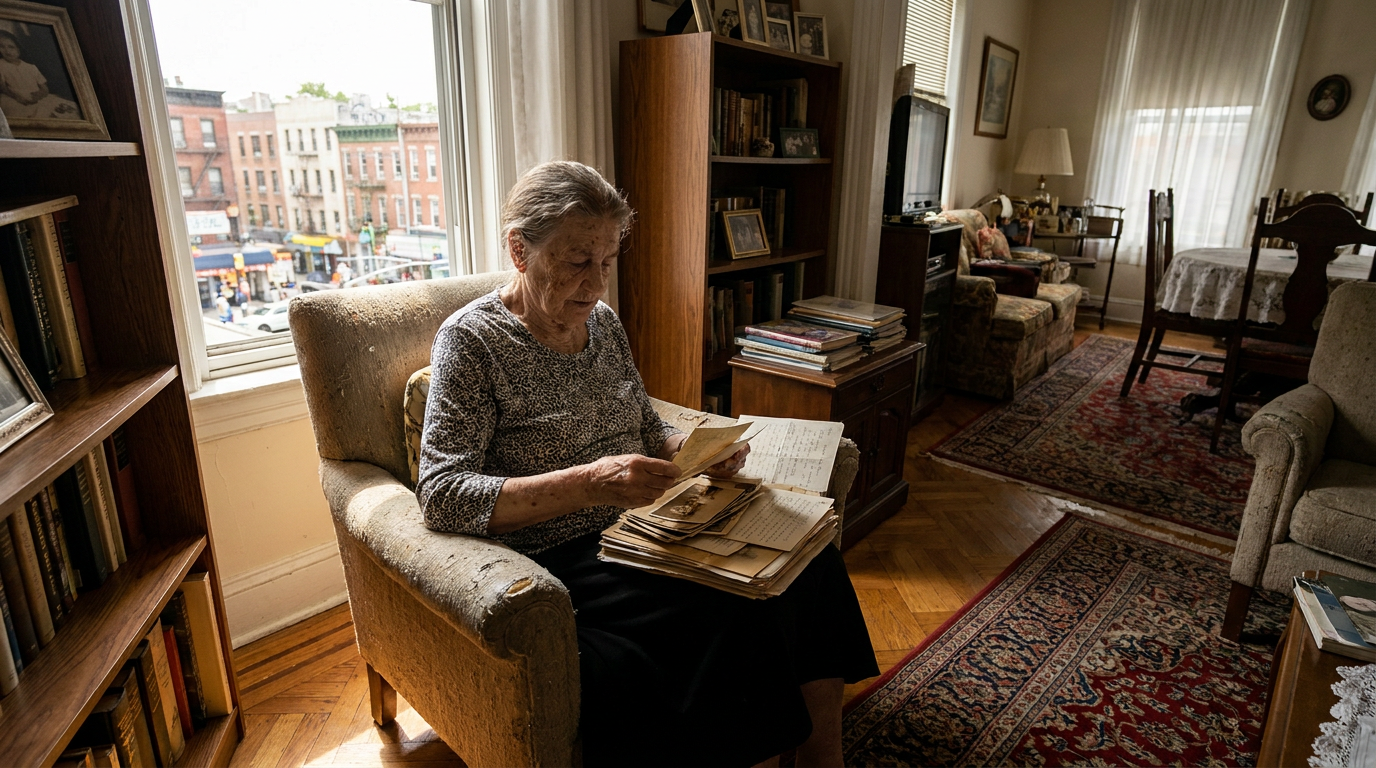
Crossing Borders sit at the intersection of practical research and the slower work of family history. Understanding how crossing borders fit together gives researchers a clearer way to explore questions about earlier generations. The sections that follow walk through what each one offers and how they complement other approaches to family-history research.

Before you can leap across the pond, you must build a solid foundation of research at home. The key is to identify your immigrant ancestor, the last person in your direct line to have been born abroad. Start by interviewing older relatives, who may hold crucial memories or family documents. It’s not enough to know your family came from "Germany" or "Italy"; you need a specific town or parish name to make meaningful progress overseas.
Key Takeaways
- Start at Home: Before searching abroad, exhaust all available domestic records to identify your immigrant ancestor and their specific place of origin (town or parish, not just the country).
- Understand Local Records: Research is most effective when you understand the types of historical records available in your ancestor’s country, such as civil registration, church records, and military files.
- DNA is a Global Compass: DNA testing can connect you with living relatives in your ancestral homeland, providing invaluable local knowledge and breaking through brick walls where paper trails have gone cold.
- Prepare for On-Site Visits: If you plan a heritage trip, contact local archives and historical societies in advance to confirm their hours, access policies, and what records they hold to ensure your research time is productive.
Beginning the Search: From Local Clues to Global Leads
Every successful international search starts with thorough domestic research. The goal is to find the one document that bridges the gap between your country and the old one: the passenger manifest, a naturalization petition, or a hometown mentioned in an obituary. These documents are the Rosetta Stones of your family history, translating a familiar name in a local record into a tangible location on a world map.
Once you have a town or parish name, the next step is to orient yourself. Historical maps and gazetteers are invaluable for this task because borders change, towns are renamed, and jurisdictions are redrawn. A village that was once part of one empire may now be in a different country entirely. Identifying the precise location as it existed when your ancestor lived there is critical for locating the correct archives.
Family stories, while sometimes embellished, should be collected and treated as clues. A story about a great-grandfather who was a shoemaker might lead you to guild records. A family tradition of celebrating a specific saint’s day could point to a particular parish. These fragments of oral history can provide the context needed to make sense of the historical records you find. Even a seemingly minor detail, like a recipe passed down through generations or a lullaby sung in a specific dialect, can offer hints about a region of origin.
Navigating Foreign Archives and Record Types
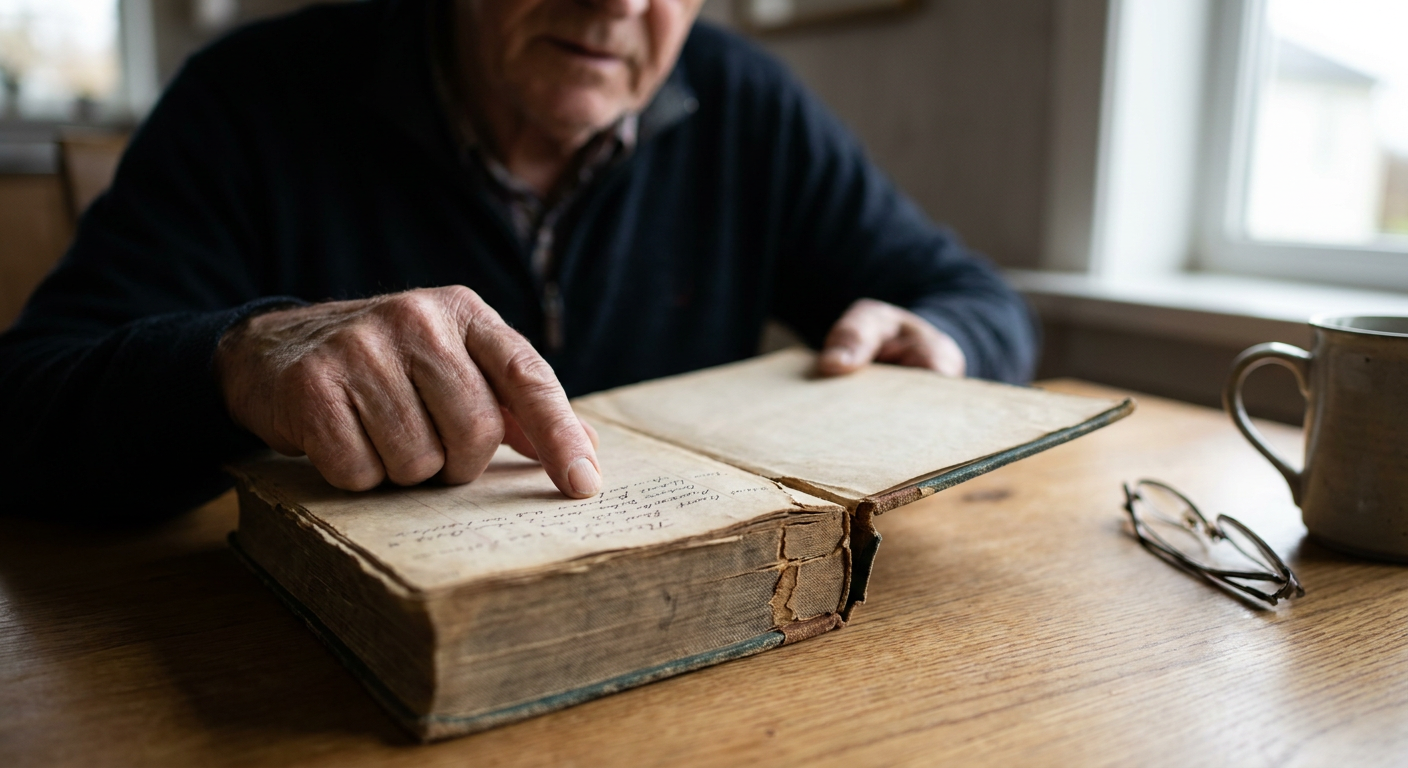
With a specific location identified, you can begin exploring the historical records of that country. Each nation has its own system for keeping records, and understanding these differences is fundamental to your success.
Here are some of the most common record types you will encounter:
Civil Registration
Civil registration refers to government-mandated records of births, marriages, and deaths. In many European countries, these were standardized in the 19th century. In France, for instance, the Paris Archives hold vital records for individuals living in the country after the French Revolution. In Italy, civil registration (Stato Civile) began in 1809 under Napoleon in some regions and was implemented nationwide by 1866. These documents are a primary source for genealogists, as they provide exact dates and the names of parents, which allows you to step back another generation. They are typically held in state or municipal archives.
Church Records
Before the state began keeping records, churches did. Parish registers of baptisms, marriages, and burials are often the only source of information for research prior to the 1800s. These records can extend back for centuries and often contain rich details beyond simple dates. For example, baptismal records may name godparents, who were often close relatives. Marriage records might note if a parent was deceased or provide the couple’s occupations. These records may be housed in a local parish, a diocesan archive, or have been digitized and made available online through platforms that focus on international records.
Military and Emigration Records
Military records can be a treasure trove of information, providing physical descriptions, birthplaces, and details of service. Conscription records are particularly useful in countries like Germany and Sweden. Likewise, emigration records, where they exist, can confirm a person’s intent to leave their homeland. These lists, sometimes called "exit permits," were common in some parts of 19th-century Europe, where authorities wanted to ensure that young men had fulfilled their military obligations before leaving. Port of departure records, such as those from Hamburg or Bremen, can also name an ancestor’s specific village of origin. Immigrant records at the National Archives can further help clarify arrival details and subsequent documentation.
Cemetery Records
Cemetery records and headstone inscriptions can provide names, dates, and family relationships, sometimes for multiple generations in a single plot. Finding these can be challenging, as some cemeteries may have been destroyed in wars or older gravesites reused. When possible, contacting the municipal office or local church that manages a cemetery can yield a wealth of information. In some cultures, headstones include detailed epitaphs or even photographs, offering a final, personal glimpse into an ancestor’s life.
The Role of DNA in Connecting Continents
Sometimes the paper trail runs cold. Records are lost to fire, flood, or war, and brick walls seem insurmountable. This is where DNA testing offers a powerful modern solution.
Receiving your Ethnicity Estimate is just the start. The true value comes from connecting with genetic relatives who may have the missing pieces of your family puzzle. A third cousin living in your ancestral village might have a family Bible with your great-great-grandparents’ names or know the location of the old family farm. These connections turn abstract data into living, breathing family history.
If you have already tested with another service, you can often upload your DNA data to MyHeritage to cast a wider net and discover matches on different platforms. The key is to link your DNA results to a comprehensive family tree. By building out your tree, even with just a few generations, you enable powerful tools that can automatically compare your tree to those of your DNA Matches, highlighting shared surnames and ancestral places.

Overcoming Common International Research Challenges
Venturing into international records presents a unique set of challenges that can intimidate even experienced researchers. Understanding these hurdles and preparing for them can make the process much smoother.
Language Barriers
One of the most immediate obstacles is language. Historical records will be written in the language of the time and place, which may not be the modern language of that country. Latin was the official language of the Roman Catholic Church for centuries, so many older parish registers will be in Latin. German script (Kurrentschrift) or old Cyrillic alphabets can be difficult to decipher even for native speakers. Fortunately, many online resources, including word lists and character guides, can help you translate key genealogical terms like "born," "married," "son of," and "daughter of."
Surname and Place Name Variations
Surnames were not always fixed. They could be spelled phonetically, changed upon immigration, or altered over time. An ancestor named "Kołodziej" in Poland might have become "Kolodjay" or simply "Smith" (a literal translation of "wheelwright" after moving. Place names are equally fluid. As borders shifted, a town could have a German name, a Polish name, and a Russian name at different points in history. Using historical gazetteers and maps is essential to track these changes and ensure you are looking in the right place. To find more about how your family name might have evolved, you can explore surname origins to see common geographical patterns.
Planning a Heritage Trip: Tips for On-the-Ground Research
A trip to an ancestral homeland is a profound experience for any family historian. Walking the same streets, visiting the local church, and standing in the fields where your family once lived connects you to your past in a tangible way. To make the most of a heritage trip, preparation is key.
Before you book your flight, do your homework. Contact the archives, libraries, and historical societies you plan to visit. Many smaller European archives, like the East London Family History Society, have specific hours and areas of focus. Check if they have any access restrictions or require letters of introduction. The MyHeritage accessibility page provides information that can be helpful in planning visits to various institutions.
Know what records you are looking for and what questions you hope to answer. Organize your findings and have digital or physical copies of key documents with you. If you don't speak the language, consider hiring a local genealogist or translator to assist you for a day. They can navigate linguistic barriers and are often intimately familiar with local record-keeping practices. Your family's story goes global when you begin to integrate these overseas findings back into your home research.
Finally, be open to discovery. While your goal may be to find a specific baptismal record, the most memorable part of your trip might be an unexpected conversation with a local resident or the discovery of a relative’s name on a town war memorial. These spontaneous moments are what make heritage travel so rewarding. Take time to soak in the culture, taste the local food, and experience the place as it is today, not just as a repository of the past.
Conclusion
Tracing your family history to another country is a journey of discovery that bridges generations and continents. The path to your ancestors is an adventure that combines historical detective work with a deeply personal quest for identity. Whether through dusty archives or the cutting-edge science of DNA, the story of your family is waiting to be explored.
Frequently Asked Questions
