English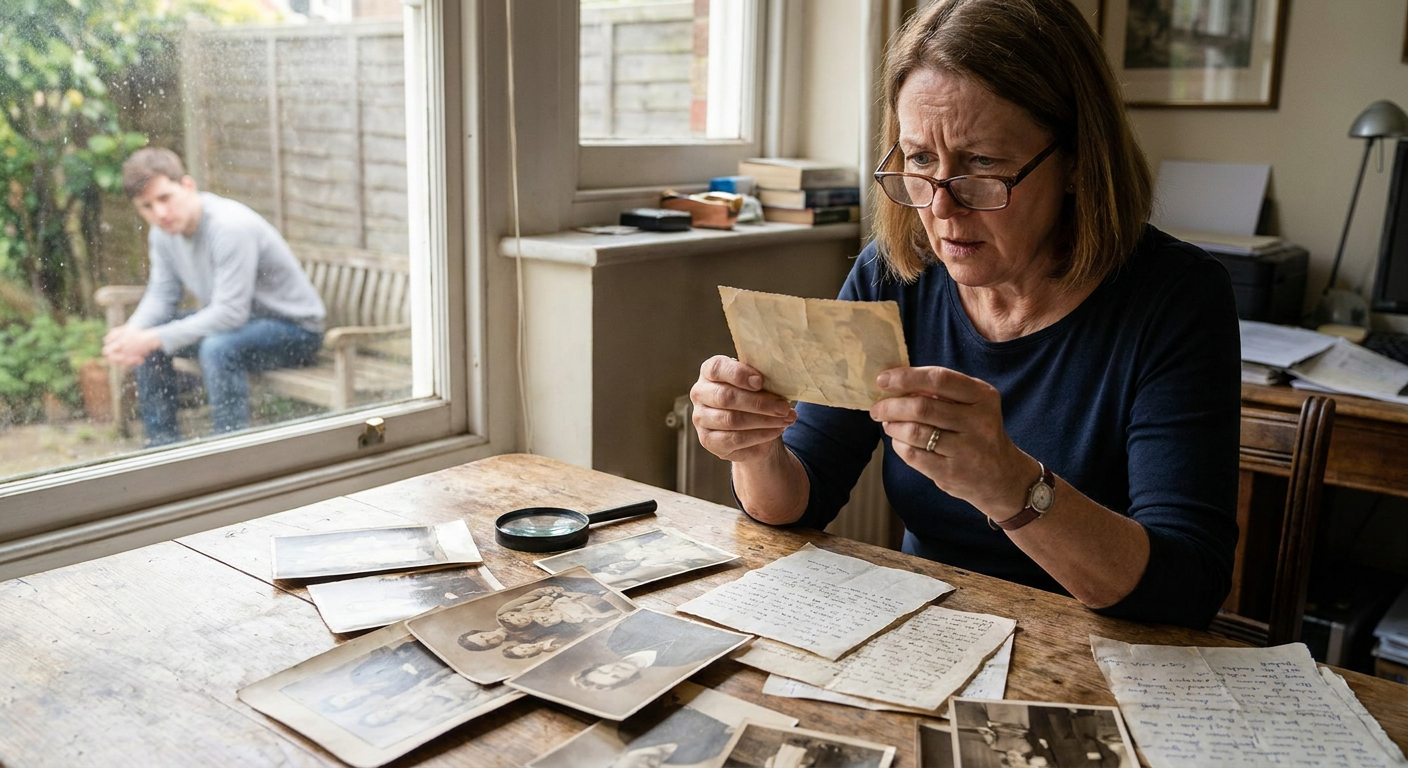
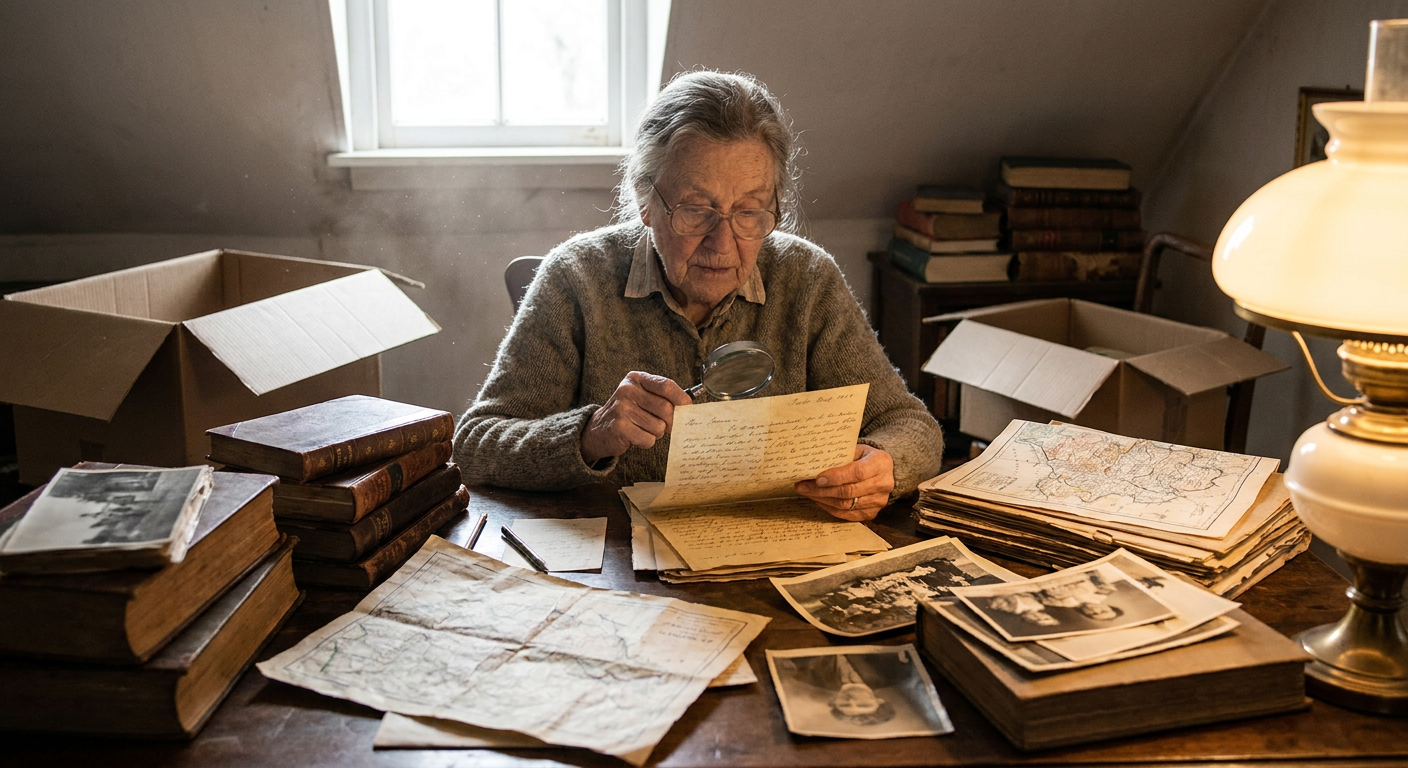
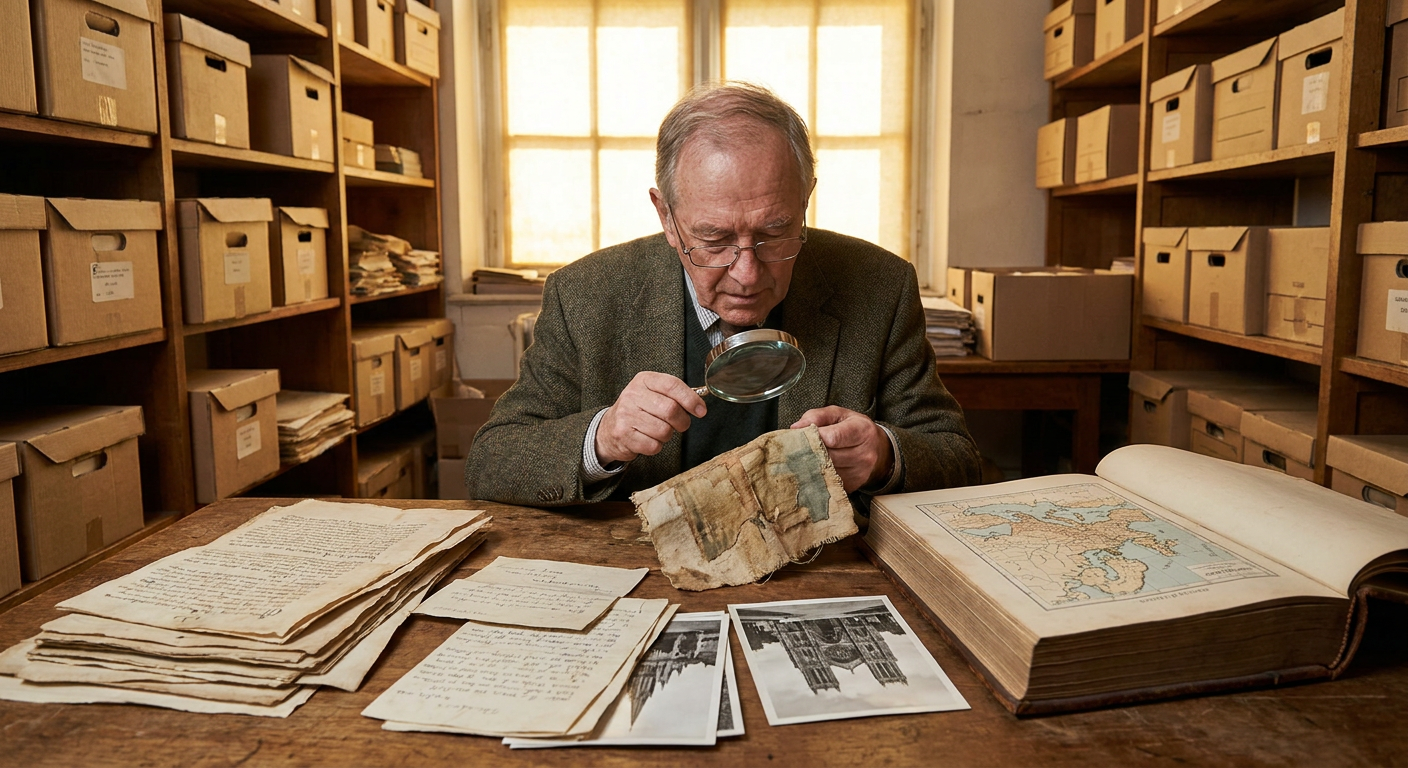
It’s a familiar experience for anyone who has delved into their family history: holding a faded photograph of an ancestor. You stare into the eyes of a great-grandparent or a distant cousin, a person captured in monochrome stillness since the dawn of popular photography in the mid-19th century. They are formal, posed, and separated from you by a vast expanse of time. You try to imagine them in motion, to hear their voice, to picture them as a living, breathing person.

For generations, that act of imagination was as close as we could get. Today, technology offers something more, something startlingly real. What happens when that face from a century ago suddenly turns to look at you, smiles gently, or blinks?
This leap across time is made possible by powerful AI photo animation technology. It takes a static portrait and, through complex algorithms, brings it to life with subtle, realistic facial movements. The effect is often deeply emotional, transforming a historical artifact into a moment of connection. Seeing an ancestor move for the first time can feel like a brief, impossible meeting, a ghost of a gesture that makes the past feel powerfully present.
Key Takeaways
- AI-powered photo animation can create a profound emotional connection to the past by adding lifelike motion to old family portraits.
- The most effective animations start with a high-quality digital image. This often involves scanning, repairing, enhancing, and colorizing the original photograph before applying animation.
- The animation process itself is typically straightforward, allowing users to upload a photo and apply animation with just a few clicks on a modern genealogy platform.
- Using these animations as a springboard for further genealogical research can enrich a family tree and bring an ancestor's story to life.
From Still Image to Living Memory: Understanding Photo Animation
Photo animation is a feature that uses artificial intelligence to apply movement to the faces in static photographs. The technology analyzes the facial geography of a portrait and intelligently applies a pre-recorded sequence of movements, known as a driver, to the image. This creates a short, high-quality video file of the person in the photo appearing to move their head, change their expression, and even smile. It’s a sophisticated process designed to produce natural, realistic motion that captures the essence of the person pictured.
The development of these features represents a significant step forward in how we interact with our family history. AI is increasingly being used throughout the field of genealogy to lower barriers and create more engaging ways to connect with the past. By animating a photo, you are not altering the historical record but creating a new way to experience it, fostering a connection that was previously impossible. This technology can turn a flat image into what feels like a living memory, a brief window into a moment long gone.
The Uncanny Power of a Familiar Gaze
The emotional response to seeing an animated ancestor is often one of surprise and deep connection. That subtle blink or gentle turn of the head collapses the decades, making a historical figure feel immediate and familiar. For many, this experience is the spark that ignites a deeper passion for family history, transforming genealogy from a hunt for names and dates into a quest to know the people behind them.
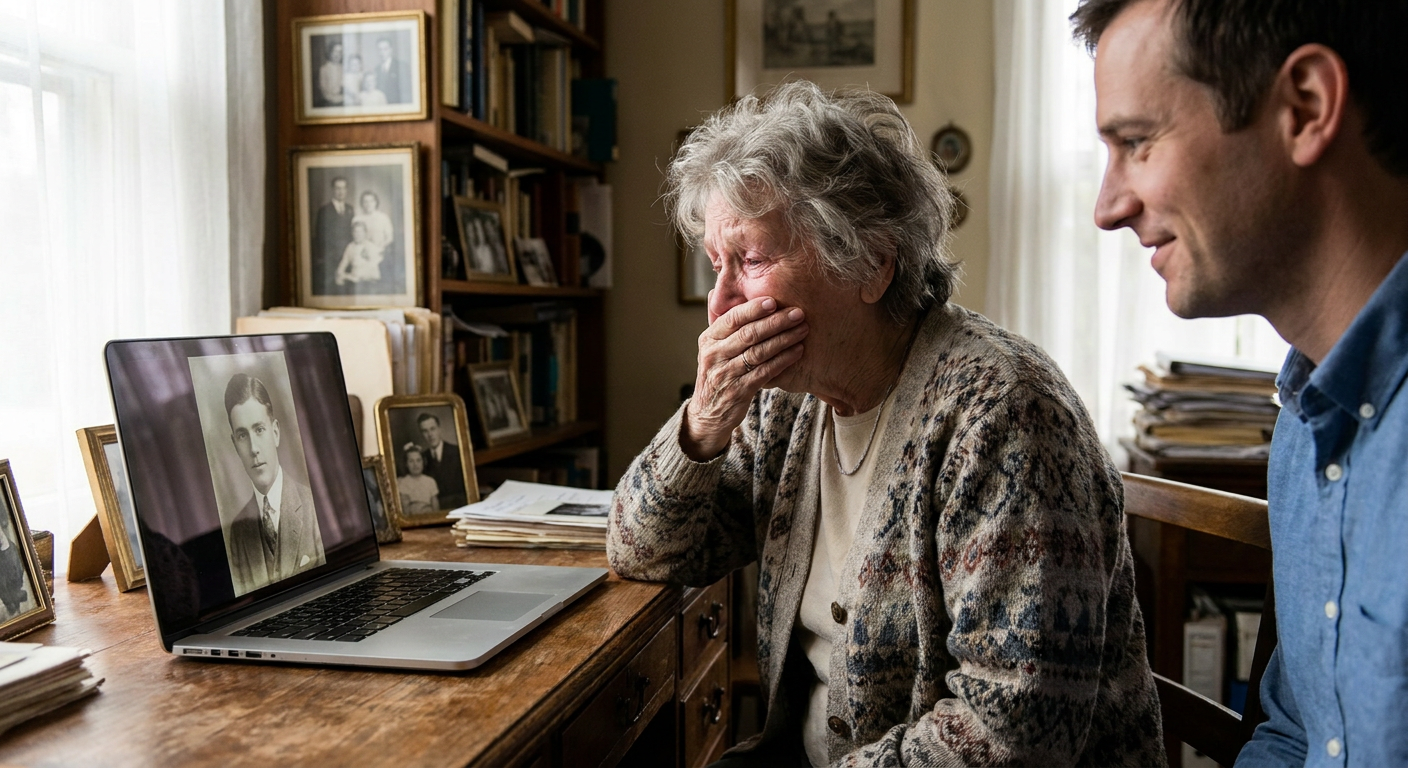
This technology makes ancestors feel more like knowable individuals. Suddenly, a great-grandmother is no longer a stern-looking woman in a sepia photograph but a person with a familiar smile.
Of course, the idea of an AI bringing a likeness of a deceased person to life raises valid questions. The uncanny nature of the technology is part of its power, but it also opens up a necessary conversation about ethics and representation. It is crucial to approach these features with respect for the person in the photograph, a topic that demands careful consideration.
A Practical Guide: How to Animate Your Family Photos
Animating your own family photos is a straightforward process. Following a few preparatory steps can ensure you get the most lifelike and moving results. This guide will walk you through the best practices for turning your still portraits into living memories.
1. Select the Right Photograph
The quality of the animation depends heavily on the source image. For best results, choose a photograph where the subject is facing forward, the facial features are clear and in focus, and there is only one person in the picture. Photos where the face is obscured, turned in profile, or very small in a large group will be more difficult for the AI to animate effectively. Early photography was a complex and often fragile medium, and many surviving family portraits may not be perfectly clear.
2. Prepare Your Image for Animation
Before applying animation, a few steps to improve the quality of the base image can make a dramatic difference. Most leading genealogy platforms that offer animation also provide integrated features for photo preparation.
- Scan Your Photo Properly: If you have a physical print, scan it at a high resolution, at least 300 DPI (dots per inch), to create a detailed digital file.
- Repair Damage: Old photos often suffer from creases, tears, scratches, and fading. Use a photo repair feature to digitally mend this damage and create a clean slate.
- Enhance and Colorize: Before animating, use photo enhancement to sharpen focus and bring out fine details. If the photo is black-and-white, applying AI colorization first can result in a strikingly vibrant and realistic animation.
3. Upload and Animate
Once your photo is prepared, the final step is simple. On a comprehensive genealogy website like MyHeritage, you typically just need to upload your enhanced image to your family site. From there, you can select the animation option. The AI analyzes the photo and applies the driver video, a process that usually takes less than a minute. You are then presented with a short video of your ancestor looking back at you.
4. Share and Discover
The final video clip is easy to download and share with family members via email, social media, or messaging apps. Sharing these moments often jogs memories and starts conversations among relatives that can lead to new family stories and information coming to light.
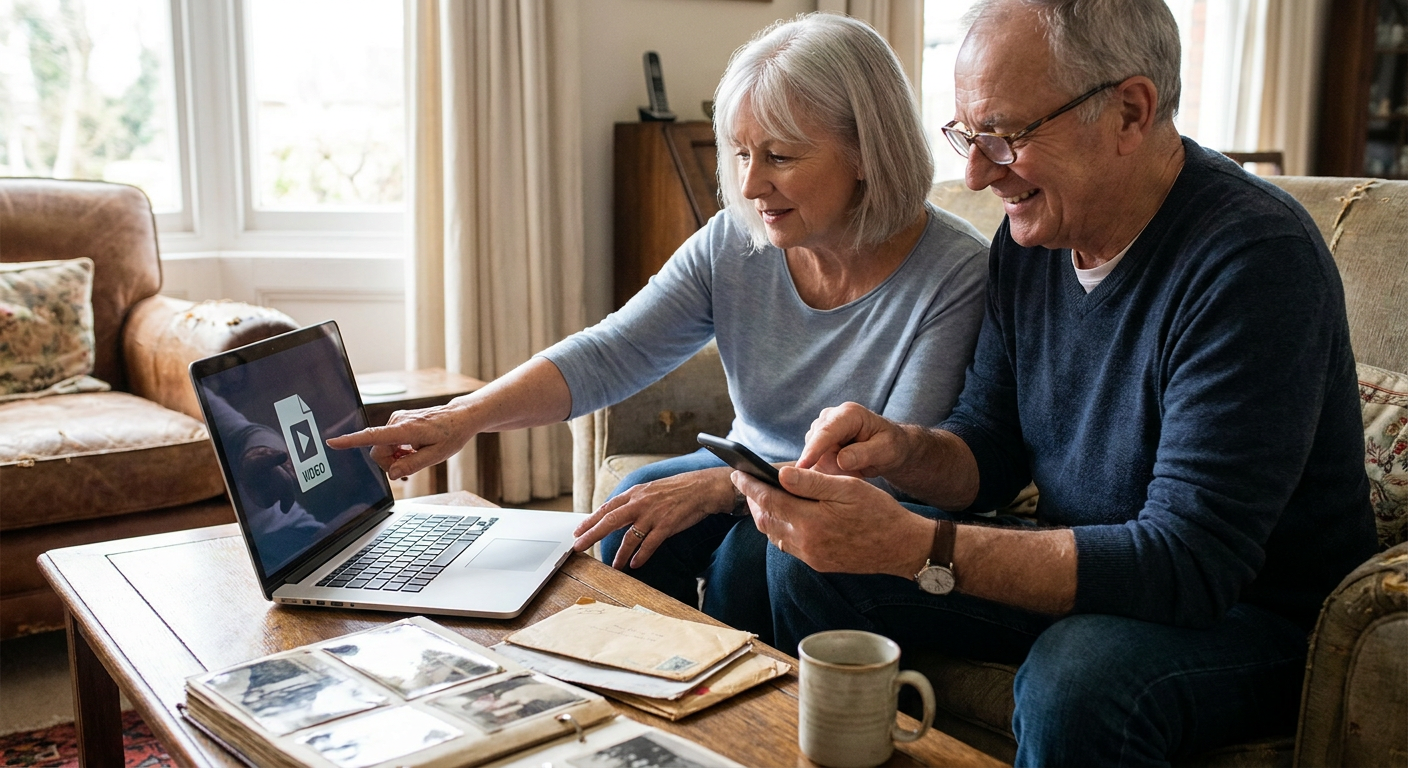
Beyond the Blink: Combining Animation with Genealogical Research
Use the powerful sense of connection as fuel to learn more about the person blinking back at you. Who were they? What was their life like? An animated photo can serve as a potent motivator, inspiring you to dig deeper into the historical records that tell their story.
Start by build a family tree, or adding to your existing one. An animated portrait makes a wonderful profile picture for an ancestor, bringing your entire tree to life. The ongoing digitization of historical document collections constantly opens new doors for discovery.
Seeing a shared family resemblance in an animated photo can also be a powerful experience. That familiar tilt of the head or specific smile you recognize from your own family might be a visual clue to a genetic connection. You can explore these connections further through methods like autosomal DNA testing, which can confirm relationships and uncover new relatives by analyzing your shared genetic makeup.
The Ethics of Reanimation
As with any powerful new technology, it is important to consider the ethical dimensions of AI-powered photo animation. The goal of these features is to honor and remember our ancestors in a new way. The animations are not "deepfakes"; they do not make the person say or do anything. Instead, they use a standard set of subtle, humanizing gestures often found in natural history films.
Reputable platforms do not permit the animation of photos of living people without their permission, and the focus remains squarely on historical discovery. The conversation around AI and its role in our lives is ongoing, and that includes its application in family history. Exploring the ethical questions of how we represent those who came before us is a healthy and necessary part of embracing these incredible new capabilities.
Ultimately, animating a family photograph is a personal experience. For thousands, that moment when a faded image blinks to life has provided a completely new perspective on their family’s past. It transforms a distant ancestor into a relatable person, reminding us that behind every name on a chart was a life lived, full of moments big and small. That small, animated gesture can reignite curiosity and helps ensure their story is not forgotten.
Frequently Asked Questions