English
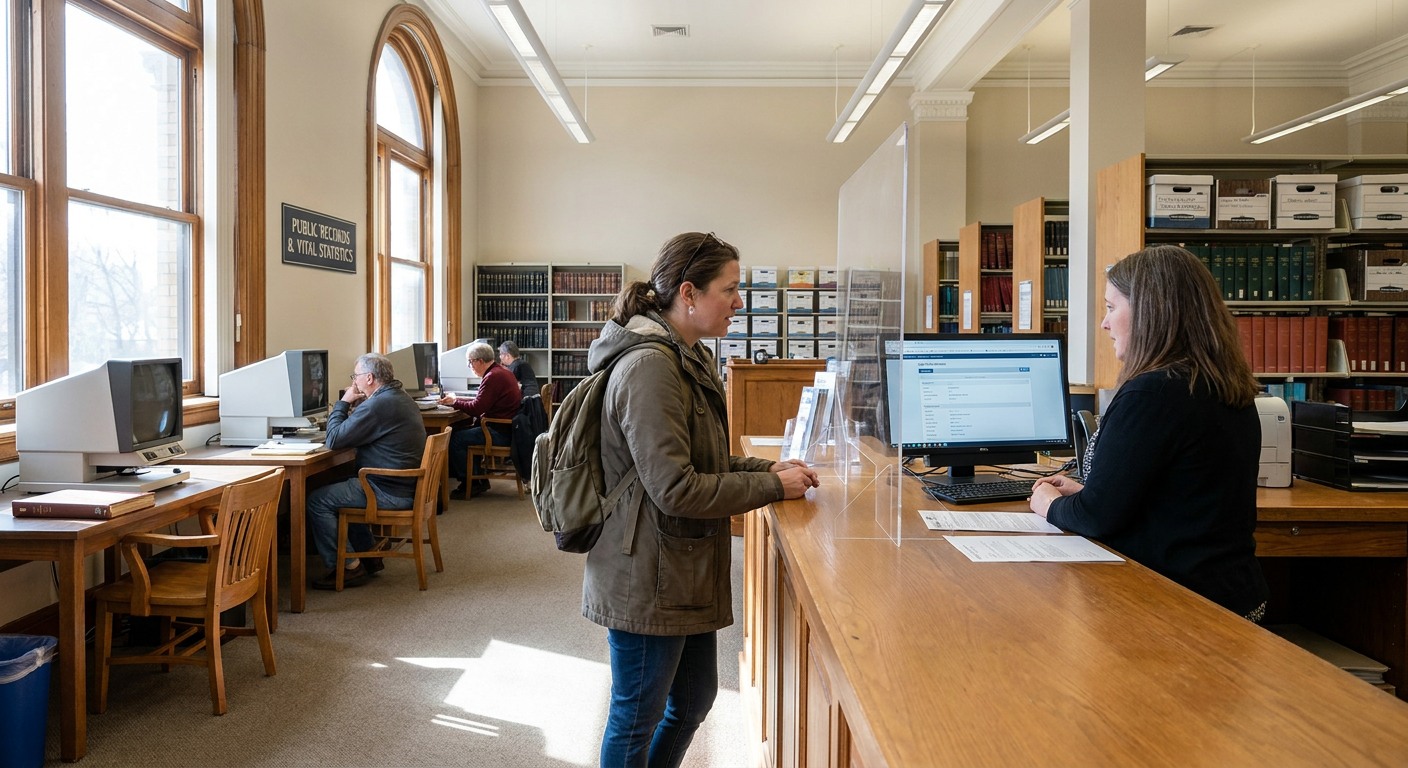
Your Ancestor Became a Citizen. Finding the Record Is Your Next Discovery sit at the intersection of practical research and the slower work of family history. Understanding how your ancestor became a citizen. finding the record is your next discovery fit together gives researchers a clearer way to explore questions about earlier generations. The sections that follow walk through what each one offers and how they complement other approaches to family-history research.

Successfully tracing naturalization records hinges on knowing when your ancestor likely went through the process. The watershed moment in U.S. naturalization history is September 27, 1906. Before this date, the process was largely unregulated, with any court, from local municipal courts to federal district courts, empowered to grant citizenship. After this date, the system was standardized under federal oversight, creating a more centralized paper trail.
Key Takeaways
- The most important factor in finding naturalization records is determining whether your ancestor was naturalized before or after September 27, 1906, as this dictates where the records are likely held.
- Records from before September 1906 are typically located in local, state, or county courts where the ancestor lived and are often harder to find, sometimes requiring on-the-ground archival research.
- Records created after September 1906 are federal records, and duplicates are generally held by the U.S. Citizenship and Immigration Services (USCIS) or the National Archives and Records Administration (NARA).
- Begin your search by gathering essential information from other sources like census records, which often state a person's citizenship status and year of immigration, providing a timeline for your search.
Step 1: Gather Clues from Other Historical Records
Before you can find a naturalization record, you need to build a profile of your immigrant ancestor. You can’t search for a document without knowing the who, when, and where. The more details you have, the easier it will be to distinguish your ancestor from others with similar names. Start by examining documents you may already have or can easily access online.
- U.S. Census Records: The census is often the first place to look. Starting in the late 19th and early 20th centuries, the U.S. Federal Census began asking questions about immigration and citizenship. The 1900, 1910, 1920, 1930, and 1940 censuses are particularly useful. Look for columns indicating the year of immigration and naturalization status, often abbreviated as "Na" (Naturalized), "Pa" (Papers Submitted, meaning the first step was taken), or "Al" (Alien). This tells you if they completed the process and provides an approximate timeframe.
- Passenger Lists: Ship manifests can provide the original name, age, and country of origin, all essential details for confirming you have the right person. Details from passenger lists can be cross-referenced with information on the naturalization petition.
- Vital Records: Birth, marriage, and death certificates for the ancestor or their children might contain notes about their birthplace or citizenship. A death certificate, for example, may state "U.S. Citizen," confirming that a naturalization took place.
- Family Papers: Don’t overlook home sources. Diaries, letters, military discharge papers, or family Bibles might mention the timing and location of a naturalization ceremony. Your relatives might even have the original Certificate of Naturalization stored away.

Step 2: Determine the Time Period of Naturalization
The federal government standardized the process on this date. Previously, naturalization was a local affair with inconsistent record-keeping.
Searching for Pre-1906 Naturalization Records
Any court of record (municipal, county, state, or federal) could grant citizenship, and each had its own procedures and record formats. This means the records could be stored in a variety of places.
- Identify the Court: Start your search in the county where your ancestor lived for at least five years, as this was a common residency requirement. Most pre-1906 naturalizations happened in local county courts. Check city directories and census records to pinpoint their location.
- Contact the County Clerk: The clerk of the court for that county is the first point of contact. They can tell you if they still hold historical naturalization records or where they were transferred. Some records may be on microfilm, while others are still in their original bound ledgers.
- Check State Archives and Historical Societies: If the county court no longer has the records, they may have been moved to the state archives or a regional historical society. Many states have created centralized indexes for their early naturalization records.
- Search Online Databases: A growing number of pre-1906 records have been digitized and indexed. You can search historical records to see what is available for the location you are researching. These databases can save you from having to visit an archive in person.
Searching for Post-1906 Naturalization Records
Finding records after this date is often more straightforward.
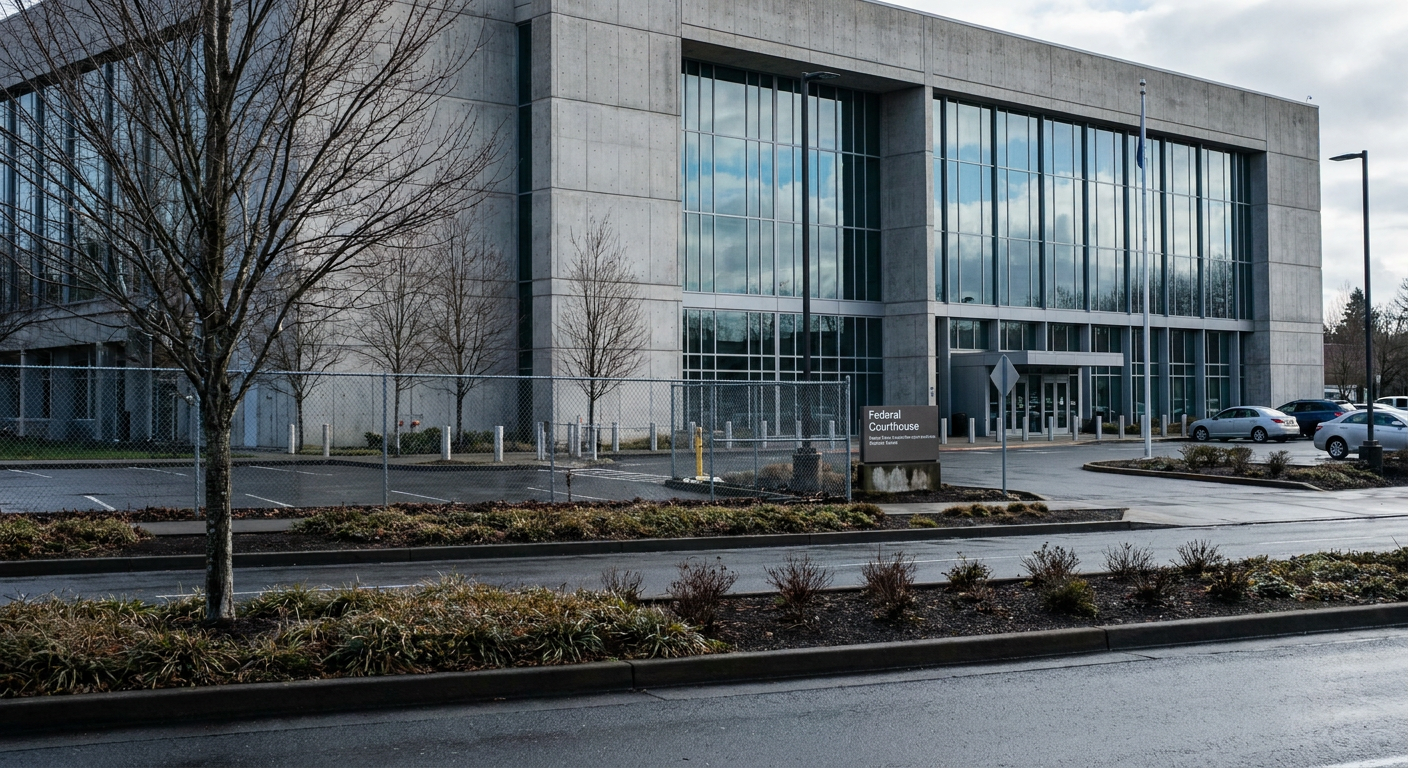
- Start with Federal Records: Naturalizations after this date primarily occurred in U.S. District or Circuit courts. The original records, including the Declaration of Intention and Petition for Naturalization, are typically held by the National Archives and Records Administration (NARA) regional branch that serves the state where the federal court was located.
- Request Records from USCIS: The U.S. Citizenship and Immigration Services (USCIS), the successor to the agency created in 1906, holds the duplicate copies, known as C-Files (Certificate Files). A C-File contains a copy of every document related to an individual's naturalization. You can request a search of their records through the USCIS Genealogy Program for naturalizations that occurred between September 27, 1906, and April 1, 1956. While this is a fee-based service, it is often the most comprehensive way to get all the records at once.
- Use Online Indexes: Before paying for a search, start by searching online indexes for federal naturalization records. An index entry will often provide the name of the court, the date of naturalization, and the petition or certificate number. This information is crucial for requesting the full record from NARA or USCIS efficiently.
Step 3: Understanding the Three-Part Naturalization Papers
For much of U.S. history, naturalization was a multi-step process that generated several documents. Finding one often leads to the others. Knowing what they are can help focus your search.
- Declaration of Intention: Often called "first papers," this document was typically filed shortly after an immigrant arrived, though they could file it at any time. It stated their intent to become a citizen and renounce their former country. Pre-1906 Declarations are often sparse, but post-1906 versions are genealogically rich, containing the applicant's name, address, occupation, physical description, birthplace, birth date, nationality, last foreign residence, and details of their arrival in the U.S. (vessel name, port of entry, date of arrival).
- Petition for Naturalization: Filed at least two years after the Declaration and after five years of residency in the U.S., the "second papers" or "final papers" were a formal application for citizenship. After 1906, these petitions became the most detailed document in the process. They include all the information from the Declaration plus the names, birth dates, and current residences of the applicant's spouse and all children. The petition also names two witnesses who could attest to the applicant's residency and moral character.
- Certificate of Naturalization: This was the final document issued by the court, granting citizenship. A copy of the petition was often attached. The court retained the petition itself, and the new citizen received the certificate to serve as their official proof of citizenship. It is rare to find original certificates in court archives, as they were given to the individual. You are more likely to find the court's copy, known as the Certificate Stub, which contains a summary of the key information.
Common Challenges and Solutions
Even with a clear plan, searching for naturalization records can present obstacles. Here are some common issues and how to approach them.
Name Changes and Spelling Variations
An immigrant’s name was often recorded phonetically by court clerks, leading to numerous spelling variations. Furthermore, many immigrants Americanized their names, either formally as part of the naturalization process or informally over time. When searching, try every possible spelling you can think of. Use wildcard searches if the database supports them, and search for the first name without a last name if it is unusual.
Finding the Right Location
Immigrants were often mobile, and they didn’t always naturalize in the same place they first settled. A person might file their Declaration of Intention in one state (e.g., New York, shortly after arrival) and then file their Petition years later in another state after moving for work (e.g., Pennsylvania or Ohio).
Records Lost to Fire or Neglect
Unfortunately, many historical records have been lost over the years due to courthouse fires, floods, or simple neglect, particularly at the local level. If a county’s records are known to be destroyed, don't give up. Check to see if your ancestor naturalized in a nearby federal court instead, as those records are more likely to have survived.
Finding an ancestor’s naturalization record can feel like a monumental discovery. It provides a direct link to their immigrant roots, capturing the moment they formally began a new life. By following a methodical approach based on the time period and location, and by persevering through common challenges, you can successfully navigate the archives and uncover these priceless documents that chronicle their path to citizenship.FAQ
-
question: What if I don't know my ancestor's date of naturalization? answer: Start by looking at U.S. Census records from 1900, 1910, 1920, 1930, or 1940. These often state if a person was naturalized ("Na"), an alien ("Al"), or had filed first papers ("Pa"), giving you a starting point for the time period.
-
question: Where are naturalization records from before 1906 kept? answer: Before September 27, 1906, any court of record could handle naturalizations. The records are most often found in local county courts, but may have been transferred to state archives or regional branches of the National Archives (NARA).
-
question: What is the difference between a Declaration of Intention and a Petition? answer: A Declaration of Intention ("first papers" was the initial document an immigrant filed to state their intent to become a citizen. The Petition ("second papers" was filed at least two years later as the formal application for citizenship.
-
question: Are naturalization records available online? answer: Yes, many naturalization records, especially indexes, are available online through genealogy websites and government archives. MyHeritage has a large collection of U.S. naturalization and citizenship records you can search.
-
question: Can I get a copy of my ancestor's naturalization certificate? answer: If the naturalization happened after September 27, 1906, you can request a copy of the complete file (C-File) from the U.S. Citizenship and Immigration Services (USCIS) Genealogy Program.
Frequently Asked Questions