English
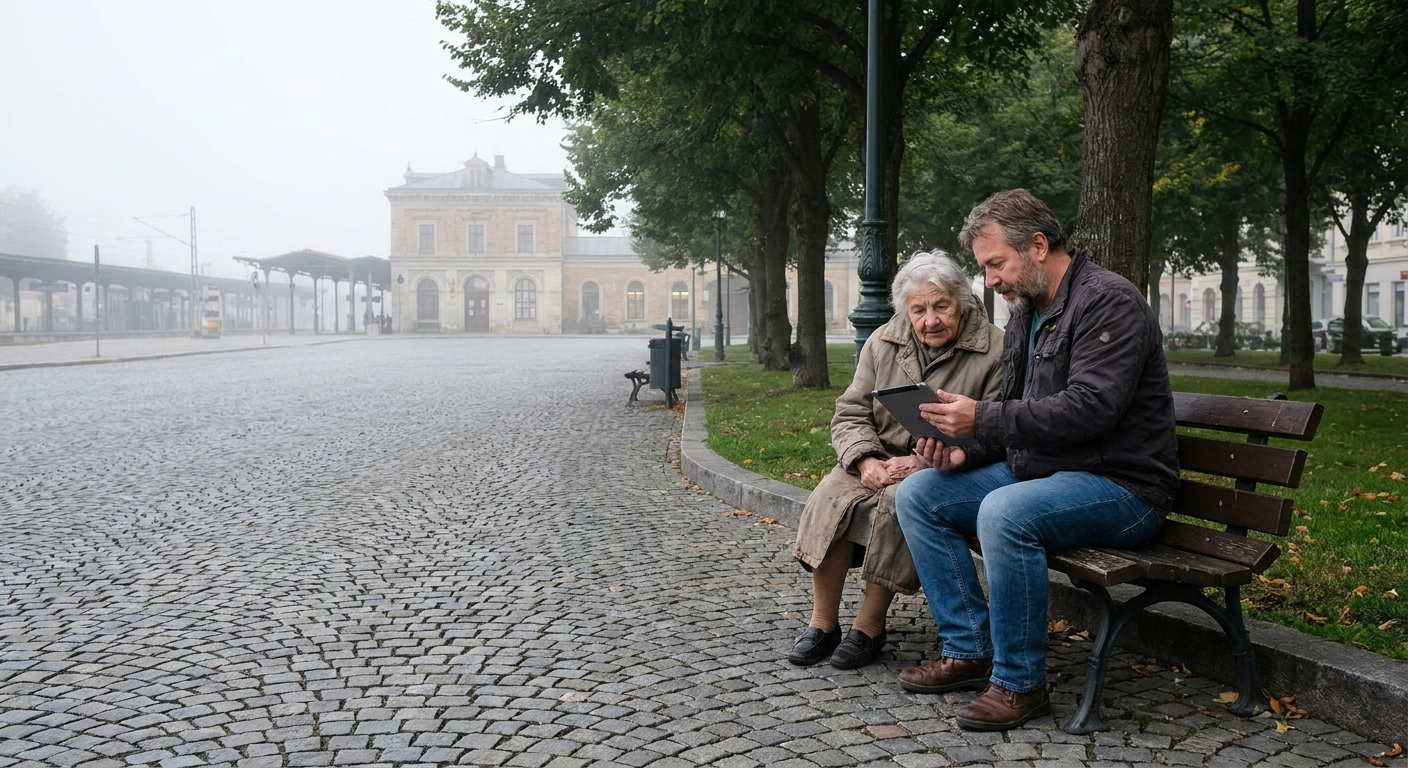
For decades, the Holocaust has cast a long shadow, not just in memory but in the very structure of families. The systematic destruction of European Jewry and other targeted groups also obliterated the records that connect one generation to the next. Town archives were burned, communities were erased, and families were scattered across continents, leaving behind a profound silence where a family history should be. For survivors who endured unspeakable horrors, the end of the war often meant the beginning of a lonely search for family in a world turned upside down.

For their descendants, it meant growing up with missing branches on the family tree and a history punctuated by unanswered questions. But today, more than eighty years later, science is providing a new key to unlock these lost connections, and consumer DNA testing is at the forefront of this remarkable chapter in family history.
Key Takeaways
- For families impacted by the Holocaust, DNA testing can bridge gaps in the family tree left by missing or destroyed historical documents.
- Specialized initiatives exist to provide DNA kits and genealogical support to Holocaust survivors and their direct descendants, often for free.
- Successfully finding family requires a combination of DNA evidence, building a basic family tree, and leveraging any available historical records.
- While the emotional journey can be complex, these reunions are helping to reclaim lost identities and provide long-sought answers for families.
The Unprecedented Challenge of Post-Holocaust Genealogy
The scale of the Holocaust presents a unique and heartbreaking challenge for genealogists. Surnames were changed, ancestral towns were wiped off the map, and the paper trail that family historians rely on was often destroyed. This wasn't just accidental loss in the chaos of war; it was a systematic effort to unmake a people, including their documented history.
This left families scattered across continents, with a profound silence where a family history should be. For survivors and their descendants, this situation created monumental obstacles. Children were often hidden, their true identities kept secret and sometimes lost forever. Many survivors were the sole members of their families to make it out alive.
After the war, they found themselves in Displaced Persons camps, trying to trace relatives with nothing but a name and a fading memory of a hometown. This reality has left countless descendants with a fragmented sense of self and a family tree with branches that stop abruptly.
A New Hope: How DNA Testing Changes Everything
Where paper trails end, our own biology can continue the story. The autosomal DNA testing has created a revolutionary new pathway for family discovery. For the children and grandchildren of Holocaust survivors, this technology is nothing short of a miracle. It bypasses the need for a surname or a specific town of origin; it relies only on the shared genetic heritage passed down through generations.
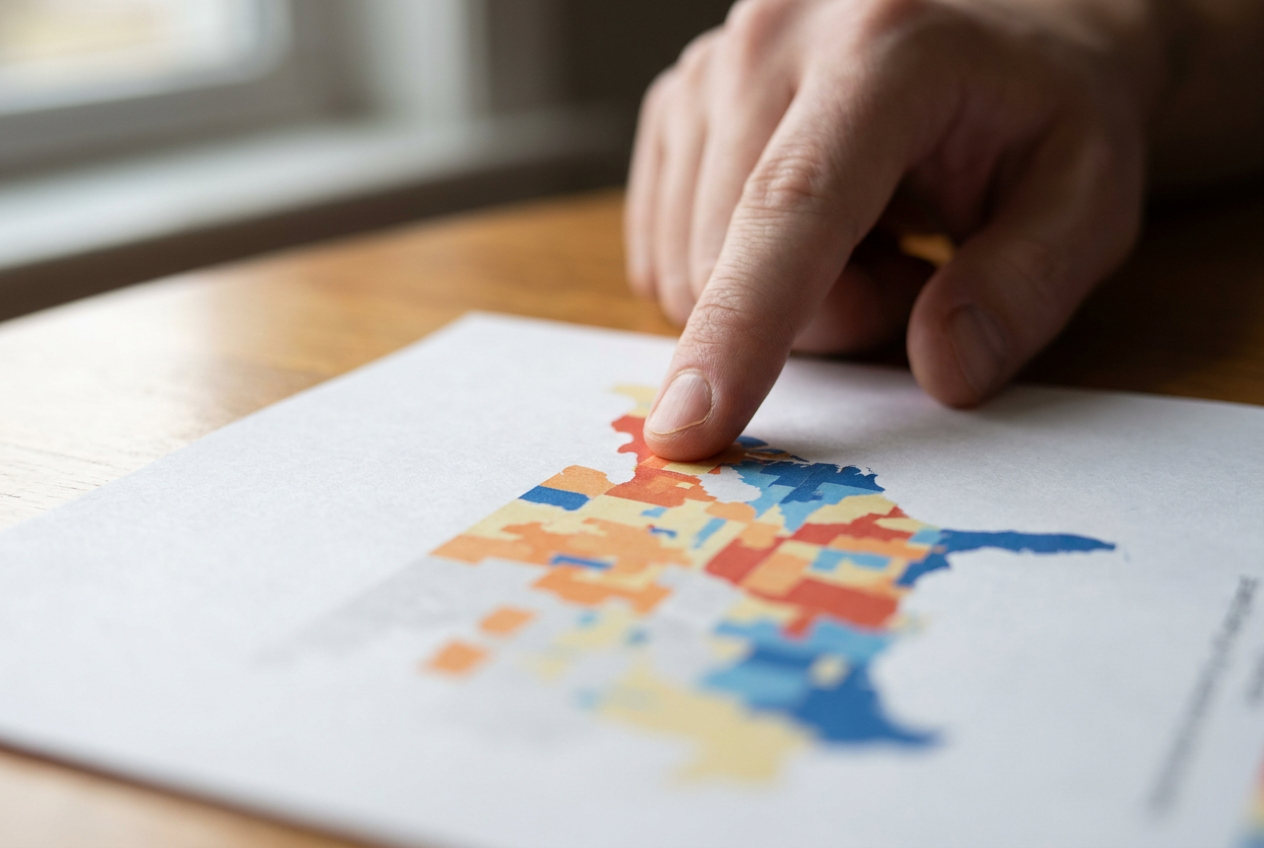
Commercial DNA testing has become an essential tool for this work. For those with Ashkenazi Jewish heritage, the results can be complex, but the shared matches can still provide powerful clues. Science is bridging an 80-year silence for Holocaust survivors' families in remarkable ways.
Understanding Ashkenazi DNA and Endogamy
For researchers with Ashkenazi Jewish roots, DNA results can look a little different. Due to a long history of marrying within the community, a practice known as endogamy, individuals of Ashkenazi descent often share more DNA with each other than would be expected based on their actual paper-trail relationship. This can cause a third cousin to appear genetically as a second cousin, for example. While this can seem confusing, experienced genetic genealogists have developed methods to work with these results.
Instead of relying solely on the total amount of shared DNA, they analyze the number and length of shared segments and lean heavily on techniques like triangulation and building out the trees of shared matches. A large, shared segment is more indicative of a recent common ancestor than many small segments. This complexity doesn't make the search impossible; it just requires a more nuanced approach.
A Practical Guide to Finding Family
Embarking on this journey can feel overwhelming, but a structured approach can make the process manageable. Here is a step-by-step guide for Holocaust survivors and their descendants who wish to use DNA to search for lost family.
Step 1: Get a DNA Test from the Oldest Generation
The first and most crucial step is to get your DNA into a major genealogical database. If possible, the test should be taken by the oldest living generation, the survivor themselves or their children. Their DNA is genetically closer to the generation that was lost, which will result in closer and more easily identifiable matches. Each generation that passes dilutes the amount of shared DNA from a specific ancestor, so testing the oldest relative available maximizes your chances of finding a meaningful connection.
Step 2: Access Special Resources for Survivors
Recognizing the profound importance of this work, several organizations have been created specifically to help Holocaust survivors and their descendants. The DNA Reunion Project is one such initiative. This project and others like the independent, nonprofit Holocaust Reunion Project provide free DNA testing kits and expert guidance to help survivors navigate the results. The DNA Reunion Project has already helped around 900 participants. Applying to such a project can provide not only a free test but also access to volunteers who are experts in Jewish genealogy.
Step 3: Build a Foundational Family Tree
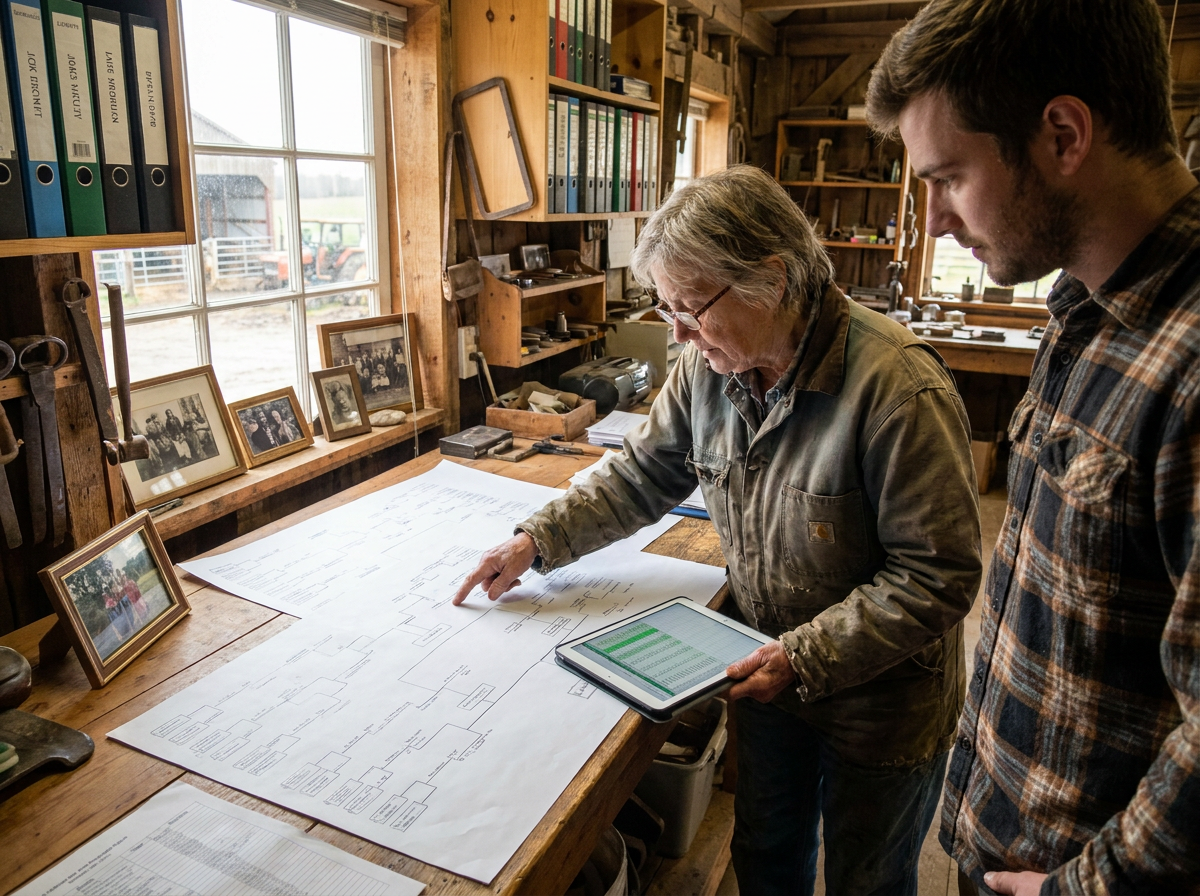
While DNA is powerful, it works best in context. Before your results come in, start building a family tree with everything you already know. Add the names of parents, grandparents, aunts, and uncles. Gather dates of birth, marriage, and death, and note the names of towns or shtetls they came from, even if you are unsure of the spelling.
Every piece of information, no matter how small, adds context that will be invaluable later. When you link this tree to your DNA results, platforms like MyHeritage can automatically find Smart Matches™ between your tree and the trees of your DNA matches, instantly highlighting potential connections.
Step 4: Systematically Analyze Your DNA Matches
Once your results are ready, you will receive a list of DNA Matches. For those with Jewish heritage, remember the effects of endogamy and focus on multiple points of evidence. Don’t just look at the predicted relationship. Examine the amount of shared DNA (measured in centimorgans, or cM) and the number of shared segments.
Explore your "Shared Matches"—the list of people you and your match both have in common. If you and a DNA Match share multiple other matches who all descend from the same known ancestral couple, it strongly suggests your connection lies on that same branch. Remember that a 4th cousin match is not a dead end and could be the key to your breakthrough.
Step 5: Revisit Historical Records with New Clues
Use your newfound family connections to guide your search in online archives. A DNA Match might provide you with a new surname to search for, or a new location in Eastern Europe you hadn't known was part of your family's story. Look for any available documents that might mention these new names or places. Post-war records from Displaced Persons (DP) camps, passenger lists for immigration ships to the US, Israel, or South America, and memorial databases like those held by Yad Vashem or the Arolsen Archives can suddenly yield results with a new piece of information from a DNA match. Exploring vast collections of historical records can help you add valuable context to your DNA discoveries.
Incredible Stories of Reunion
The results of these efforts are profoundly moving. One incredible case involved a woman who was smuggled out of the Bialystok ghetto as a toddler. Her parents, who did not survive, arranged for her escape, and she was left with only a scrap of paper holding two possible surnames. After searching for her family for over 70 years, DNA testing finally connected her with a first cousin in the United States, providing her with a family and a history she thought was lost forever.
These are not isolated incidents. Siblings separated as children are finding each other in their 80s. Cousins are connecting across continents, sharing photos and stories of grandparents they never knew they shared.
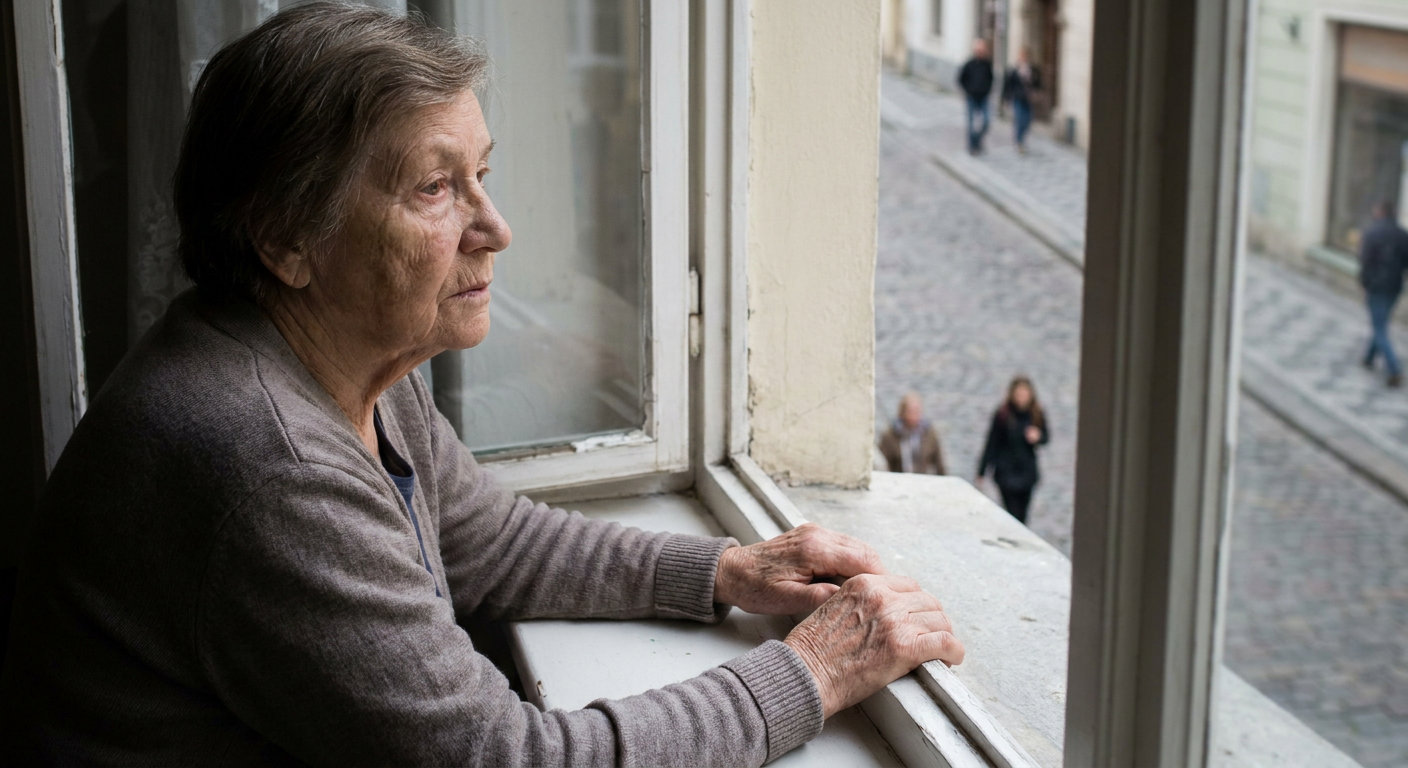
Each connection made is a victory against the forces that sought to tear families apart. It restores a piece of a legacy, offering comfort and a sense of belonging to those who have lived with uncertainty for so long.
Navigating the Emotional Journey of Discovery
While the prospect of reunion is exciting, it is also important to be prepared for the emotional complexities that can arise. A DNA discovery can uncover family secrets or reveal painful truths. You may find relatives who are not ready or willing to connect, or you might uncover details about your ancestors’ lives that are challenging. This is a normal part of the process.
It is important to approach the journey with patience, an open heart, and respect for the feelings of others. Connecting with others who have been through a similar process, perhaps in online groups or community forums, can provide valuable support and perspective.
Privacy and Trust in a Digital Age
Understandably, sharing your genetic information requires trust. It’s important to understand how your data is protected and the important questions to ask about how your DNA could be used. MyHeritage was founded with a deep respect for user privacy and has a long-standing policy of not selling or sharing user data with third parties. Users own their data and have full control over their privacy settings. You decide who can see your results and family tree information.
The platform’s terms of service strictly prohibit the use of its DNA services by law enforcement for forensic investigations. Unlike some other services that have become tools for police, MyHeritage does not cooperate with such requests, ensuring that your data is used for the purpose you intended: connecting with family and discovering your heritage.
This journey of reconnection is deeply personal, and for many, it is a race against time. The ongoing efforts to link survivors and their families stand as a powerful testament to the resilience of heritage and the profound human need to know where we come from. Each reunion is a quiet victory, a mending of a tear in history, and ensures that the stories of lost generations will not be forgotten. The silence is finally being broken, one DNA match at a time.
Frequently Asked Questions