English

For generations, the story of one's origins could end abruptly at a locked filing cabinet, a sealed record becoming the final, frustrating chapter. That reality, which long defined the adoptee experience, has all but vanished. For those undertaking the modern search for a birth mother, the journey no longer stalls at a legal barrier but often begins with an accessible, scientific starting point. This radical shift has redefined not only the methods of discovery but the very emotional landscape for countless individuals seeking to understand where they came from.

Key Takeaways
- The modern search for a birth mother has been transformed by the combined power of consumer DNA testing, digitized historical records, and evolving laws regarding access to adoption documents.
- Autosomal DNA testing is a foundational first step, creating opportunities for adoptees to connect with biological relatives even when paper trails are sealed or non-existent.
- Traditional genealogical research, including obtaining original birth certificates and searching public records, complements DNA evidence, providing names, dates, and locations.
- Online platforms and social media have emerged as powerful, if informal, tools for amplifying searches and connecting with individuals who may hold key information.
The modern search for a birth mother is a deeply personal journey, one that for decades was characterized by sealed records, fragmented information, and emotional uncertainty. Today, that landscape is undergoing a dramatic transformation. A convergence of genetic science, digital record-keeping, and shifting legal norms has created unprecedented pathways for adoptees seeking to understand their origins. This modern approach to finding biological family is almost unrecognizable from the methods available just a decade ago, blending DNA data with old-fashioned detective work in powerful new ways.
The single most significant development in this field has been the widespread availability and scientific advancement of consumer DNA testing. Where searches once stalled at the legal barrier of a sealed birth certificate, they now begin with a simple cheek swab, opening up a world of genetic connections that transcends legal red tape.
The Genetic Revolution in Adoptee Searches
The primary barrier in many searches has always been the sealed nature of adoption records. For much of the 20th century, adoptions were “closed,” meaning the original birth certificate was sealed and an amended one was issued with the adoptive parents' names. This created a legal and genealogical brick wall that could seem insurmountable. DNA testing, specifically autosomal DNA testing, effectively builds a bridge over that wall, creating connections where none were visible before.
How Autosomal DNA Creates a Pathway
An autosomal DNA test analyzes hundreds of thousands of genetic markers across your 22 pairs of non-sex chromosomes. When you test, your results are compared against a large database of other tested individuals. The service identifies people who share identical segments of DNA with you and calculates how much DNA you share, measured in centimorgans. The amount of shared DNA helps predict the likely relationship. For example, a parent-child relationship involves sharing approximately 3400 cM, while half-siblings share around 1700 cM, and first cousins share about 850 cM.
These matches are the first crucial footholds in building out an unknown family tree. Even if she has not tested herself, her siblings, cousins, or even her own children might be in the database, providing a direct genetic link to her immediate family.
Triangulating from Genetic Cousins
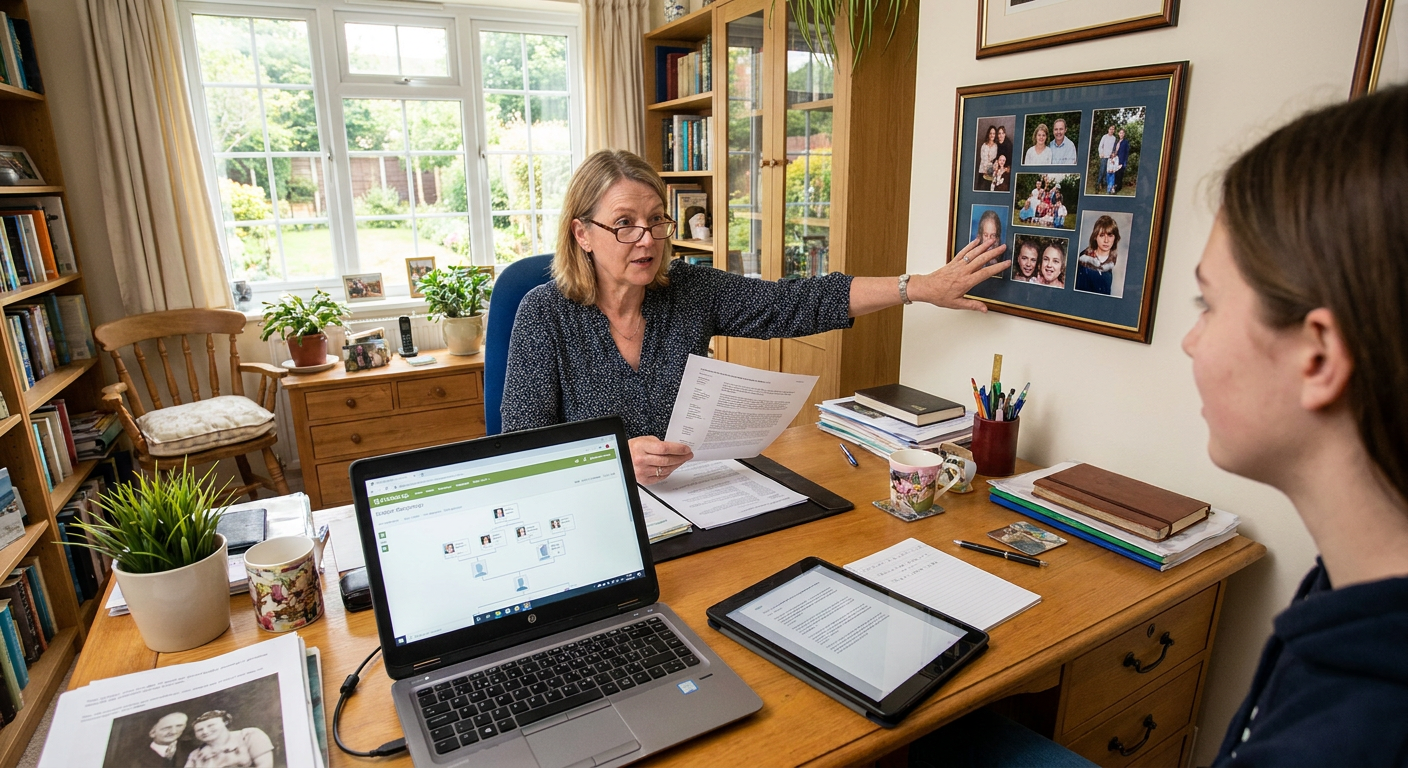
Often, an adoptee will not find an immediate family member in their match list. This is where the real detective work begins. The power of genetic genealogy lies in the web of more distant cousins. This process is less about finding a single direct match and more about using a network of genetic cousins to triangulate the identity of a common ancestor. For example, if you find three DNA matches who are all second cousins to you, and you discover through building their family trees that they all share a single set of great-grandparents, then those individuals are very likely your great-grandparents as well. This focuses your research on one specific family line, allowing you to trace their descendants forward in time to identify your birth mother. This methodical approach, often called the "Leeds Method," helps sort matches into family clusters, making the path clearer.

Navigating the Paper Trail: Records and Legal Changes
While DNA provides the map, historical records provide the names, dates, and addresses needed to confirm a hypothesis. The first step on the paper trail is typically to request the non-identifying information from the adoption agency or the state where the adoption was finalized. This document provides summarized details about the birth parents, such as their age at the time of birth, physical descriptions, ethnic background, education level, and state of residence, all without revealing their names.
The Impact of Unsealed Records
Crucially, the legal landscape surrounding adoption records is in constant flux, with a clear trend toward greater openness. Many jurisdictions have begun unsealing original birth certificates upon request from an adult adoptee. States like New York have enacted laws allowing adult adoptees to request their original birth certificate, which lists the birth mother’s full name at the time of the child’s birth. This single document can be the key that unlocks the entire search, providing a concrete name to research instead of a genetic puzzle.
Organizations like the American Adoption Congress maintain up-to-date information on state-by-state access laws. For some, obtaining this record is a straightforward administrative process; for others, it may still require a court order, but the path is more accessible than ever before.
Using Records to Build a Profile
Once a potential name and birth year are known, either from DNA triangulation or an original birth certificate, the real work of the genealogist begins. Researchers can search historical records to build a profile of the birth mother’s life. These documents can help confirm her identity, track her movements over time, and identify other family members.
Key record sets include:
- Census Records: These can place the woman in a specific household with her parents and siblings, confirming family structures.
- Vital Records: Birth, marriage, and death certificates for the potential mother and her known relatives can establish a timeline of her life.
- City Directories and Yearbooks: These can pinpoint her address at a certain time and even provide a photograph, helping to confirm the information found in DNA matches' family trees.
The Role of Online Communities and Search Angels
No search happens in a vacuum. The internet has fostered a vibrant ecosystem of support and expertise for adoptees. Social media platforms like Facebook have become powerful, if informal, tools for amplifying search efforts. A carefully crafted public post with known details like birth date, hospital, and city can be shared widely, potentially reaching someone who knows the family or the circumstances of the adoption. Many reunion stories in the 21st century have started with a simple, viral social media post.
Finding Expert Volunteers
Beyond social networks, dedicated groups of "search angels" have emerged. These are experienced volunteer genealogists who specialize in helping adoptees navigate the complexities of their search, often for free. They are typically skilled in both genetic genealogy and traditional record analysis, providing invaluable guidance and support. They can help interpret complex DNA match results, build out speculative family trees, and suggest new research avenues. These volunteers often frequent dedicated forums and social media groups, offering their expertise to those who feel stuck.
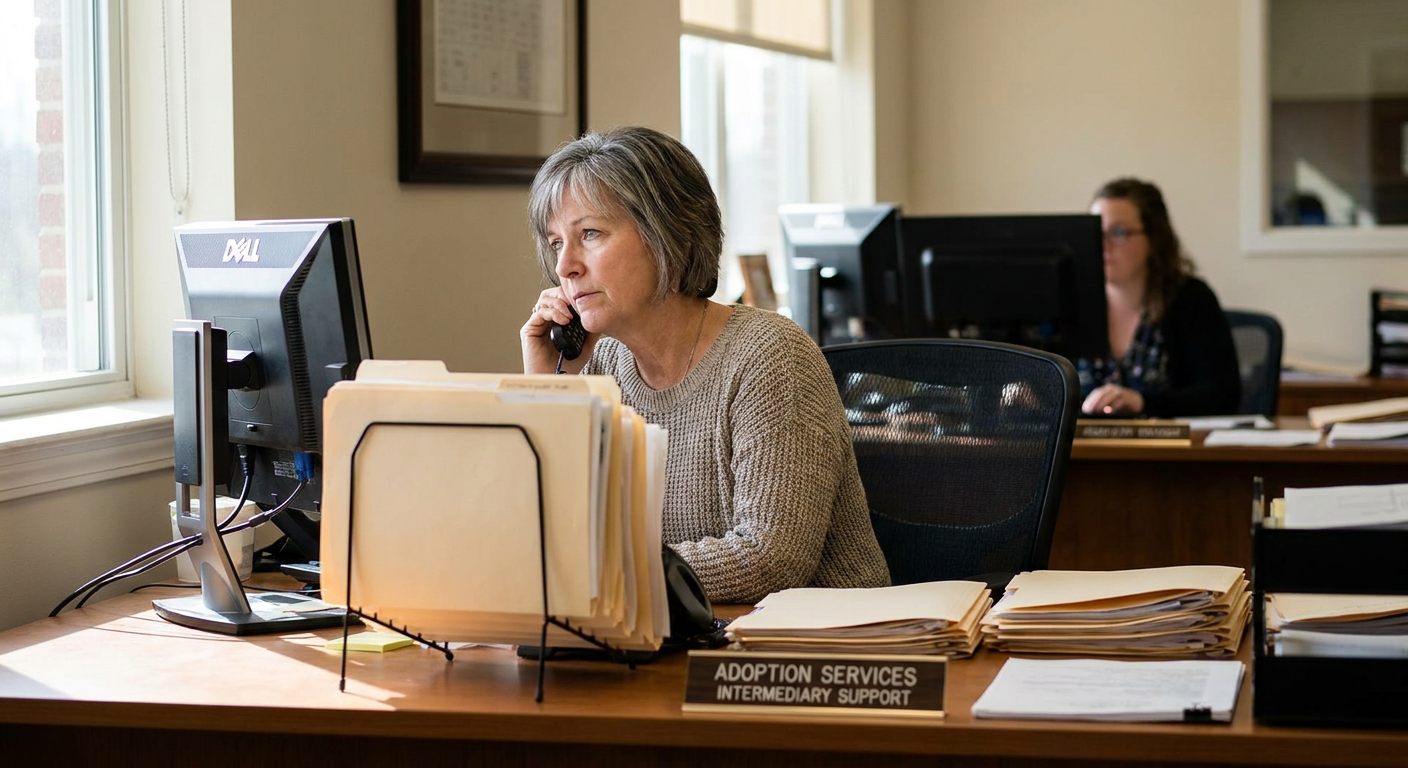
Contacting the original adoption agency can also yield results. While they may be bound by privacy laws from decades ago, many now offer intermediary services. They might be able to act as a go-between, pass along a letter, or provide access to a mutual consent reunion registry where both parties have proactively consented to contact.
Preparing for Contact and Reunion
Finding a birth mother is one challenge; making contact is another entirely. This is a delicate and emotionally charged step that requires empathy, patience, and a clear understanding of the possible outcomes. Before reaching out, it is essential to prepare emotionally for any response, from joyful acceptance to ambivalence, or even a direct request for no further contact. It is helpful to consider what you hope to gain from contact—Is it medical history?
An understanding of your story? A relationship? while also respecting that the birth mother has her own history and feelings.
Making First Contact
Most experts recommend making initial contact through a neutral, low-pressure medium. A surprise phone call or in-person visit can be overwhelming and counterproductive. A carefully worded letter, sent via registered mail, is often the best approach. This gives the birth mother time and space to process the information and decide how she wishes to proceed without feeling cornered.
The letter should be gentle and direct. It should state the facts of your relationship (e.g., "I believe I am the son/daughter you gave birth to on [Date] at [Hospital]"), express your intentions clearly (e.g., "I am writing to you in the hope of learning more about my medical history and understanding the story of my origins"), and provide an easy, non-threatening way for her to respond, such as an email address or a dedicated phone number.
International Search Considerations
For those adopted internationally, the search can present unique challenges, such as language barriers, different record-keeping systems, and geographic distance. However, it is far from impossible. In some cases, an adoption contract or other paperwork may list a last-known address for the birth family, providing a critical lead for on-the-ground research. Hiring a local researcher or social worker in the country of origin can be instrumental in navigating local archives and making inquiries. DNA testing remains a powerful tool here as well, as databases become increasingly global and diverse.
Regardless of the path, the journey of finding a birth mother is a profound one. It is a search not just for a person, but for a story, a history, and a deeper sense of self that resonates through generations.
Frequently Asked Questions