English
For many adoptees, the desire to understand one's origins is a profound and deeply personal journey. While past generations faced significant legal and logistical barriers in searching for birth parents, today's landscape has been transformed by DNA testing and digital records. However, this new era of accessibility brings its own set of complex emotional, ethical, and practical considerations. Embarking on this path requires careful preparation, a clear understanding of the potential outcomes, and a strong support system. It's a quest not just for names and dates, but for a narrative that shapes one's identity.

Key Takeaways
- Emotional Readiness is Paramount: Before beginning a search, it's crucial to reflect on your motivations and prepare for a wide range of emotional outcomes, from joyful reunion to rejection or the discovery of difficult family circumstances.
- DNA is a Game-Changer: At-home DNA tests have become a primary method for adoptees to find biological relatives. These tests can provide powerful leads through DNA matching, but success often depends on the size of the database and whether close relatives have also been tested.
- Legal Access Varies Significantly: An adoptee's ability to obtain their original birth certificate is governed by state or national laws, which vary widely. Understanding the legal landscape where the adoption took place is a critical first step.
- The Journey Requires Patience: Locating birth family is rarely a straightforward process. It can involve genealogical research, navigating legal systems, and waiting for the right DNA match to appear. It is a marathon, not a sprint.
The Emotional Gauntlet of the Search
The decision to search for one's birth family is never made lightly. It is a journey that starts long before the first record is requested or the first DNA sample is mailed. Preparing for the search emotionally is a critical first step. The central question adoptees must ask themselves is: What am I hoping to achieve?
Are you seeking a relationship, or do you primarily want answers to long-held questions, such as your medical history or the circumstances of your adoption? Clarifying your intentions can provide an anchor when the search becomes challenging.
Preparing for All Outcomes
It is vital to prepare for all potential scenarios. While many reunions are positive, some birth parents may not be ready or willing to connect. They may have never told their current families about the adoption, and an unexpected message can be disruptive. It’s also possible to discover that a birth parent has passed away, or that the circumstances of your conception and birth are painful. Processing these possibilities with an adoption counselor, a support group, or trusted friends can provide a necessary foundation for navigating the emotional highs and lows of the search. Writing down your expectations and fears can also be a useful exercise in emotional preparation, helping you to approach the reunion with clarity and resilience. You must also consider the feelings of your adoptive parents, who may feel a complex mix of support and apprehension about your search. Open communication with them is often a key part of the process.

The Rise of Genetic Genealogy in Adoption Searches
Without a doubt, the single biggest shift in adoption searches over the past decade has been the mainstream adoption of consumer DNA testing. For adoptees who have no identifying information about their birth parents, a DNA test can be the key that unlocks a previously closed door. When a match is found, the service estimates your relationship, from a parent or sibling to a distant cousin. A close match, such as an aunt, uncle, or first cousin, can quickly lead to the identification of a birth parent.
Using DNA to Build Your Tree
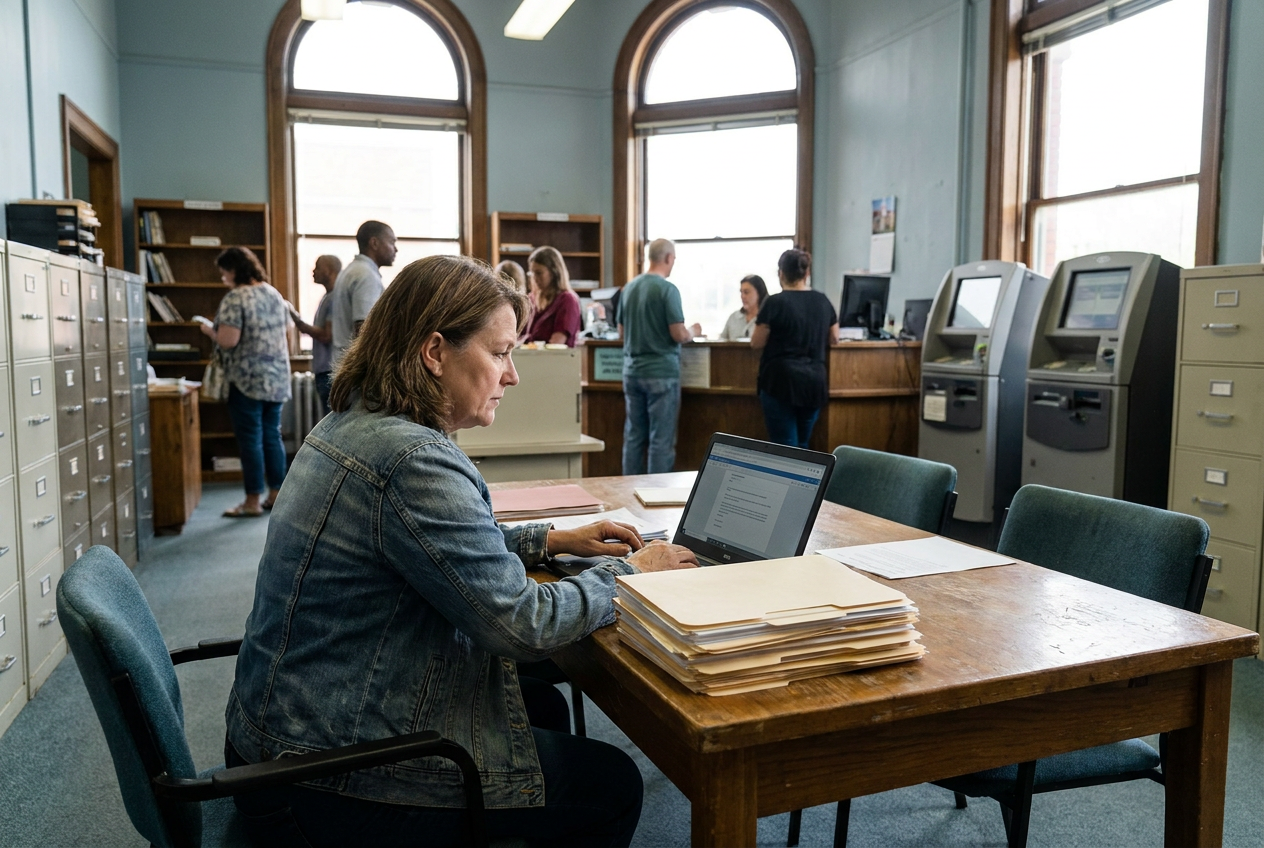
Even a match with a second or third cousin can be enough to begin building a family tree and, through careful research, identify a common ancestor. From there, genealogists can trace the family lines forward to identify potential candidates for a birth parent. This process of using DNA with traditional research methods has led to thousands of successful reunions, sometimes solving mysteries that have spanned decades. The science behind these tests is constantly evolving, leading to more precise results and a greater chance of finding a match as databases grow. For example, features that allow you to see shared matches, people who share DNA with both you and a specific DNA match, are invaluable for determining which side of the family a match belongs to. As more people test, the chances of finding a close relative increase daily, making genetic genealogy a dynamic and ever-more-powerful approach for adoptees.
Navigating the Paper Trail: Records and Legal Hurdles
The most important document is often the original birth certificate, which may name one or both biological parents. However, when an adoption is finalized, an amended birth certificate is typically issued, which lists the adoptive parents. For decades, these original records were sealed, but advocacy has led many jurisdictions to change their laws. Today, access to the original document is determined by the laws of the state or country where the adoption occurred, and these laws vary widely from unrestricted access to requiring a court order.
Uncovering Non-Identifying Information
Even where original birth certificates are sealed, adoptees can often request non-identifying information from the adoption agency or state authorities. This information is compiled from the original adoption file and typically includes details about the birth parents, such as their ages at the time of birth, physical descriptions, racial and ethnic backgrounds, education levels, and occupations. It may also include the medical history of the biological family, critical for understanding genetic health risks, and the general circumstances that led to the adoption decision. This report, while not providing names, can offer invaluable clues for your search and provide a deeper sense of personal history. For example, knowing a birth mother was a 22-year-old nursing student of Irish descent in a specific city can significantly narrow a search.
Your adoptive parents may also hold important documents or memories. It can be a sensitive conversation, but asking them for any papers related to the adoption, the name of the agency, the hospital where you were born, or details they remember can provide a crucial starting point.
The Role of Adoption Registries and Support Networks
Before the internet and DNA testing, mutual consent adoption registries were the primary hope for many adoptees and birth parents seeking reunion. These registries, often operated by states or private organizations, allow individuals to register their desire for contact. A reunion only occurs if both the adoptee and a biological relative have registered on the same service. While their effectiveness has been partially eclipsed by DNA databases, they remain a valuable resource. It is wise for any searching adoptee to add their name to relevant registries, including the one in the state of their birth and national-level registries.
Finding a Search Angel
Beyond official registries, the genealogy community is filled with volunteers known as "Search Angels." These are experienced genealogists who specialize in helping adoptees find their birth families, often free of charge. They possess deep knowledge of both DNA analysis and traditional research techniques. Finding a Search Angel can be as simple as joining adoption-focused social media groups or forums. They can guide you through the process, help interpret complex DNA results, and provide much-needed moral support. Their expertise can be especially crucial when a search hits a difficult patch or a dead end, as they can often spot clues that a less experienced researcher might miss.
Making First Contact
Finding a name is often just the beginning. The next step, making contact, is perhaps the most delicate phase of the entire process. How you initiate contact can set the tone for any future relationship. Most experts advise against showing up unannounced or making an abrupt phone call.
A letter, an email, or a message through a neutral intermediary is often the recommended approach. This gives the birth parent time and space to process the information and decide how they wish to respond.
When writing your initial message, be clear, calm, and respectful of their situation. State who you are, when and where you were born, and how you believe you are connected. It can be helpful to express your motivations clearly, whether it’s to learn about your medical history or to potentially build a relationship. Crucially, provide an easy way for them to decline contact without feeling pressured or guilty.
Reassure them that you respect their privacy and their decision, whatever it may be. Remember that this moment is the culmination of years of curiosity for you, but it may be a complete shock to them. Patience and empathy are essential ingredients for a successful first contact.
Embarking on a search for birth parents is a transformative experience, regardless of the outcome. It’s a journey into your own personal history and identity. By preparing yourself emotionally, searching historical records, and proceeding with sensitivity, you can navigate this complex path with confidence and grace.
Frequently Asked Questions