English

Located in lower Manhattan, Castle Garden operated as New York's primary immigrant inspection station from 1855 to 1890. Finding these historical records online requires knowing which repositories host the original manifests, what search parameters produce reliable matches, and how to analyze the index entries correctly.

Key Takeaways
- Castle Garden served as the official Port of New York immigration depot from 1855 until 1890, operated directly by the State of New York.
- Digital arrival indexes cover entries spanning from 1820 through the early 1890s, recording details such as age, occupation, literacy, ship name, and origin.
- Researchers can consult original manifests and microfilmed copies preserved by the U.S. National Archives to verify indexed transcriptions.
- Organizing passenger manifest data alongside family history software helps confirm multi-generational timelines and foreign birthplaces.
The History of Castle Garden as an Immigration Depot
Castle Garden is a historic circular sandstone fortification situated at the southern tip of Manhattan in Battery Park. Castle Garden in lower Manhattan was the Port of New York's immigration station from 1855 to 1890. During this operational era, the facility was run by the State of New York, functioning before the federal government assumed direct authority over immigrant inspections and opened Ellis Island.
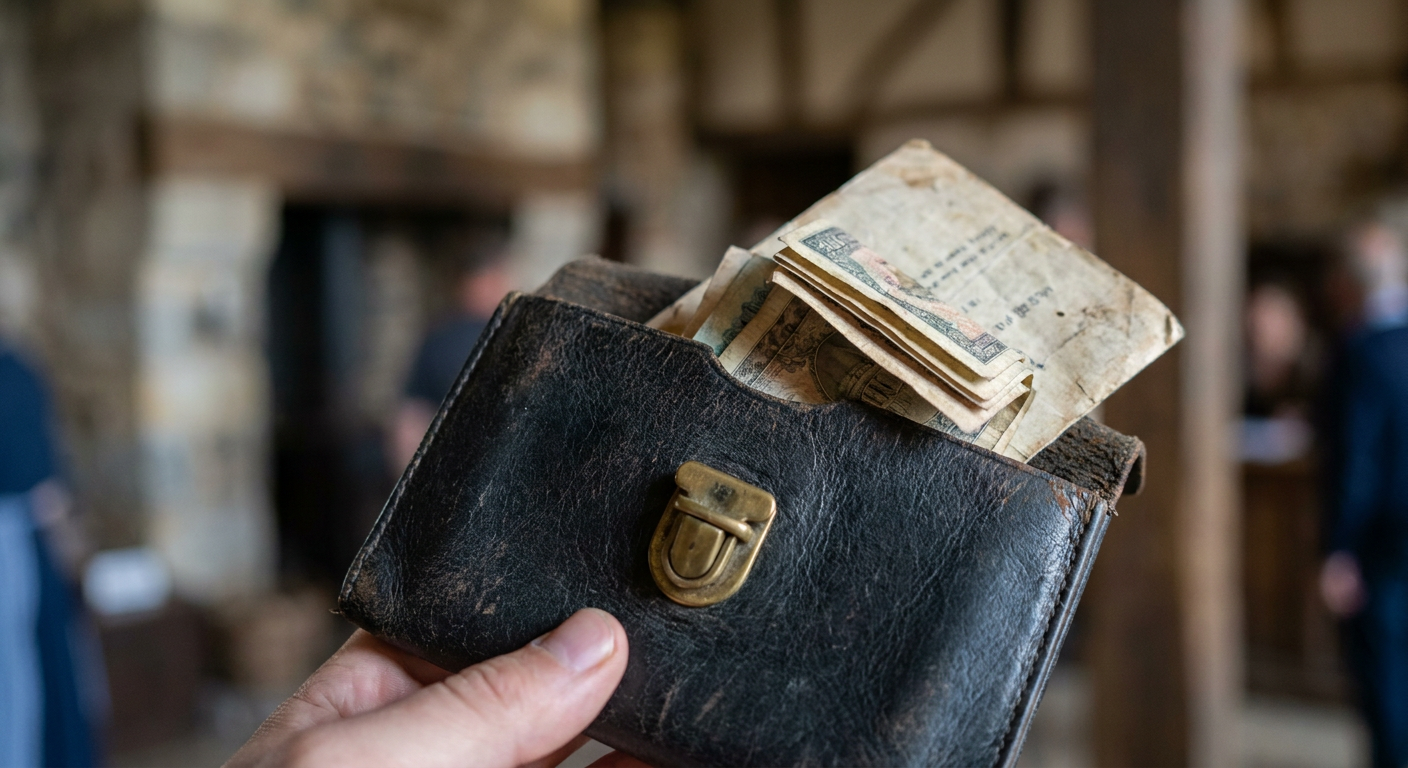
The facility opened its doors to incoming passenger vessels to protect travelers from predatory dockside schemes, dishonest currency exchangers, and unlicensed lodging operators. Before its designation as an immigration depot, passengers arriving in New York often disembarked directly onto commercial piers along the East River and Hudson River. Castle Garden established a structured receiving procedure that included health examinations, registry verification, baggage processing, and authorized domestic transportation booking.
Where to Search Castle Garden Immigration Records Online
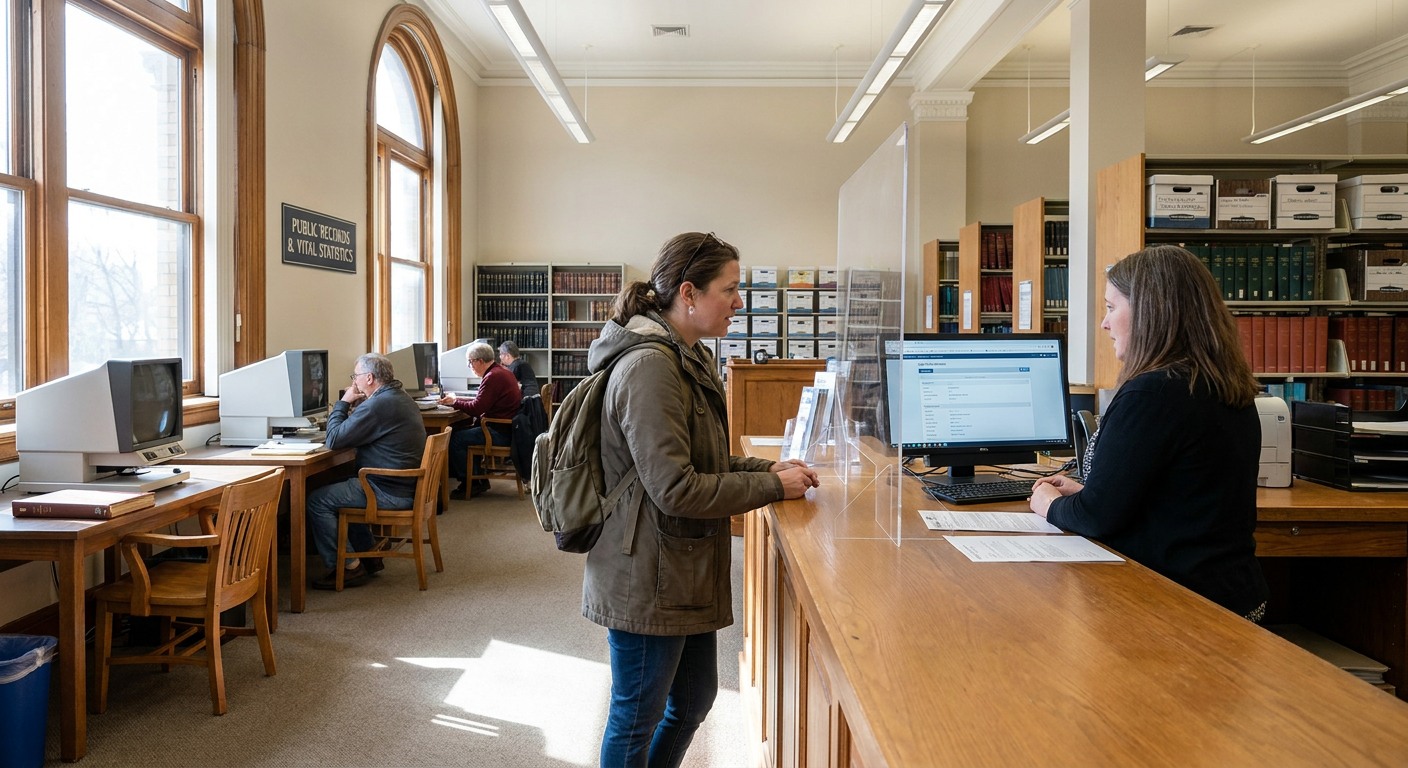
Multiple digital portals provide access to passenger indexes and scanned vessel manifests for individuals entering the United States during the nineteenth century. Identifying the exact digital repository that holds your target time period ensures that search parameters yield verifiable documentation.
The Castle Garden Online Database
The index also encompasses arrival manifests dating from 1820 through 1891.
Searches through the Castle Garden online database can be performed without charge. Searchable fields allow users to query entries by passenger name, returning extracted details including age, sex, literacy status, occupation, country of origin, port of embarkation, date of arrival into New York, and ship name. A typical entry records the passenger's full name, occupation, exact age, arrival date, country of origin, departure port, and vessel name.
The U.S. National Archives Digitized Holdings
The U.S. National Archives holds extensive collections of maritime records, including the Castle Garden Immigration Center Collection. Digital microfilm reproductions and federal customs lists provide primary source evidence that substantiates online index transcriptions.
Researchers tracing transatlantic voyages often cross-reference nineteenth-century manifests with federal documentation preserved in national archival facilities. Customs passenger lists preserve original manifests compiled before disembarkation and later transferred to federal repositories. Digital holdings categorized under National Archives microfilm publications preserve the original handwritten ship manifests submitted by shipmasters to collectors of customs.
Key Information Recorded on Castle Garden Manifests
Navigating nineteenth-century manifest databases requires understanding the exact data categories recorded during this era. Unlike twentieth-century immigration documents, which recorded comprehensive details regarding physical descriptions, foreign relatives, and final addresses, nineteenth-century customs manifests focused on basic maritime reporting.
Passenger Identity and Demographic Data
The primary entry columns recorded the traveler's legal name, chronological age, and assigned biological sex. Surnames were usually grouped by travel ticket or cabin arrangement. Children, infants, and elderly relatives were recorded together with heads of household.
Socioeconomic and Occupational Details
Manifest entries typically documented the passenger's trade or calling at the time of departure. Recorded professions frequently ranged from agricultural laborers and domestic servants to skilled blacksmiths, carpenters, merchants, and tailors.
Literacy and Physical Ability
Clerks maintained columns regarding whether passengers could read or write. Notations regarding literacy reveal an individual's educational background and help genealogists distinguish between two contemporaneous immigrants bearing identical names.
Maritime Transit and Geographic Origins
Customs sheets documented the country of origin, the departure port, and the name of the steamship or sailing vessel. The port of embarkation highlights the regional European transportation network utilized by the traveler prior to ocean transit. The recorded date of arrival establishes the legal landing date required for citizenship petitions.
Step-by-Step Guide to Finding Castle Garden Records Online
Navigating nineteenth-century manifest databases requires a methodical search strategy to account for phonetic spellings, transcription variances, and incomplete manifest ledgers.
Step 1: Gather Baseline Passenger Details
Before launching a database query, compile known facts about the traveling ancestor:
- Full birth name and known cultural name variations.
- Approximate year of arrival, derived from census schedules or naturalization documents.
- Approximate age at arrival.
- Traveling companions, such as spouses, siblings, or infant children.
- Presumed port of departure or country of origin.
Establishing these baseline facts prevents mistaking an unrelated passenger of the same name for a direct ancestor.
Step 2: Query the Online Index
Input the primary surname and given name into the online passenger search interface. Many nineteenth-century clerks recorded names phonetically based on the passenger's spoken language or translated given names into English equivalents. If an initial search yields no matching records, adjust parameters:
- Try common spelling variations (such as "Schmidt" for "Smith" or "Müller" for "Miller").
- Search by surname only if the family name is uncommon.
- Limit the query to an estimated arrival window of two to three years.
Step 3: Filter by Ship and Departure Port
If a general surname search yields hundreds of results, narrow the results by adding secondary details. Entering the name of the vessel, the foreign port of embarkation, or the passenger's country of origin helps isolate the correct record. Ports such as Liverpool, Queenstown, Bremen, Hamburg, and Le Havre carried high volumes of transatlantic passenger traffic heading to New York.

Step 4: Examine the Extracted Index Details
Upon finding a prospective match, inspect every data field included in the database transcription:
- Occupation: Does the recorded occupation match trade information reported in early census records?
- Age and Sex: Does the listed age align with the individual's estimated birth year?
- Literacy: Notes on literacy indicate whether the traveler could read or write at the time of arrival.
- Arrival Date: The arrival date confirms when the vessel docked in the Port of New York.
- Port of Embarkation: The departure port reveals where the immigrant boarded the transatlantic vessel.
Transcribed records typically indicate the passenger's intended destination, such as general settlement in the United States, along with vessel names and travel passage arrangements.
Step 5: Locate and View the Original Manifest Image
An index entry is a transcription tool; the ultimate goal is viewing the digital image of the original customs passenger list. Passenger manifests contain contextual clues not found in short database extracts:
- Exact family groupings traveling on the same ticket.
- Number of pieces of luggage.
- Cabin class or steerage classification.
- Physical health notations or remarks made by the ship master.
- Deaths or births occurring during the voyage.
Researchers can locate the corresponding microfilm roll or digitized volume using the arrival date, ship name, and manifest page number. Examining adjacent entries often identifies neighbors, extended relatives, or traveling companions from the same native district.
Overcoming Common Research Challenges
Recognizing the structural limitations of early maritime records allows researchers to pivot when standard queries stall.
Incomplete Manifest Questions
Most entries recorded only basic identification: name, age, sex, occupation, country of origin, and vessel name. Researchers should not expect to find street addresses or detailed village names directly on these earlier manifests. Pinpointing specific European hometowns requires consulting church registers, civil registrations, or naturalization petitions.
Phonetic Spelling and Name Anglicization
Ship manifests were written at the port of departure by shipping line clerks, not at Castle Garden. A German, Italian, or Scandinavian clerk in Europe recorded names based on local administrative customs. American officials at Castle Garden simply inspected the documents already completed overseas. Tracing a passenger requires checking spellings reflective of the native language spoken at the point of origin.
Missing Passenger Lists
Some voyages have missing or damaged pages caused by age, water exposure, or ink fading prior to archival microfilming. When a direct manifest cannot be located, collateral historical documents often provide arrival details that allow researchers to browse unindexed manifest rolls chronologically.
Documenting and Organizing Castle Garden Findings
Using desktop Family Tree Builder allows researchers to attach digitized manifest images directly to individual profiles, link traveling family members, and preserve citation sources.
When coordinating family tree data across multiple software applications, learning how to export a GEDCOM file from your family site enables seamless sharing and backup of historical discoveries. Recording the ship name, arrival date, port of embarkation, and archival volume ensures that every milestone in your family history remains verified and reproducible. Castle Garden passenger records offer an indispensable bridge across the Atlantic, anchoring nineteenth-century family roots to a precise date, vessel, and departure harbor.
Frequently Asked Questions