English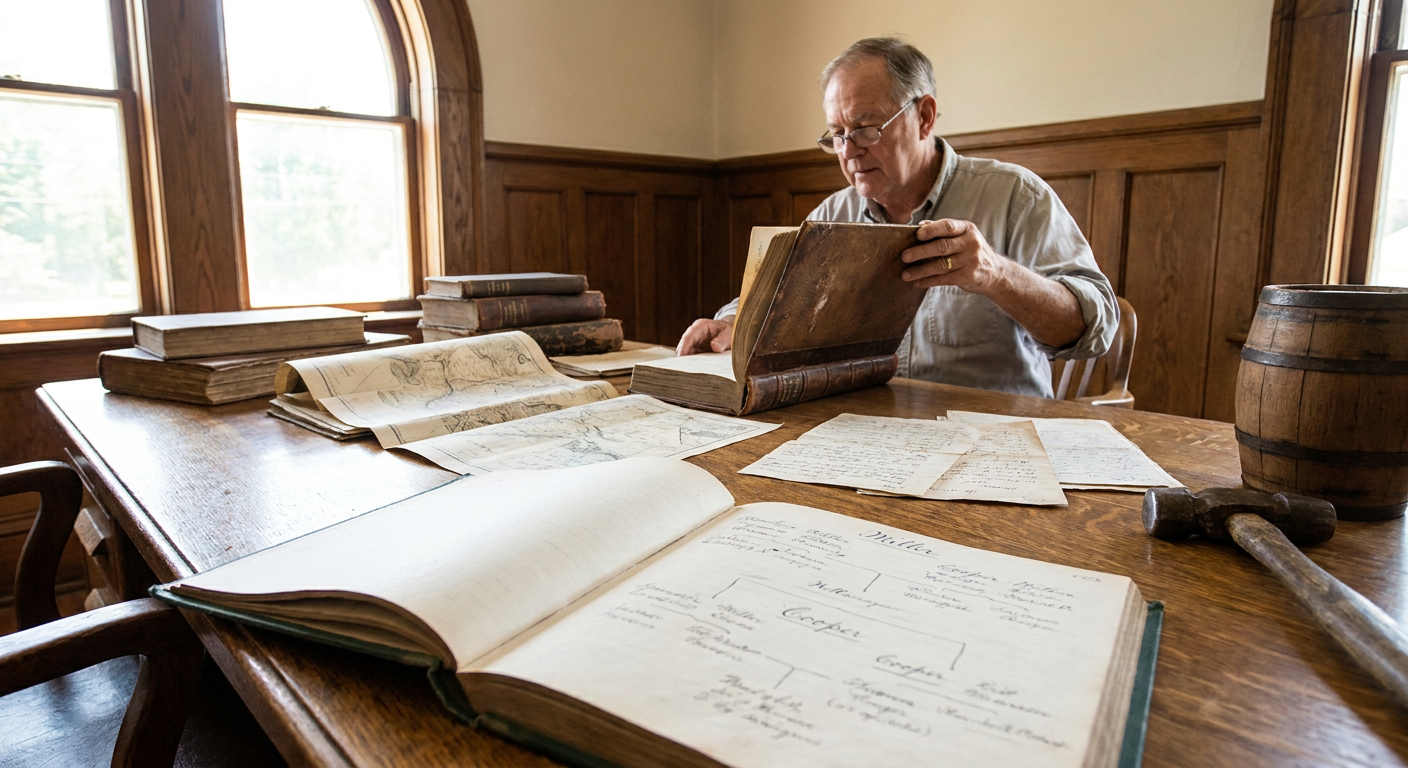
Is your last name Smith, Cooper, Wright, or Miller? If so, you carry a powerful clue about your family's past, etched into the very name you use every day. For many people, a surname functions as a living piece of history, a direct link to the profession of an ancestor who lived centuries ago. While some surnames are patronymic (derived from a father’s name, like Johnson) or locational (from a place, like Hill), a vast and fascinating category comes from the world of work: occupational surnames.

These names act as echoes from a time when a person’s identity was inseparable from their trade. This guide will walk you through how to decode the job hidden in your name and explore surname origins to uncover a deeper connection to your ancestors' lives.
Key Takeaways
- Many common surnames, such as Smith, Miller, Cooper, and Baker, originated from the professions of the people who first bore them during the Middle Ages.
- You can use your occupational surname to form a specific research hypothesis, such as predicting your ancestor's trade in census records or other historical documents.
- The geographic distribution of an occupational surname can provide clues about where your ancestors lived, as certain trades were concentrated in specific regions.
- While a surname points to a potential ancestral profession, it isn't a guarantee. Families often changed trades over the centuries after the name became hereditary.
What Is an Occupational Surname?
An occupational surname is a last name derived from a person's job, trade, or social status. This practice became common in Europe during the Middle Ages, as populations grew and communities needed a way to distinguish between individuals with the same first name. A person’s job was a primary and logical differentiator.
John the baker became John Baker. William the cooper (a barrel maker) became William Cooper. Robert the smith became Robert Smith. The name described what they did, creating an informal identifier that often passed down to their children. Eventually, these descriptive labels became fixed, hereditary surnames that no longer changed even if the family’s profession did.
This tradition was not unique to English-speaking cultures. The German "Schmidt" and the French "Lefèvre" both mean "smith." The German "Müller" is "Miller." "Kaufmann" (German) and "Coopman" (Dutch) both refer to a merchant. These names are a global phenomenon, telling a universal story of how our ancestors were known by the work of their hands.
A World of Work in a Name
The variety of professions fossilized in surnames is staggering, offering a detailed snapshot of medieval and early modern economies. They can be grouped into several major categories, each painting a picture of a different facet of society.
The Crafts and Trades
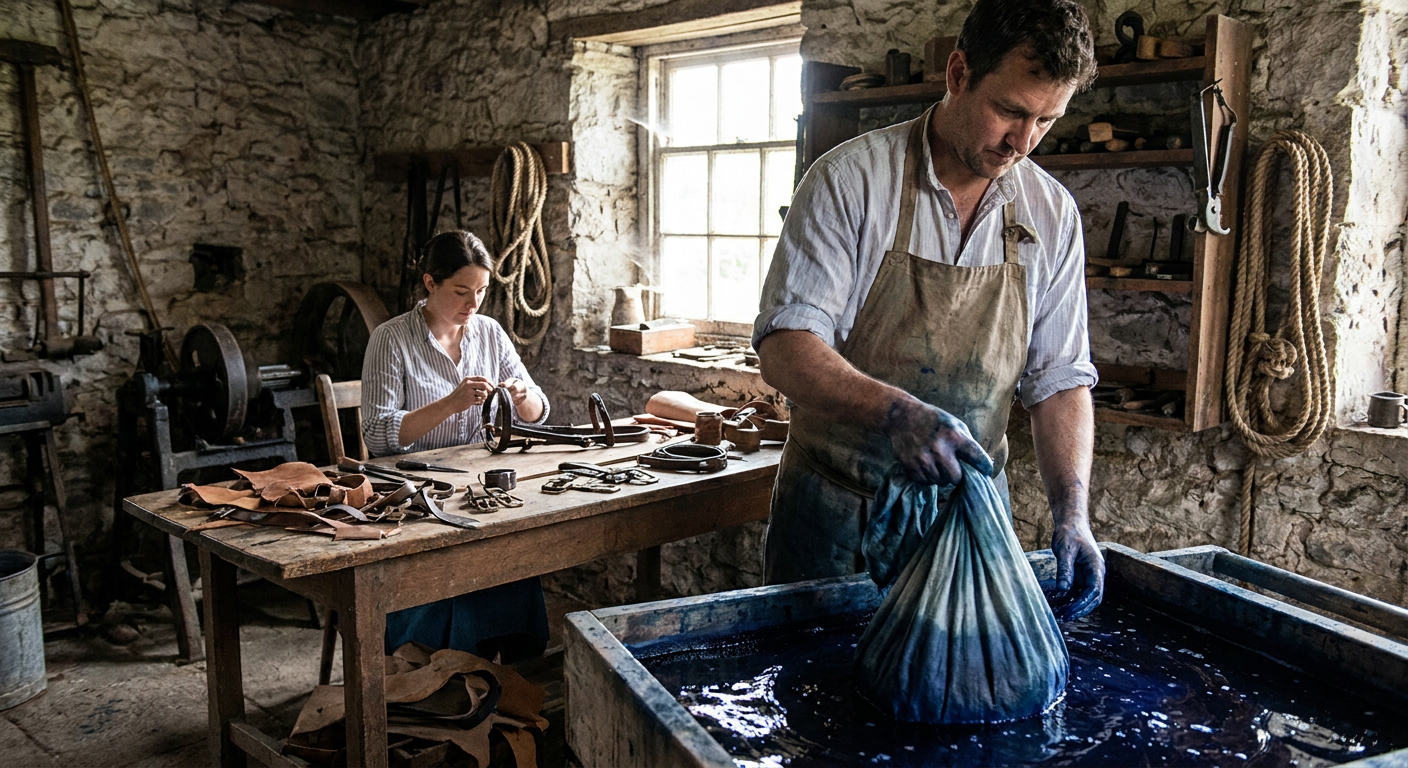
This is perhaps the largest and most recognizable group of occupational names. The name "Smith" and its variants are a prime example, referring to a skilled metalworker. This could be a blacksmith working with iron, a goldsmith creating jewelry, a locksmith, or even a tinsmith. The surname "Wright" designated a worker or shaper of wood and other materials, leading to more specific names like "Cartwright" (a cart maker) or "Wainwright" (a wagon maker).
Other historical trade-based names include:
- Lister: A textile dyer, responsible for coloring cloth.
- Lorimer: A maker of bridles and other horse tack.
- Cooper: A maker or repairer of wooden casks and barrels, a vital trade for storing food and drink.
The Service and Leadership Roles
Some surnames don't point to a craft but to a position of authority or a role within a lord’s household or community. For example, a military title like "Sergeant" became a surname over time. The name "Clerk" or "Clarke" originally referred to a "cleric" or clergyman, but later expanded to mean any scholar, secretary, or scribe who possessed valuable literacy skills. The appointment of an Election of Speaker or other high-ranking officials also mirrors how status influenced naming conventions in some cultures.
Names from the Land and Field
Agriculture was the backbone of pre-industrial society, and many names reflect that reality. While "Farmer" is a direct example, others are more specific. For instance, a "Parker" was the official gamekeeper for a lord's private parkland, a position of trust and responsibility in a rural community.
The Scholars and Specialists
Beyond common laborers and craftsmen, some surnames denote highly specialized or intellectual roles. The name "Leach" or "Leech" might sound unsettling today, but it was an archaic term for a physician. A "Latimer" was an interpreter, a crucial role for communication across language divides in medieval Europe. In German-speaking areas, the name "Lehrer" signifies a family whose ancestor was a teacher. These names often point to an ancestor who possessed a specific skill set or education that set them apart.
How to Turn Your Occupational Surname into a Research Clue
Discovering your name’s origin is fascinating, but its real power lies in using it as a practical tool for genealogy. Following a structured approach can help you validate the ancestral profession and uncover new leads.
Step 1: Define Your Surname's Meaning and Origin
Your first step is to confirm the etymology of your specific surname. Do not assume. While "Smith" is straightforward, other names may have multiple origins. Search for your surname in dedicated databases and etymological dictionaries.
Analyzing a surname’s geographic spread by searching historical records might show high concentrations in certain regions, which can also provide clues. For example, a name related to mining might be clustered in a historic mining district.
Once you have a probable meaning, turn it into a testable hypothesis. You are no longer just looking for a name. You are looking for a name connected to a specific profession.
Step 3: Search Historical Records with the Occupation in Mind
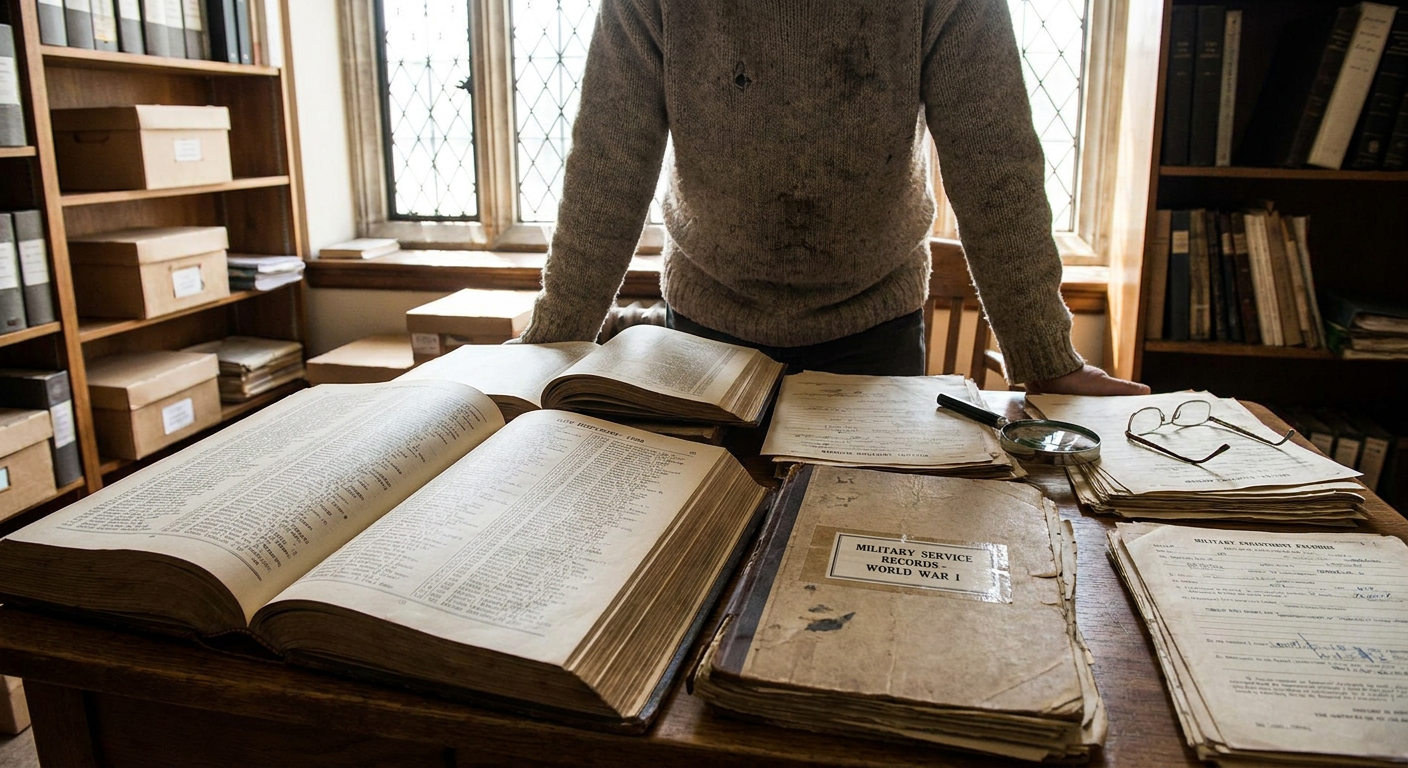
Now, you can dive into historical documents. Search for your ancestor and see if the listed trade matches your hypothesis. Occupations frequently passed from father to son, so finding a multi-generational pattern is a huge win.
- City Directories: These annual publications listed residents and their professions, a fantastic resource for urban ancestors, often helping researchers outsmart the lost 1890 census.
- Military Records: These often state a person's trade upon enlistment.
- Parish Registers: Baptism, marriage, and burial records sometimes noted the occupation of the father or the deceased.
- Guild Records: For craftsmen, admission to a trade guild was a major life event, and these records can be a goldmine of information.
Step 4: Look for Contradictions (and What They Mean)
What happens when your ancestor named "Baker" was a shipwright, or a "Fletcher" was a farmer? Do not be discouraged. This is a common and important finding. It tells you that by the time of your ancestor, the surname had become hereditary and was no longer a literal descriptor.
The original baker or fletcher in your line lived further back, likely generations before the first available historical records for that individual. This information itself helps you date the "occupational drift" in your family history and pushes your search for the original craftsman into an earlier time period.
When the Trail Goes Cold: Surnames and Geographic Clues
If you can't find a direct record of the occupation, your surname can still serve as a geographic pointer. A family named "Tanner" may have lived near a river, which was necessary for the tanning process. Someone named "Forrester" likely lived in or near a large forest. Before the Industrial Revolution, it was not uncommon for towns and regions to have a strong association with a single trade.
Thinking about the logistical needs of your ancestor's probable profession can help you narrow your search from a wide country to a specific county or parish. Civilian Records relating to Slavery, for instance, frequently document trades and locations that can help pinpoint a family’s origin in the absence of traditional vital records.
This context can prevent you from making incorrect assumptions based on the naming traditions of your own region.
DNA and Your Occupational Surname
A DNA test cannot tell you what your ancestor did for a living. There is no "baker gene." How? By connecting you with genetic relatives who share that same occupational surname.
By exploring your DNA matches, you can find distant cousins who are also researching the same "Cooper" or "Wright" line. Confirming that multiple descending lines all trace back to the same 17th-century blacksmith is a powerful validation of your family's story, especially when autosomal DNA testing confirms a biological link between researchers today. You may even find relevant documents preserved in a Strong Family Collection or other private archives shared by these matches.
Your surname is a potential key to your family's history. For many, it's the last remnant of a craft, a role, or a life’s work. It’s a clue from the past, waiting for a curious descendant to come along and use it to rediscover the world of their ancestors.
Frequently Asked Questions