English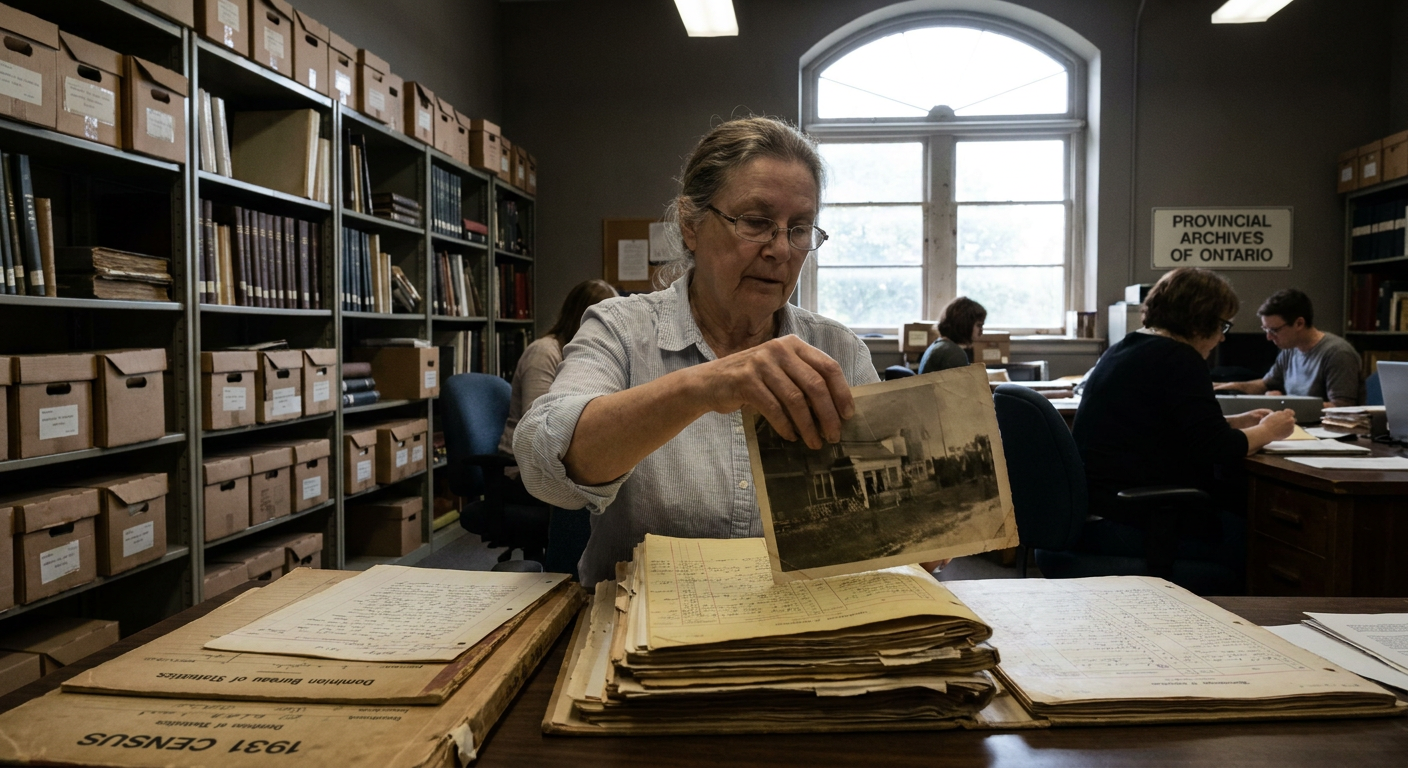
The preservation of historic collections presents significant challenges, and institutional goals of resiliency have created opportunities to prioritize and digitize historic libraries and archives. When a collection of this magnitude comes online, it offers an unprecedented look into the lives of a generation. The availability of these historical records allows researchers to connect with a "lost generation" and weave their stories back into the fabric of their family narrative.

Key Takeaways
- The 1931 Census of Canada provides a comprehensive demographic snapshot of the nation at the onset of a major global economic downturn.
- Researchers can uncover invaluable details about their ancestors, including household composition, occupation, immigration history, language, and religion.
- This record set is particularly critical for tracing families who immigrated to Canada during the boom years of the 1920s and for tracking internal migration patterns.
- Understanding the historical context of the early 1930s is essential for interpreting the data and appreciating the challenges your ancestors faced.
A Portrait of a Nation in Transition
The nation, under Prime Minister R.B. Bennett, was grappling with the first signs of what would become the Great Depression. The country's economy, heavily reliant on the export of raw materials like wheat and lumber, was particularly vulnerable. As commodity prices collapsed on the world market, the prosperity of the 1920s quickly evaporated, especially in the Prairie provinces.
For researchers, this context is crucial. An occupation listed for an ancestor might reflect a recent job loss, and the location of a family might indicate a move in search of work. It documents family farming operations just before years of potential drought, and records workers in burgeoning cities like Toronto and Montreal who were about to face unprecedented levels of unemployment. By exploring these records, you are not just finding an address. You are glimpsing the social and economic world your ancestors inhabited, a world defined by both uncertainty and resilience.
Unlocking Your Family's Story in the Census Data
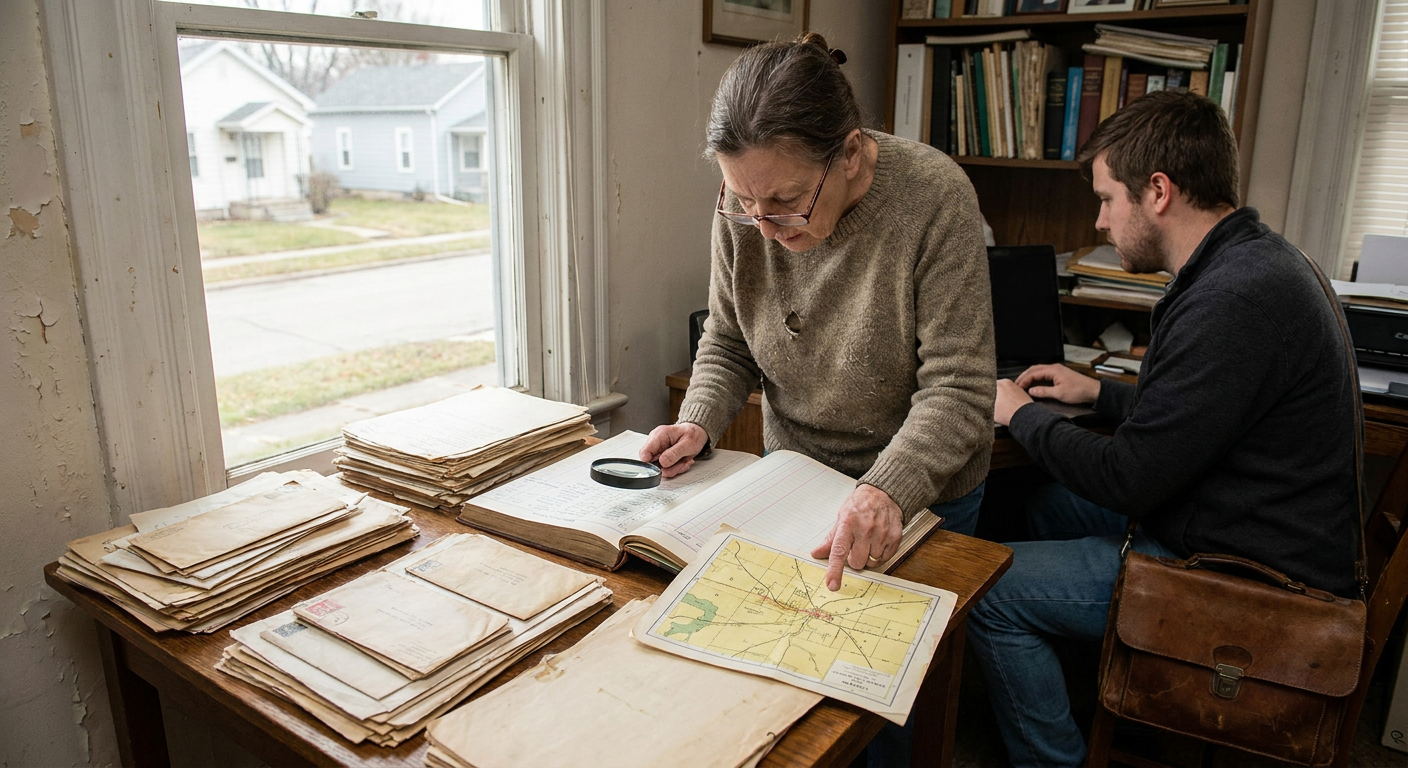
Exploring such a collection allows you to piece together a more complete picture of your family's past.
-
Household Data: The names of every person living at a residence, along with their relationship to the head of the household. This can reveal multi-generational living arrangements, the presence of boarders or lodgers which might indicate economic pressure, and the structure of the nuclear family.
-
Personal Details: Age, sex, marital status, and province or country of birth. This foundational data verifies family structure and can correct long-held errors in a family tree, which is essential to good research as detailed in [/blog/from-chaos-to-clarity-the-research-habits-of-the-world-s-most-effective-genealogists](From Chaos to Clarity: The Research Habits of the World's Most Effective Genealogists).
-
Immigration Information: For those born outside Canada, details on the year of immigration and naturalization status are a goldmine. This information directly points you toward specific passenger lists and naturalization papers.
-
Cultural Background: Details on origin (often referred to as "racial origin" in the parlance of the time), nationality, and religion provide layers of cultural context. This can guide a researcher toward specific church archives or ethnic community records.
-
Economic Information: The census often recorded a person's occupation, industry, and sometimes even earnings, offering direct insight into their economic standing. A listed occupation can lead you to search for trade union records, business directories, or company archives, supplementing details you might learn from sources like [/blog/beyond-the-grave-what-your-ancestor-s-death-record-is-really-telling-you](An Ancestor's Life, Told by Their Death Certificate).
A New Perspective on a Decade of Change
It acts as a bridge between two distinct eras.
Did they move? Did their occupation change? Did the family structure shift? This is especially true as major events like America's 250th birthday prompt a wider interest in personal heritage.
Tracing Immigrant Roots and Internal Migration
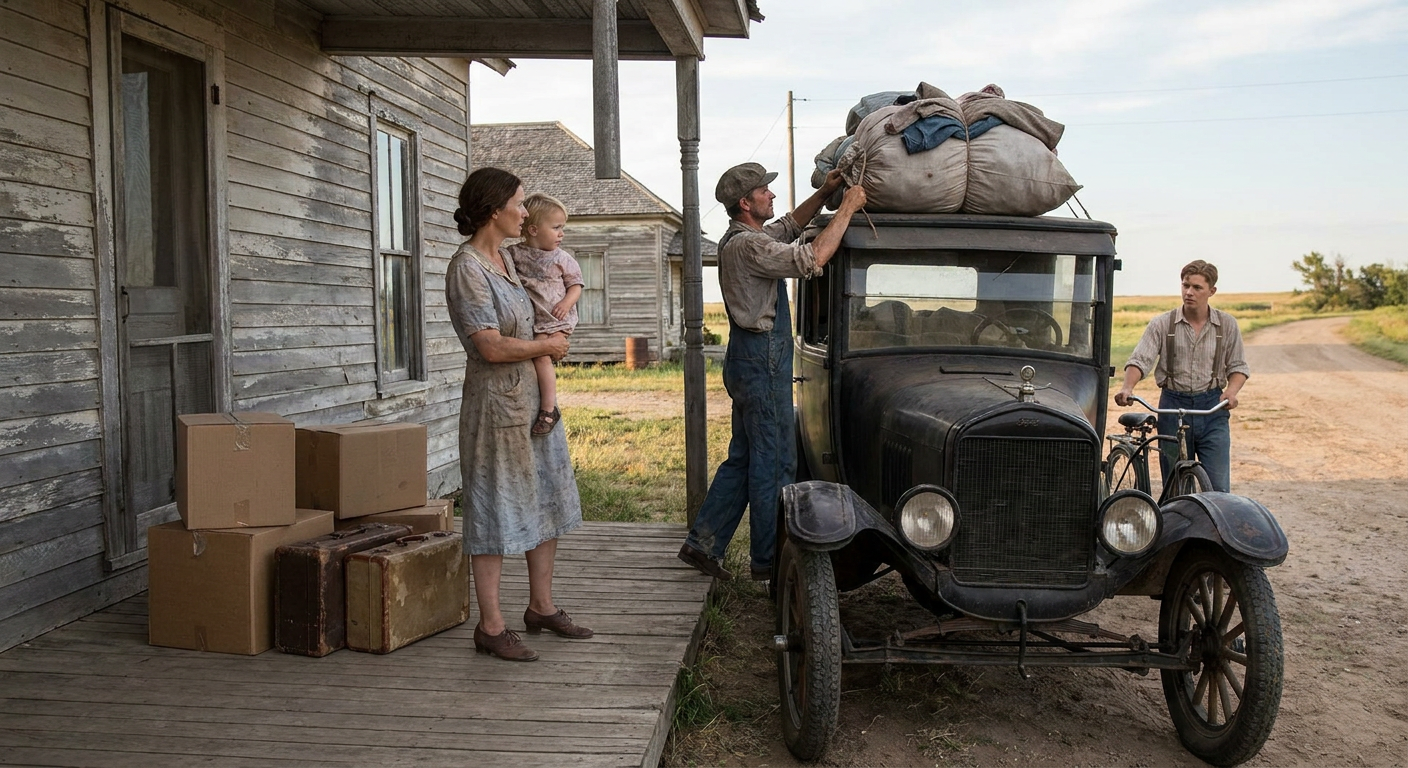
Canada experienced significant immigration throughout the 1920s, with many newcomers arriving from the UK, Ireland, and continental Europe. It can confirm where they settled, what kind of work they found, and how their family unit was structured a few years after their arrival.
Furthermore, the economic pressures of the time spurred considerable internal migration. Families moved from agricultural regions like the Prairies to industrial centers in Ontario and Quebec, or from one province to another in pursuit of opportunities.
Decoding the Census Columns: A Deeper Dive
Each column on the enumerator's sheet was designed to capture a specific piece of information about the Canadian populace.
Key fields you will encounter include:
- Location: This includes the province, district, sub-district, and street address. The sub-district information is vital for browsing the records page-by-page if a name search fails.
- Name and Relation: The name of each person in the household and their relationship to the head of the house (e.g., wife, son, daughter, lodger, servant).
- Personal Description: Columns for sex, marital status (single, married, widowed, divorced), and age at last birthday.
- Nativity and Citizenship: Separate columns record the place of birth for the individual and for their parents. This is invaluable for tracing immigrant origins back a generation. You'll also find the year of immigration to Canada and their naturalization status.
- Language and Religion: Enumerators asked about the ability to speak English and French, as well as the family's mother tongue. The "Religion" column can be a crucial clue for locating baptismal, marriage, and burial records in church archives.
- Occupation and Employment: This is a particularly poignant section for 1931. Beyond just the "Profession or Occupation," new questions were added to gauge the scale of the growing unemployment crisis. Researchers may find columns indicating if the person was employed, how many weeks they worked in the previous year, and if they were unemployed, the reason why. These fields offer a direct, personal window into the economic hardship your ancestors may have been facing.
Effective Strategies for Researching the Collection
Diving in without preparation can be overwhelming, and adopting the research habits of the world's most effective genealogists will yield better results.
-
Start with What You Know: Before you begin, gather all information you have on the relatives you hope to find. This includes full names, approximate birth years, the names of spouse and children, and any known locations. Write down multiple spelling variations for names.
-
Organize Your Findings: As you gather information, it’s helpful to use a platform to build a family tree. This creates a central place to store details and see the bigger picture. When you find a record for Catherine Bowman, for instance, you can attach it directly to her profile.
-
Be Creative with Searches: Name spellings can be inconsistent. Try searching for variations of first and last names. "Guillaume" might be "William," "Hebert" could be "Abare," and so on. Use wildcards if available, and try searching with only a first name and location, or a last name and birth year. Even a seemingly distinct name like Worthington Smith might be recorded with variations. If you cannot find someone by name, try searching for other family members.
-
Analyze the Entire Household: Examine the entire household listing, not just your direct ancestor. You might discover previously unknown siblings, cousins, or in-laws living with the family. These individuals can open up new branches of your tree to explore.
-
Use Modern Technology: In 2026, artificial intelligence is a key part of the research process, helping to decipher handwriting and analyze records. Technologies like Photo Repair can bring clarity to old family pictures from this era.
Connecting the Dots: Using the Census as a Springboard
The information contained within this single document is a powerful springboard into a multitude of other historical record collections.
First, take note of the full address. These directories can tell you how long your family lived at that address and sometimes list an occupation. You can also use the address to find the property on historical maps, giving you a visual context for their neighborhood.
Next, use the reported birthplace and age to seek out vital records. The reported year of immigration is a direct pointer to search for passenger lists and border crossing records for that specific timeframe.
Finally, the occupation listed for an ancestor can open new avenues. A "machinist" might appear in trade union records, a "teacher" in school board archives, and a "clergyman" in denominational records.
Frequently Asked Questions