English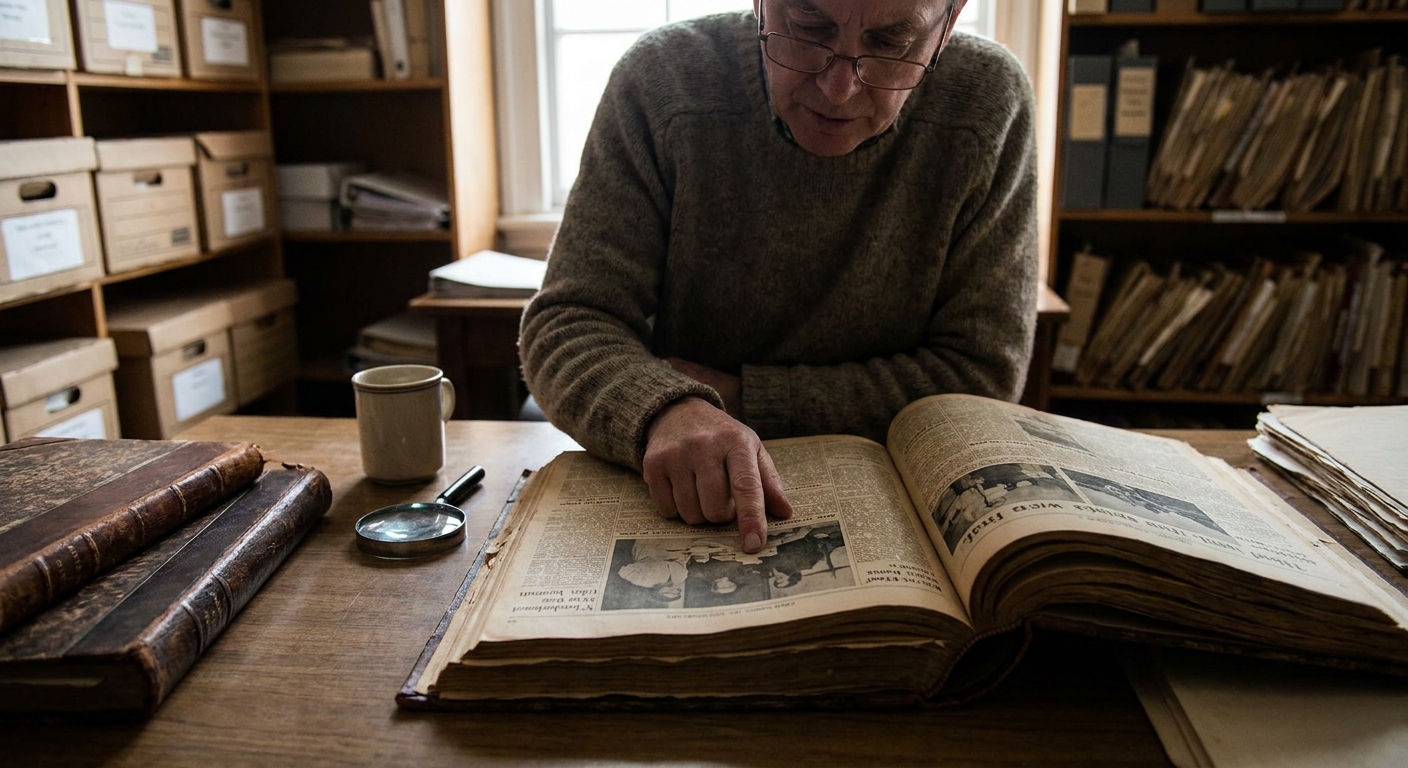
Genealogical research often begins with birth, marriage, and death certificates, documents that provide the essential names, dates, and places forming the skeleton of a family tree. But while these vital records create the framework, they rarely tell the full story. What about the flesh? The stories, scandals, triumphs, and daily dramas that give our ancestors' lives color and context?

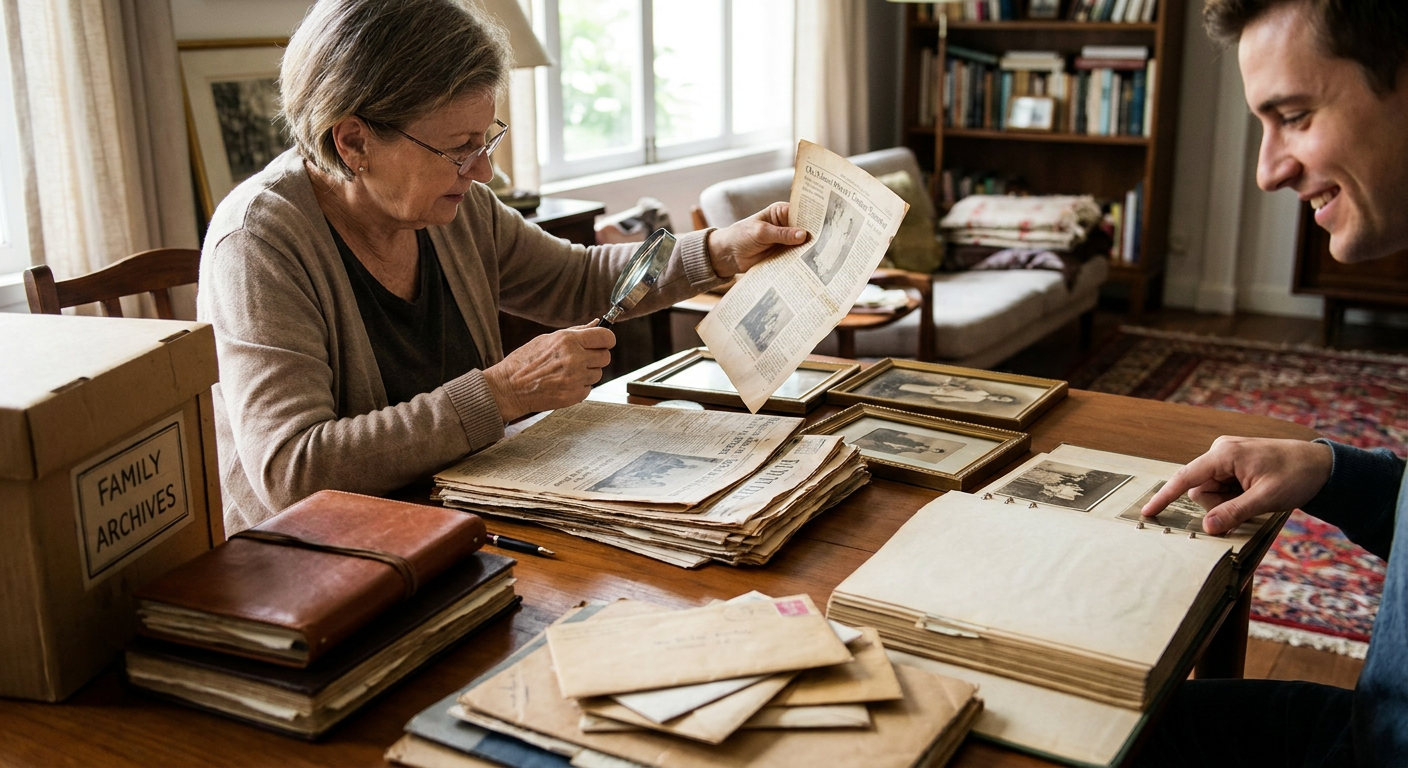
For that, researchers are turning to one of the richest and most underutilized resources available: historical newspapers. These publications were the social media of their time, capturing the day-to-day life of a community in a way that no government document ever could and preserving the details that bring a family history to life.
Newspaper archives offer a unique window into the past, detailing both major life events and the minor ones that shaped an ancestor's world. Within the pages of old papers, you can find everything from obituaries and wedding announcements to local gossip columns, business advertisements, and legal notices. Now that many of these archives are digitized, searching through them for a single name is possible. This accessibility has transformed a once-manual process into a powerful tool for modern genealogy, allowing researchers to move beyond the dates and discover the narrative of their family's past.
Key Takeaways
- Beyond the Basics: Historical newspapers provide rich narrative context, including social activities, business dealings, legal troubles, and community involvement, that vital records lack.
- Multiple Archive Types: Successful research involves looking beyond a single database. A comprehensive search strategy should include large national digital collections, state libraries, university archives, and local microfilm.
- Effective Search Techniques: Mastering search strategies is crucial. This includes using name variations, searching by address, and leveraging keywords related to occupations or affiliations to uncover hidden mentions.
- The "Social Media" of the Past: Newspapers captured the everyday stories of communities, from school plays and sports results to public disputes and personal achievements, making them an invaluable resource for understanding your ancestor as a person.
Why Newspapers Are a Genealogist's Secret Weapon
Genealogy often begins with the "who, when, and where." But once you have the basic framework of your family tree, the real quest begins: to understand how they lived. This is where historical newspaper collections become indispensable. While a death certificate lists a cause of death, an obituary can provide a full biography, naming surviving family members, their places of residence, pallbearers, and even details about their role in the community. These lists of mourners from out of town can be critical clues to migration patterns and previously unknown family connections.
Consider the types of information you can discover in newspaper records:
- Vital Event Announcements: Birth notices, engagement announcements, wedding descriptions, and obituaries often contain more detail than official records. A detailed wedding announcement might list the attendees, the gifts received, and where the couple planned to live, painting a social portrait of the event.
- Local News and Gossip: Did your ancestor win a prize at the county fair, serve on a jury, host a party, or travel to a neighboring town to visit relatives? The local news or "society" section is filled with these slices of life that don't appear in any other record.
- Legal Notices: Information about bankruptcies, land sales, divorces, and estate settlements can provide crucial financial and relational clues. A probate notice might be the first indication that a will exists, and a sheriff's sale could explain a sudden change in a family's fortune.
- Advertisements and Business News: If your ancestor owned a business, you might find advertisements they placed or articles about their store, offering a glimpse into their professional life. You might also find them mentioned in broader articles about the local economy.
A Guide to the Different Kinds of Newspaper Archives
Finding your ancestors in the news requires knowing where to look. Not all newspaper collections are created equal. They range from massive, all-encompassing digital databases to niche collections on microfilm at a local library. A thorough search involves exploring several different types of archives, as each has unique strengths and weaknesses.
1. Large-Scale Digital Databases
In recent years, commercial and non-profit projects have made strides in digitizing historical newspapers, with many databases now allowing you to search through them at once. These vast online collections are often the starting point for genealogists. Their powerful search engines use Optical Character Recognition (OCR) to make the text searchable. However, OCR is imperfect and can struggle with faded print or unusual fonts. This makes it crucial to not only search, but also to browse the pages of papers from key dates and locations.
2. National Libraries and Government Archives
National institutions are often the custodians of a country's printed history. The Library of Congress in the United States, for example, holds an immense collection of newspapers, which it makes available through both its online portal and physical holdings. These government-sponsored archives are highly authoritative and are essential for finding "newspapers of record"—major metropolitan dailies that provide detailed coverage of political events, military conflicts, or any topic that would have received national attention.
3. State Library and Archive Collections
For researchers focusing on a specific region, state libraries and archives are invaluable. These institutions focus on preserving the history of their particular state, including newspapers from cities and towns of all sizes. The New York Public Library, for instance, maintains extensive guides to its collections of New York City, U.S., and even international papers. State archives are excellent for finding papers from county seats, which often reported on the legal and business affairs of the entire surrounding rural area.
4. University and Academic Archives
Universities often hold unique and specialized newspaper collections. For example, some provide access to collections focused on specific historical periods, such as the 17th and 18th-century newspapers and pamphlets from the United Kingdom's Burney Collection, which is available through institutions like William & Mary Libraries. Academic libraries might also hold student newspapers, which can mention local residents, or special collections focused on industries vital to the region, like mining or agriculture.
5. Local Public Libraries and Historical Societies
Never underestimate the power of going local. Your ancestor's small-town paper may not be available anywhere online, but local public libraries often hold their community's history on microfilm. These collections offer the most granular view of a community. Searching microfilm is a manual, page-by-page process, but it can uncover stories that are impossible to find elsewhere, such as a child’s name on a school honor roll, a mention of participation in a church bazaar, or a summary of a local sports team's game.
6. International Archives
For those with immigrant ancestors, finding their story often means jumping across the pond. Many digital archives now include significant collections of international newspapers. It is possible to search for family names in papers from the United Kingdom, including national and regional titles from England, Scotland, Ireland, and Wales. Finding an ancestor mentioned in their hometown paper before they emigrated, perhaps in a passenger list announcement or a notice about letters waiting for collection at the post office, can provide the critical clue needed to pinpoint their place of origin.
7. Specialty and Niche Publications
Beyond general-interest newspapers, a wealth of specialty publications served specific communities. These include foreign-language papers for immigrant groups, newspapers for specific religious denominations like Jewish communities, trade publications, and journals for social or political organizations. If your ancestor belonged to a distinct ethnic, religious, or professional group (such as a trade union or fraternal organization), seeking out these niche papers can be incredibly fruitful.

Beyond the Obituary: Overlooked Sections
To get a complete picture of your ancestor's life, get accustomed to reading all parts of the paper.
- Society Pages: Often seen as gossip columns, these sections are a goldmine. They detail who was visiting whom, who was ill, who held a party, and who traveled out of town. This information can establish relationships, timelines, and social standing.
- Classifieds: Don't skip the ads. An ancestor might have posted a "situation wanted" ad, listed a room for rent, or advertised lost livestock. These small entries place your ancestor in a specific time and place with a specific need.
- Real Estate Transactions: These listings record the buying and selling of property, often naming the buyer, seller, and a description of the land. This can track a family's movements and economic status over time.
- Court Dockets and Legal Notices: Published notices for civil suits, divorces, estate administrations, and sheriff sales are packed with genealogical data. They name family members, establish relationships, and document major life events, both good and bad.
Search Strategies to Uncover Hidden Stories
Having access to archives is only half the battle; an effective search technique is what turns up results. Simply typing a name into a search box may not be enough, especially if the name is common or was misspelled in the original printing.
First, start by building a list of search terms. Don't just search for "John Smith." Try "J. Smith," "Mr. John Smith," common misspellings (e.g., "Smyth," "Smythe"), and his wife's name, "Mrs.
John Smith" or "Mary Smith." OCR technology, which converts scanned images of text into searchable data, is not perfect and can introduce errors. Searching for partial names or trying phonetic spellings can sometimes bypass these technical glitches.
Next, expand your search beyond names. Do you know your ancestor's address? Searching for a street name and number can reveal news about them or their neighbors, providing context about the neighborhood. The Library of Congress even has guides on how to use newspapers to research the history of a specific house. Searching for a unique business name can also be more effective than searching for a common personal name.
A single detail from another historical record can also be the key that unlocks newspaper finds. Likewise, if you know they belonged to a specific church, fraternal organization, or military unit, use those terms in your search alongside their name. Combining these tactics from the world's most effective genealogists with the growing availability of digital historical records is the key to transforming a list of names into a compelling family narrative.
Uncovering these stories adds depth and humanity to your family tree. It moves beyond the clinical facts of birth and death to the rich, and often surprising, texture of lived experience. Every advertisement, social note, and legal notice is another piece of the puzzle, a fragment of a life waiting to be discovered in the archives and woven back into your family's story.
Frequently Asked Questions