English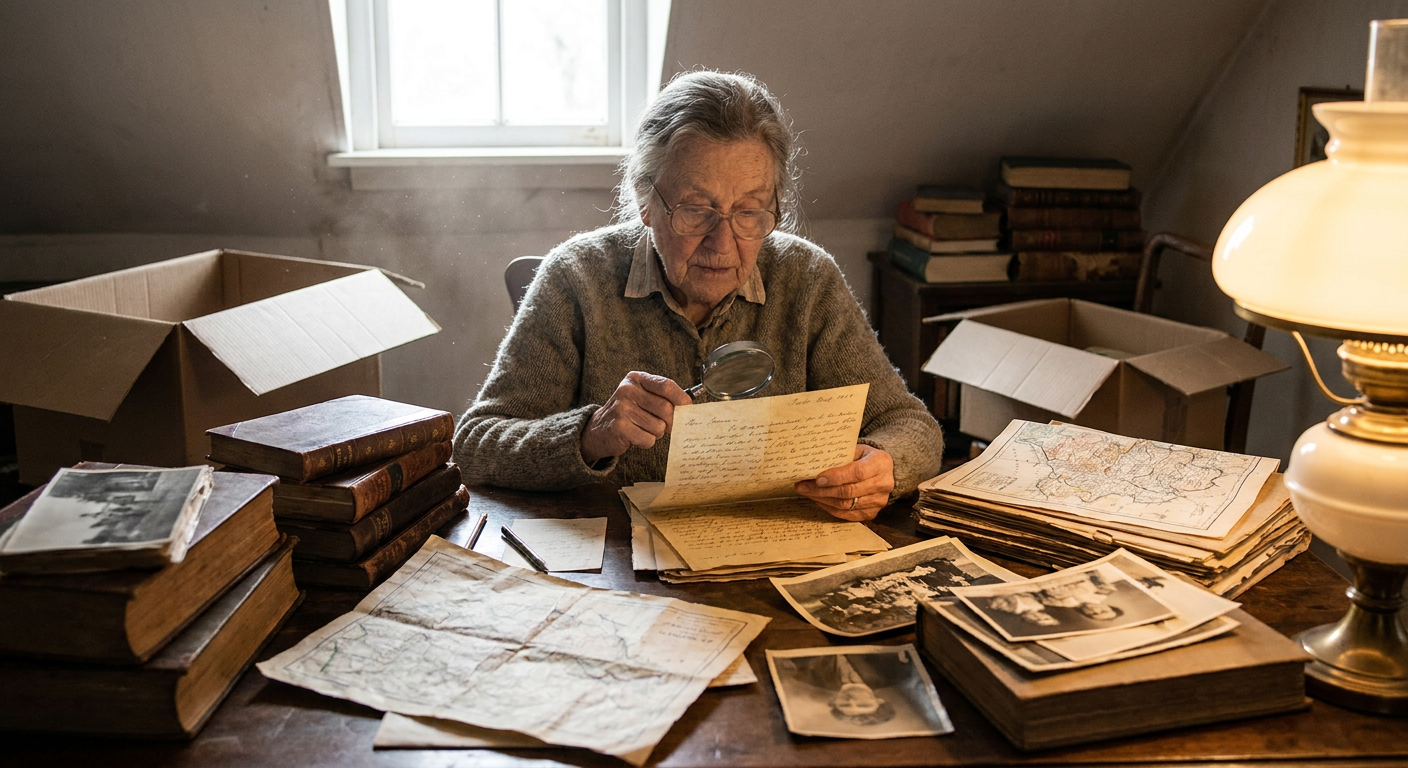
The threads of personal identity are often woven from the grand tapestries of history, connecting the present day to pivotal moments of the past. With the milestone of America's 250th birthday on the horizon, a growing number of people are looking to trace these threads back to the nation's founding generation. This deeply personal search for rebel ancestors goes beyond simple patriotism, representing a desire to establish a tangible link to the individuals who shaped the country's origin story. It is an attempt to understand not just where the nation came from, but where one’s own family fits within that foundational narrative.

Key Takeaways
- The upcoming 250th anniversary of the United States is driving a significant increase in genealogical research, particularly among those seeking ancestors who participated in the American Revolution.
- A "rebel ancestor" is not limited to soldiers. It includes individuals who provided civil service, patriotic service, or material aid to the revolutionary cause.
- Successful research requires a multi-faceted approach, combining traditional archival methods with modern genetic genealogy to verify family lines and connect with distant relatives.
- Exploring your family's role in this era provides a powerful, personal connection to history, helping to understand the diverse and complex experiences that shaped the nation.
The Semiquincentennial Surge: A New Era of Ancestor Research
Significant national anniversaries often serve as powerful catalysts for collective reflection. They are moments when a society pauses to look back at its origins, to measure the distance it has traveled, and to reconsider its founding ideals. This broad, public examination of history naturally inspires a more private and personal parallel. Individuals within that society begin to wonder about their own ancestral connections to those pivotal, nation-defining moments.
A national commemoration on the scale of America’s 250th anniversary inspires a deep curiosity about the past. Events are being planned across the country to mark the occasion. For many, understanding a major historical event means understanding their family’s place within it. The American Revolution, as the nation's origin story, holds a special fascination. The desire to connect with this period is a search for meaning and a way to feel rooted in a larger, shared history.
This trend goes beyond a casual interest in history. It represents a desire to forge a tangible link to the generations who came before. Finding an ancestor who lived through the Revolutionary era makes history personal. Discovering that they actively participated in the cause, whether on the battlefield or the home front, provides a profound sense of connection and identity. As the country reflects on its journey, individuals are embarking on America's great genealogy obsession, seeking to write their family into the narrative.
Who Were the "Rebel Ancestors"?
The term "rebel ancestor" often conjures images of minutemen with muskets, but the reality is much broader and more inclusive. While soldiers in the Continental Army or state militias certainly qualify, the effort to achieve independence involved a wide spectrum of society. Recognizing the many forms of contribution is the first step in a successful search, as it widens the scope of what one is looking for and where one might find it.
To truly grasp the concept, it helps to think of the revolution not just as a war but as the creation of a new society. This immense project required more than fighters. It needed administrators, suppliers, financiers, and public supporters who were willing to risk their lives and property for the cause. Understanding this broader context is crucial for anyone hoping to uncover a familial link to this transformative period in history.
Beyond the Battlefield: Uncovering Civilian Contributions
Patriotic service took many forms. An individual could be considered a patriot for actions such as:
- Civil Service: Serving in a town, county, or state government role that supported the new revolutionary government.
- Patriotic Service: Signing petitions, oaths of allegiance, or other documents renouncing loyalty to the British Crown.
- Material Aid: Providing supplies like food, livestock, or weapons to the Continental Army. Even a farmer who sold wheat to the troops could have a record of their contribution.
These non-military contributions were the bedrock of the revolutionary effort, ensuring that both the army and the new government could continue to function. People who held public office helped establish a new framework of law and order, while those who took oaths of allegiance made a public and often dangerous declaration of their political loyalties. Acts of material aid, from providing a wagon for transport to offering a room in one's home, were essential for sustaining the movement.
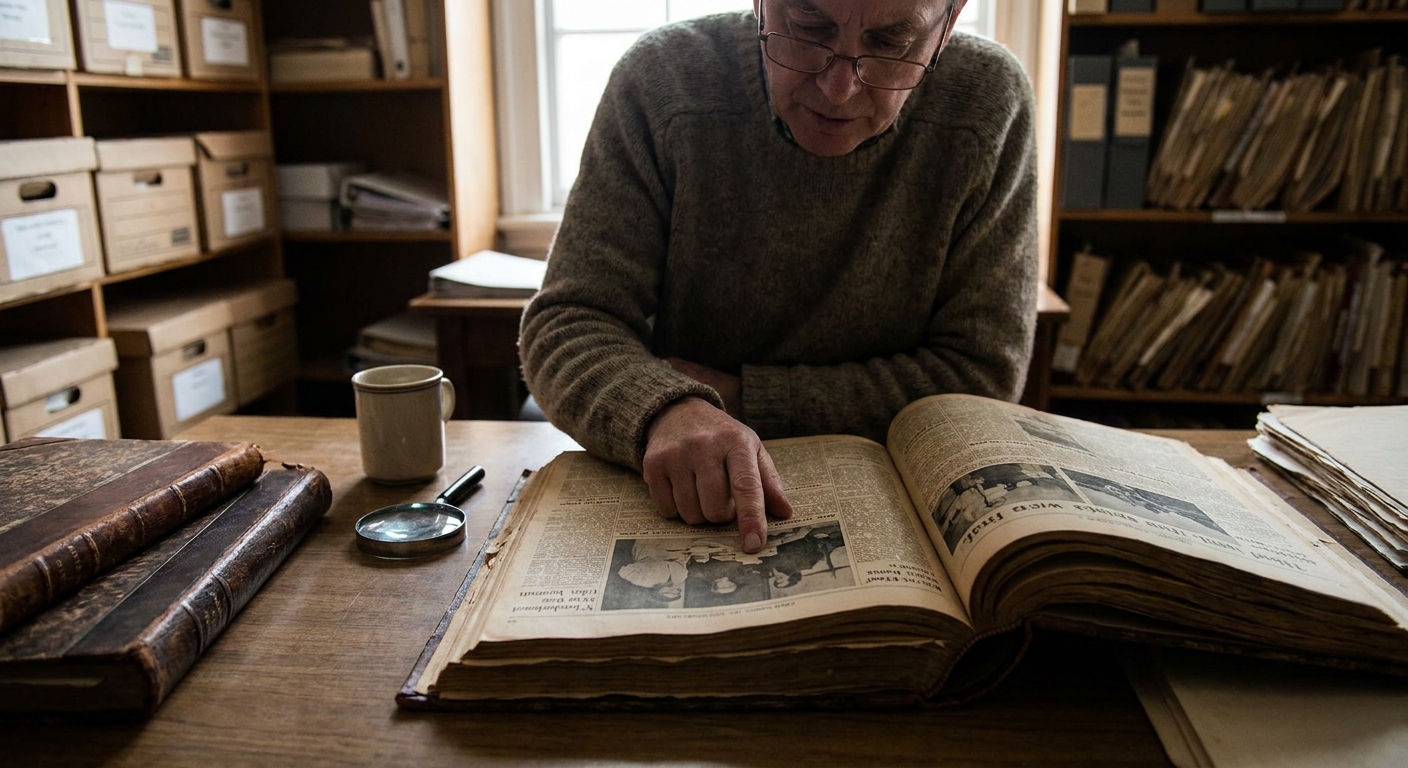
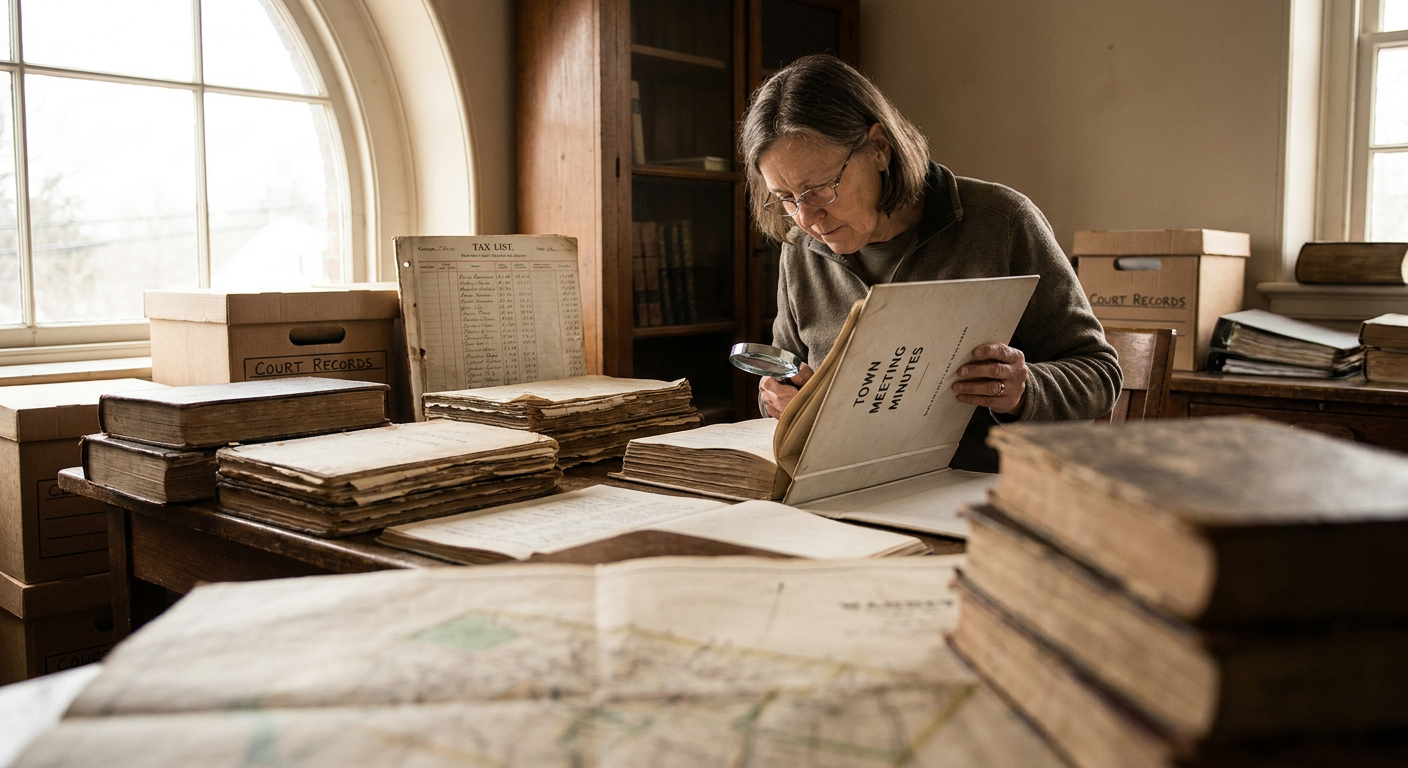
Identifying these contributions requires looking beyond military rosters. Sources like court records, town meeting minutes, and tax lists can hold the key. Old newspaper archives are another invaluable resource, often containing names and details not found elsewhere. You might find notices about town committees, lists of citizens taking an oath, or even reports on local war-related activities that mention your ancestor. This shows how crucial it is to look beyond just obituaries in historical newspapers.
Using DNA to Solidify Revolutionary Roots
In recent times, genetic genealogy has emerged as a revolutionary tool for family historians. It provides a biological blueprint that can complement and confirm the stories pieced together from paper documents. While historical records tell us who our ancestors were supposed to be, DNA can show us who they were on a genetic level. This scientific approach adds a powerful layer of evidence to the genealogical search.
It offers a way to support and expand upon findings from historical documents. An autosomal DNA test can help in several ways:
- Confirming Lineage: It can help verify that you are biologically related to the family lines you have traced through paper records, adding a layer of certainty to your research.
- Connecting with Cousins: DNA matches can connect you with distant relatives who may have already done significant research on your shared patriot ancestor. They might possess family Bibles, letters, or official documents that you were unaware of.
- Breaking Through Brick Walls: When the paper trail goes cold, shared DNA with cousins who descend from a specific branch of the family can provide the clues needed to figure out how your lines connect. Understanding the amount of shared DNA, measured in centimorgans, is critical for determining how you are related to your matches.
It is important to view DNA not as a replacement for traditional research but as its partner. The true power of genetic genealogy is realized when it is used in conjunction with archival work. A DNA match is a clue, but the story behind that connection is found in documents. When the biological evidence and the historical record align, the result is a much stronger and more confident conclusion about your family's past.
Instead, it complements it, adding a new dimension to the stories found in the archives.
Navigating the Archives: Your Research Strategy
Finding an 18th-century ancestor requires a systematic approach. The foundation of any successful search is a well-documented family tree. Start with yourself and work backward, generation by generation, collecting vital records like birth, marriage, and death certificates for each individual. This meticulous work ensures your line is accurate before you make the leap back to the 1700s.
This generational scaffolding is essential for building a credible case. Each proven link between a parent and child serves as a secure anchor point, preventing you from pursuing an incorrect line based on a similar name or location. Jumping back too far, too fast without this foundational work is a common mistake that can lead to frustration and inaccurate a family tree. Diligence in the present is the key to accurately discovering the past.
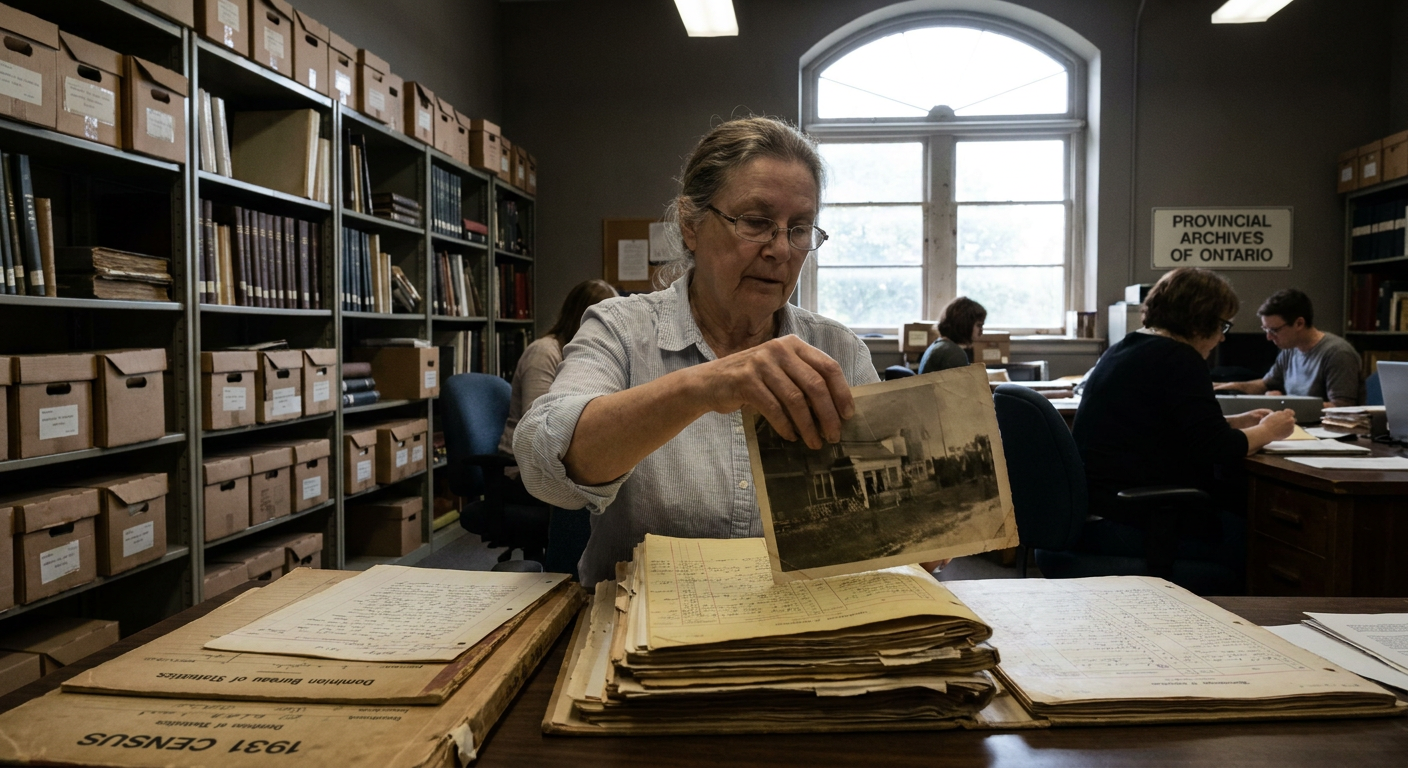
Once you have traced your family to the Revolutionary era, you can begin searching for specific evidence of patriotic service. Platforms with vast collections of historical records are indispensable at this stage. You can search historical records for an ancestor’s name, such as Worthington Smith, in collections like:
- U.S. Census Records: While the first federal census was in 1790, state censuses and colonial enumerations can place your ancestor in a specific location before the war.
- Military Records: These include muster rolls, pension application files, and bounty-land warrants for service in the war.
- Local Histories: County and town histories published in the 19th century often contain lists and biographical sketches of early residents, including Revolutionary veterans.
Deciphering 18th-Century Documents
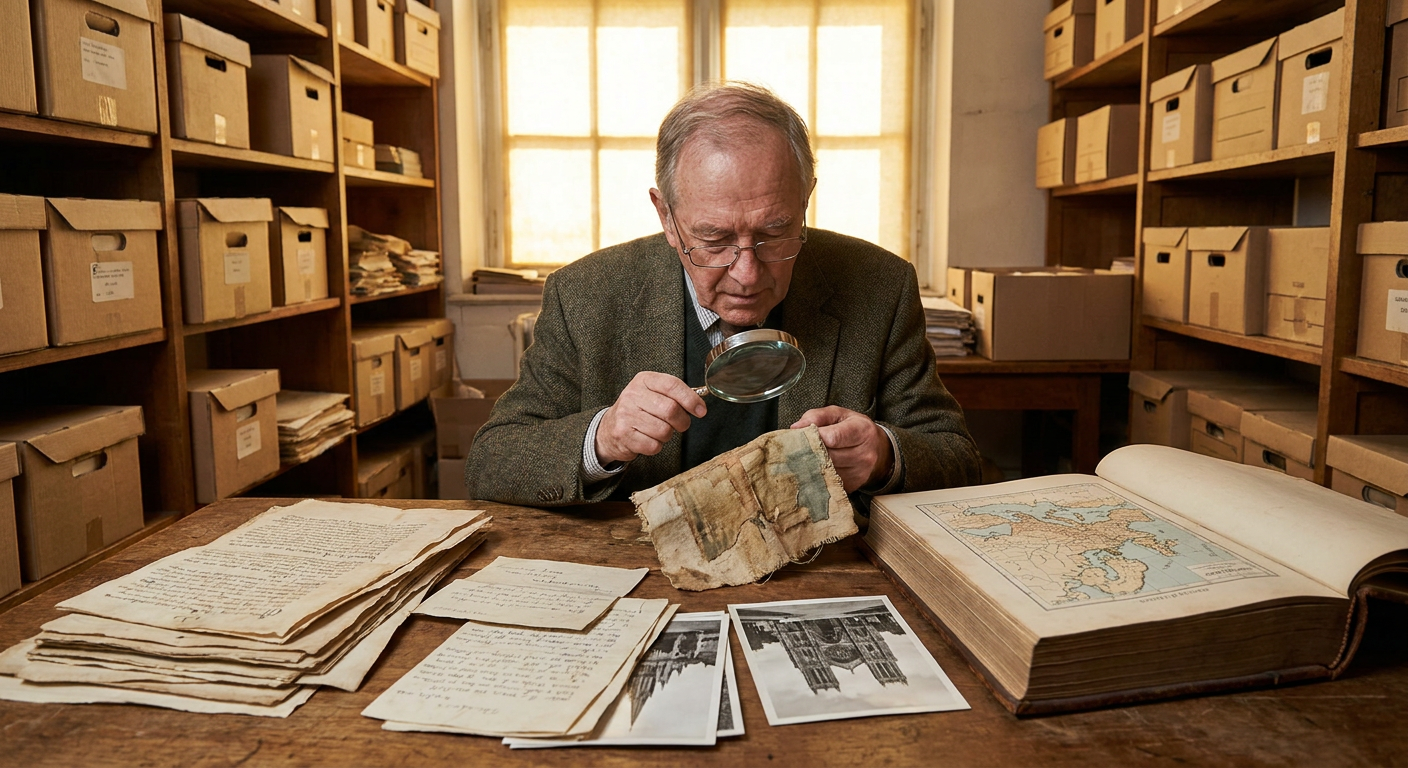
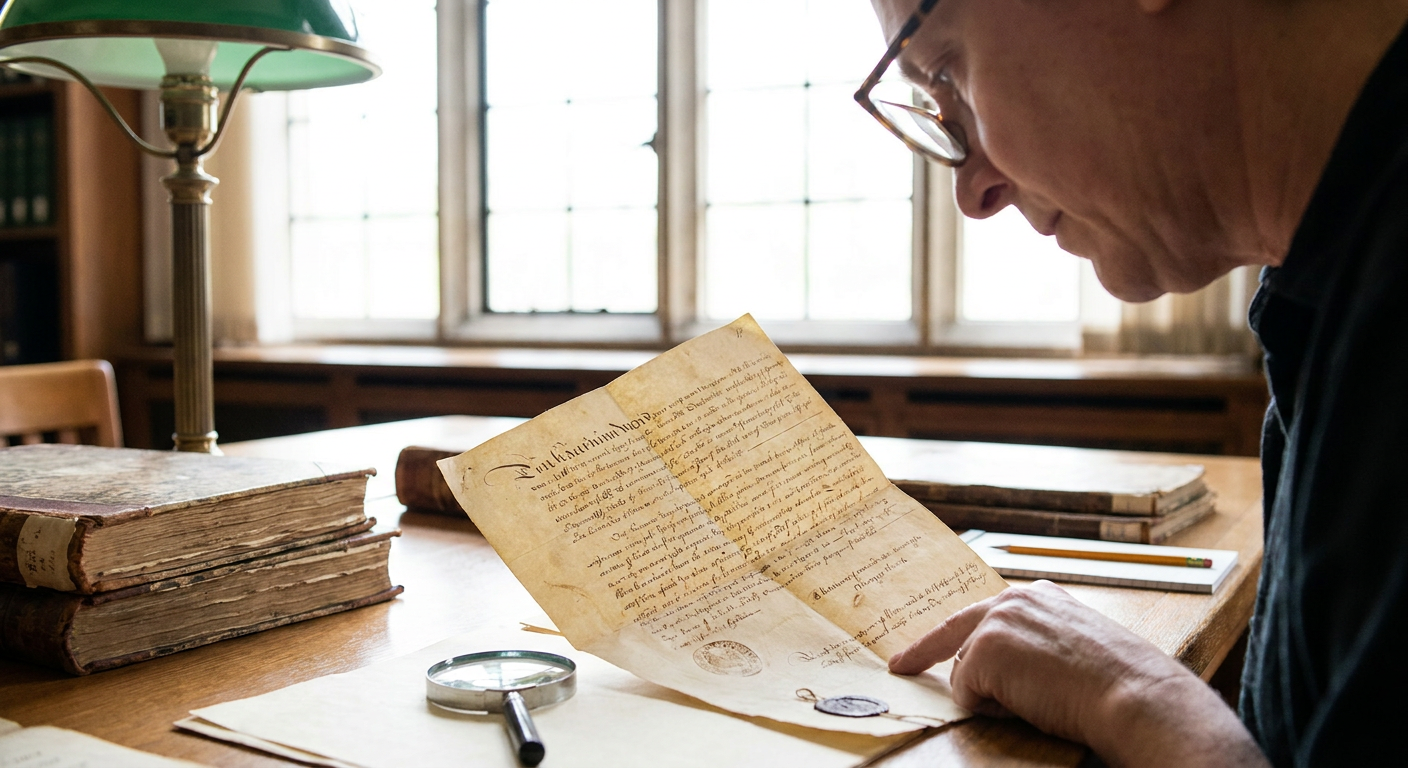
Working with documents from over 200 years ago presents unique challenges. Handwriting styles were different, spellings were inconsistent, and the documents themselves may be faded or damaged. This is where modern technology can assist. Just as AI-powered features can bring old photos to life, some digital tools can enhance the legibility of scanned historical documents, making faint ink darker and easier to read.
Patience and persistence are key, as is trying multiple spelling variations of an ancestor's name. An ancestor named Sydney Willard might appear in records as "Sidney" or "Willird."
The process of reading old records is akin to learning a new dialect of a language. Researchers must become accustomed to unfamiliar abbreviations, archaic legal terms, and the elegant but often difficult flourishes of period penmanship. This historical detective work can be slow and methodical, but it is also exceptionally rewarding. Each successfully translated phrase offers a direct and unfiltered glimpse into the world your ancestor inhabited.
The American Story Is a Chorus of Voices
As you search for a rebel ancestor, it is also important to remember the complexity of the era. The American experience during the Revolution was not monolithic. For every patriot, there were loyalists who remained faithful to the Crown, neutral parties who tried to avoid the conflict, and enslaved people for whom the promise of "liberty" had a different and often unfulfilled meaning. Native American communities were also deeply impacted, often forced to choose sides in a conflict that would drastically alter their world.
A thorough and honest exploration of family history means being open to all possibilities. You may discover an ancestor who actively opposed the revolution or one who simply tried to survive in a time of great upheaval. Finding such a story is not a failure of research. Instead, it is a success in capturing a more authentic and human portrait of the past, reminding us that historical events were experienced by real people facing difficult choices.
Engaging with the 250th anniversary means exploring all these stories. Learning about your family’s full experience during this time, whatever it may be, offers a more complete and honest understanding of American history. Organizations and publications across the country are highlighting these diverse narratives, creating interactive maps and guides to help people explore the many places that tell the nation's story. Whether your ancestor was a celebrated patriot, a quiet farmer, or someone whose voice has been previously overlooked, their story is a vital thread in the American tapestry.
The search for a connection to the American Revolution is more than a hobby. It is a way to understand where we come from. This exploration fosters a more intimate appreciation for the challenges and triumphs of that foundational period. As the nation celebrates this historic anniversary, discovering your family’s role in its founding can be a deeply rewarding experience, bridging the centuries and connecting your personal story to the enduring, evolving story of a nation.
Frequently Asked Questions