English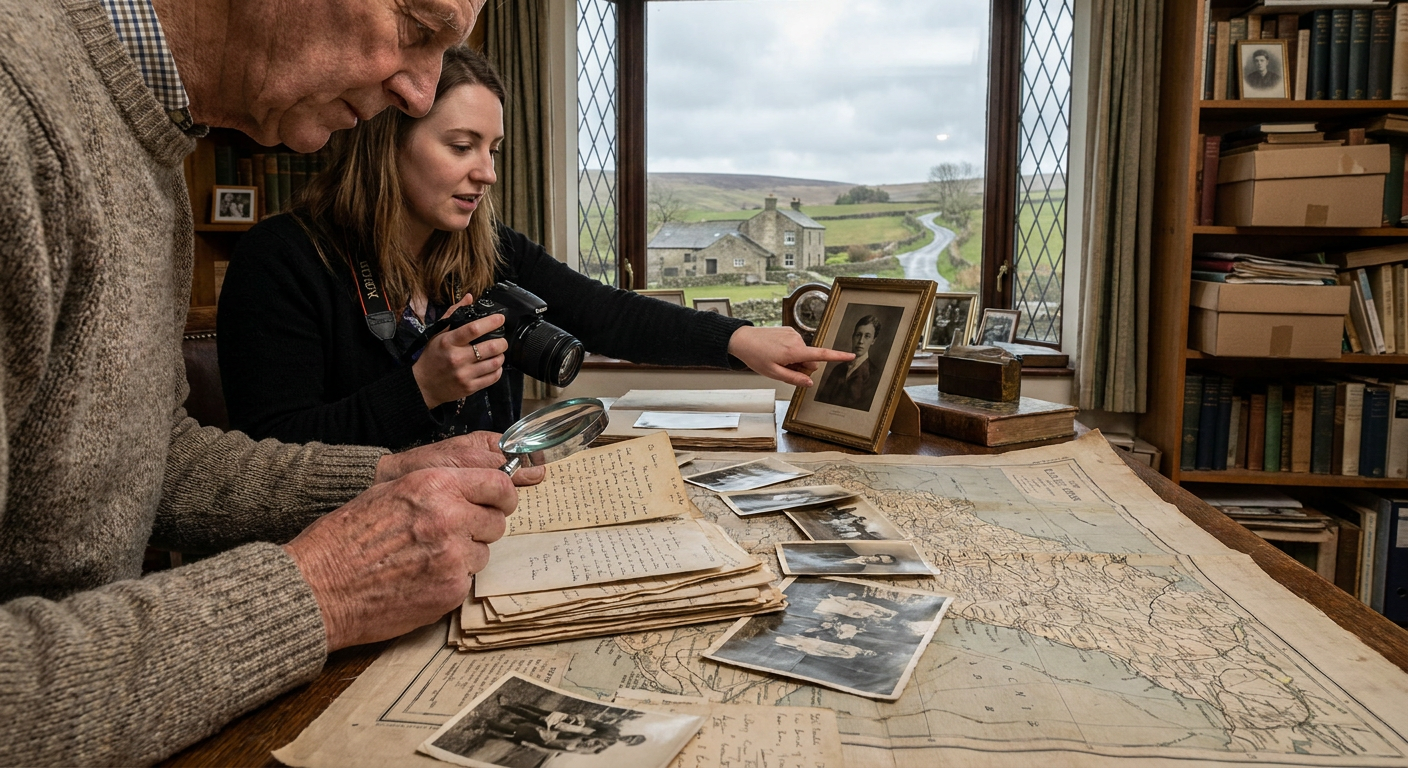
More than ever, Americans are looking to the past to understand themselves and their place in the world. This popular pastime represents a profound cultural shift, a collective turning toward our roots in a search for connection and identity. What was once the domain of dedicated specialists has become a mainstream phenomenon, a great national obsession with uncovering the stories of those who came before us. This interest in genealogy is fueled by a powerful combination of accessible technology, cultural moments, and a deep, human need to know our origins.

Key Takeaways
- A growing number of Americans are actively researching their family history, driven by new technologies and a quest for personal identity.
- Getting started is easier than ever: begin by gathering information from living relatives and home sources before moving to online platforms.
- DNA testing and digitized historical records are the two main pillars of modern genealogy, often revealing unexpected connections and breaking down longstanding research barriers.
- Emerging AI technologies are revolutionizing the field, offering new ways to interact with the past by colorizing photos, transcribing documents, and more.
Why Now? The Forces Driving the Genealogy Boom
The current fascination with family history isn't an accident. It is the result of several key factors converging at once, making it simpler and more compelling than ever to explore one's heritage.
Technological Leaps and Accessibility
Genealogy is no longer confined to dusty archives and specialized libraries. For many, the journey begins with building a family tree, a process that can start with simple information and grow exponentially. Innovations in Artificial Intelligence are also playing a significant role. According to recent search trends, "AI for Personal History" is a topic of major interest in 2026.
AI-powered features can now automatically enhance, repair, and colorize old family photos, bringing faded black-and-white images to life with stunning realism. This technology is bridging the emotional gap between the present and the past, allowing us to see our ancestors as they truly were.
A Search for Identity in a Complex World
In a rapidly changing world, having a strong sense of self is invaluable. Genealogy offers a powerful anchor, grounding individuals in a lineage that stretches back through generations. Understanding the struggles, triumphs, and journeys of one's ancestors provides context for one's own life story. For many, it’s about connecting to a heritage or "old country" that feels distant, bringing stories of immigration into sharp focus.
It answers fundamental questions: Where did my family come from? What did they experience? What traits and traditions have been passed down to me? This search for belonging is a significant driver of what has become a great American obsession.
Cultural Milestones Sparking Curiosity
National celebrations often inspire a wave of reflection and historical interest. With the upcoming 250th anniversary of the United States, many Americans are feeling a renewed curiosity about their family's role in the nation's story. This has led to a particular interest in finding connections to the revolutionary period. Beyond national events, personal discovery is a huge motivator.
Significant life events, like the birth of a child or the passing of a parent, often prompt a deeper desire to understand and preserve the family narrative. Perhaps you've heard family stories about a surprising connection, like unexpected Mediterranean DNA showing up in a predominantly British family, and want to investigate the truth.
A Practical Guide: How to Start Your Family History Journey
Embarking on your genealogical quest can feel daunting, but it can be broken down into manageable steps. By following a structured approach, you can build a rich and accurate picture of your family's past.
Step 1: Start with What You Know
The foundation of any strong family tree is the information you already have. Ask them about their parents, grandparents, and even great-grandparents. Record their memories, names, dates, and locations. While you do this, gather any documents from your own home.
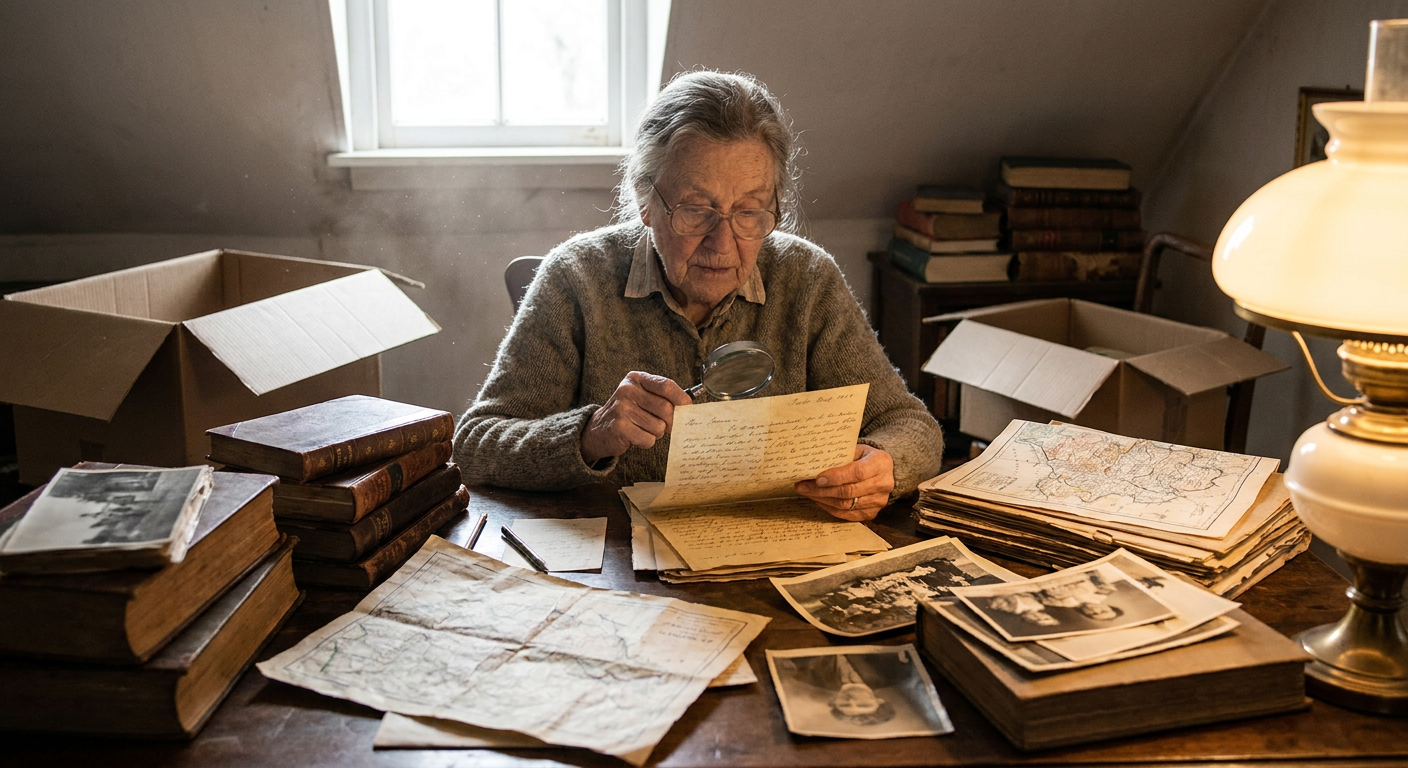
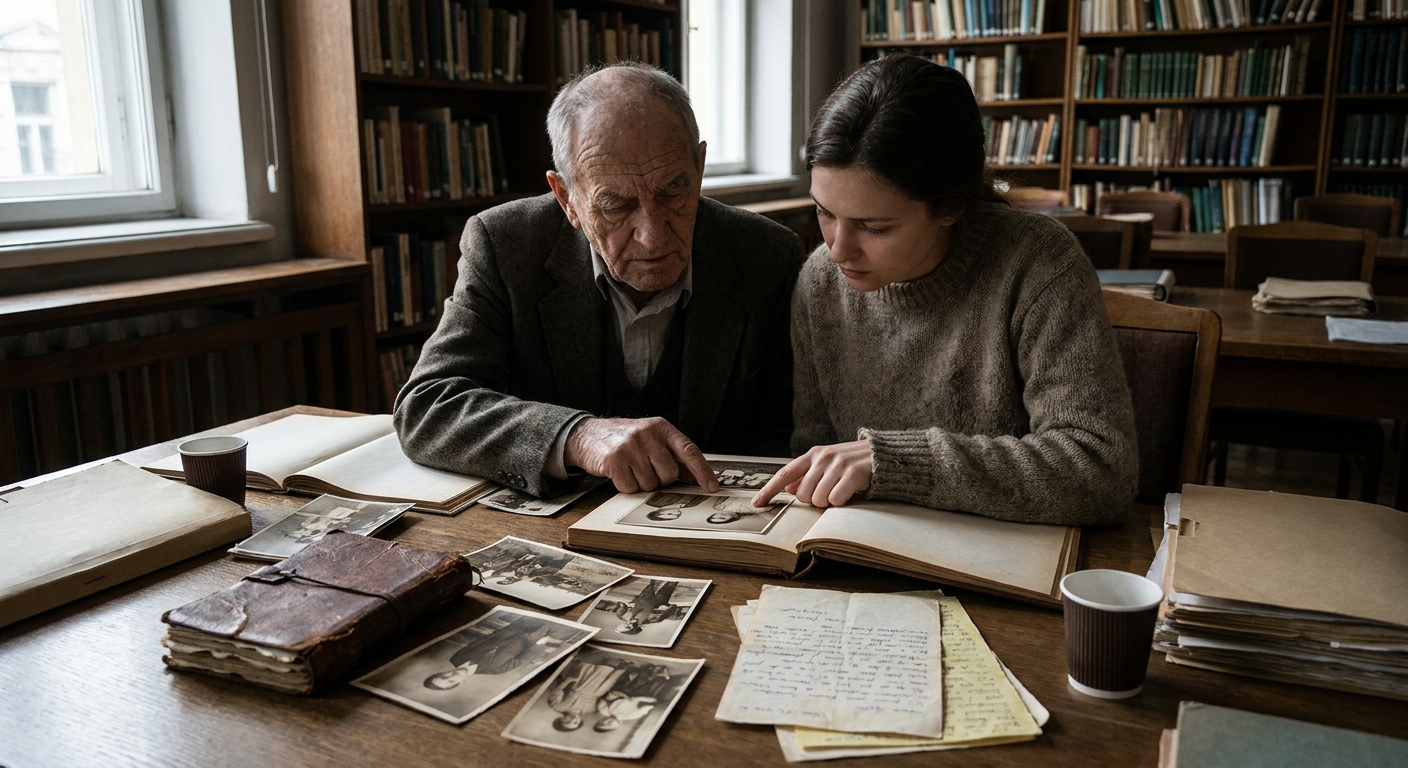
Search attics and basements for old photographs, letters, diaries, birth and death certificates, marriage licenses, military medals, and family Bibles. These home sources are all invaluable pieces of the puzzle. This initial process follows the principles of the most effective genealogists, turning chaos into clarity from the very start.
Step 2: Build Your Initial Family Tree
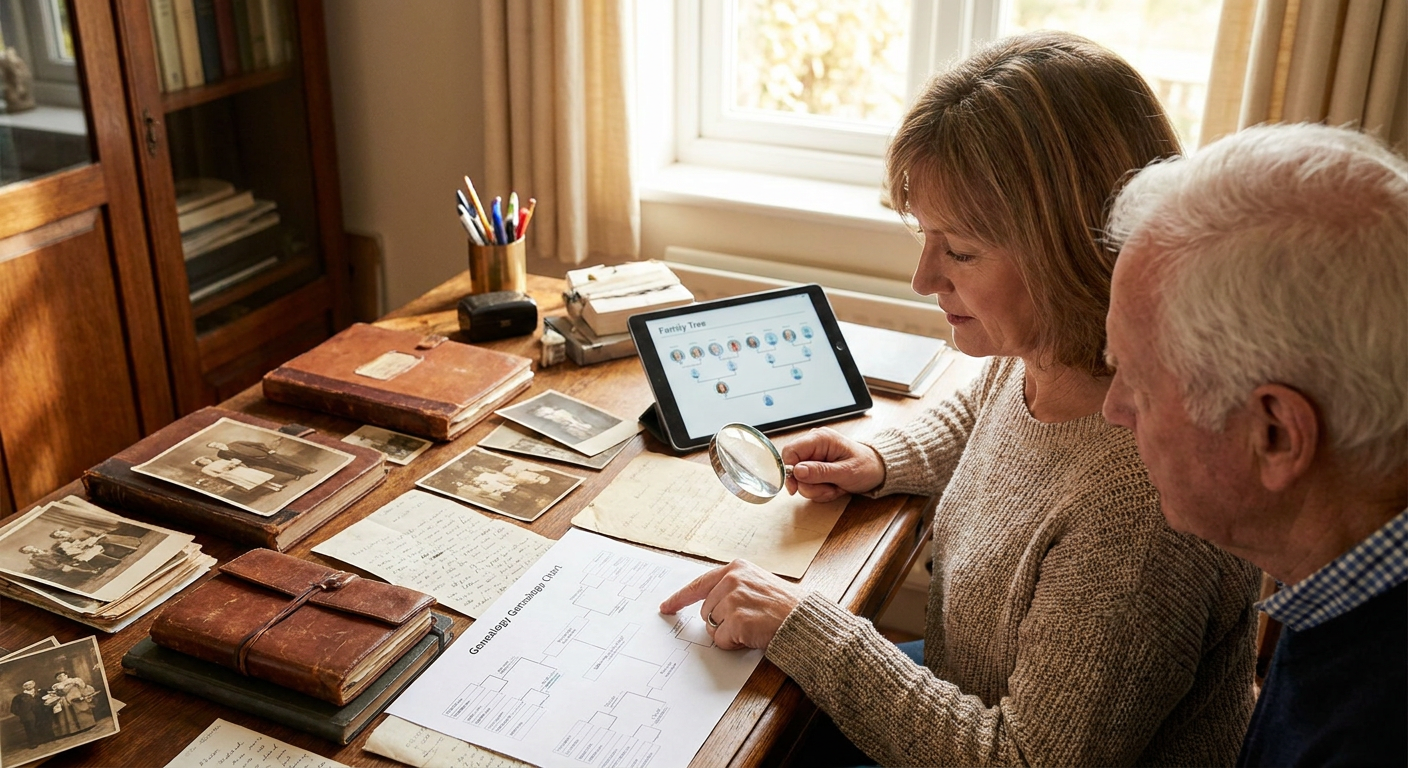
Once you have gathered this initial information, it's time to organize it. The best way to do this is by starting an online family tree. Enter the names, dates, and relationships you've collected from family members and home sources. As you add more people, you may find that powerful technology like Smart Matches™ automatically suggests connections to other family trees, potentially adding entire branches to yours with a few clicks.
Step 3: Dive into Historical Records
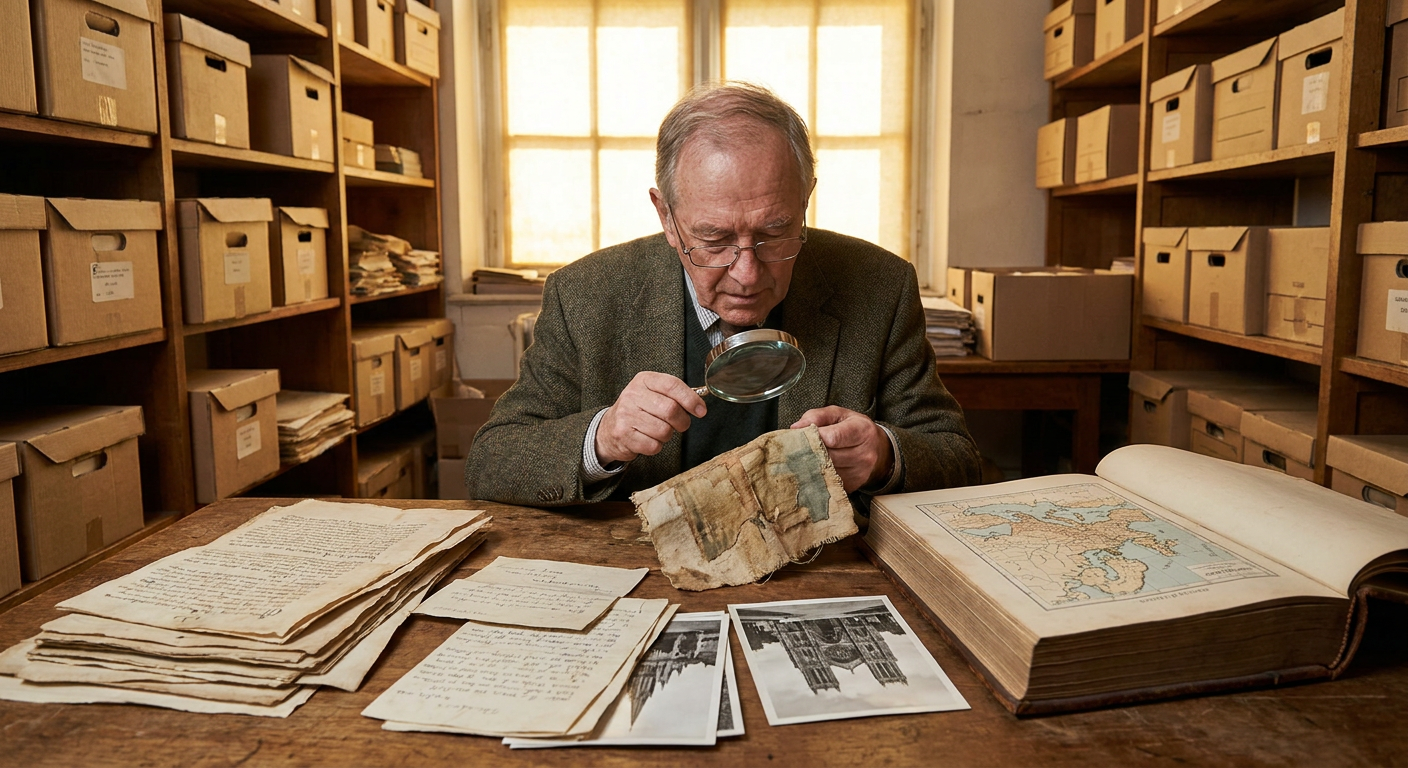
With your foundational tree in place, you can begin exploring the vast collections of digitized historical records available online. These documents provide the evidence needed to confirm family stories and discover new ancestors.
- Census Records: These are the backbone of much of American family history research. A census record provides a snapshot of a household at a specific point in time, listing names, ages, relationships, occupations, literacy, and birthplace for each person present.
- Vital Records: Birth, marriage, and death certificates are crucial for pinning down key life events. A death certificate is particularly valuable, as it often names the parents of the deceased, potentially unlocking a previous generation.
- Immigration and Travel Records: Passenger lists can reveal the name of the ship your ancestor traveled on, their port of departure, their date of arrival, and who they were traveling with.
Step 4: Unlock Your Genetic Story with DNA
While historical records build your tree, DNA testing can confirm it and even break through seemingly insurmountable "brick walls." An autosomal DNA test provides two key discovery pathways. First, it offers an Ethnicity Estimate, a percentage breakdown of your genetic origins from around the world. Second, and for many researchers more importantly, it identifies your DNA Matches, other people in the database who share DNA with you. These matches can range from close family to distant cousins, each one a potential key to unlocking a new part of your family story. Understanding the science behind these matches is crucial, debunking common myths and a little knowledge goes a long way.
Overcoming the Dreaded 'Brick Wall'
Every researcher eventually hits one: a "brick wall," an ancestor past whom you can find no further information. It's a frustrating but normal part of the process. The obsession truly takes hold when you learn how to break through these barriers. Instead of giving up, try a new approach.
- Re-examine Your Records: Look at the documents you already have with fresh eyes. Is there a clue you missed? The name of a witness on a marriage certificate or a neighbor in a census record could be a relative.
- Research Collateral Lines: If you can't find information on your direct ancestor, research their siblings. A brother's death certificate might list his parents' names when your ancestor's does not. A sister's family may have held onto different family stories or photos.
- Use DNA Strategically: A brick wall is a perfect reason to explore your DNA matches more deeply. Look for groups of matches who all share a common ancestor with each other. By building out their trees, you can often discover the shared ancestor that connects them, and you—to the solution to your puzzle.
Navigating the Nuances of Genetic Genealogy
Your DNA results can sometimes contain surprises. Suddenly finding new cousins or an unexpected ethnicity can be a powerful experience. It’s important to approach these discoveries with an open mind and understand the science that underlies them. For example, the amount of DNA you share with a match, measured in units called centimorgans, is critical for determining your likely relationship.
A parent and child share around 3400 cM, while first cousins might share around 850 cM. This genetic evidence can often lead to solving family mysteries or confirming connections that were once just whispers.
When a discovery is truly unexpected, it requires sensitivity. If you reach out to a new close match, remember they may be just as surprised as you are. Start with a simple, friendly message introducing yourself and explaining that you appeared as a match, offering to share information when they are ready. In some remarkable instances, genetic genealogy has even been used as evidence in cold cases, bringing resolution to decades-old mysteries.
The Future is Here: AI and the Next Frontier of Discovery
The field of genealogy is constantly evolving, and Artificial Intelligence is at the forefront of the latest advancements. You can bring old family photos to life with incredible photo animation features like Deep Nostalgia™. AI can also transcribe the most difficult historical handwriting, turning previously unreadable documents into searchable text. Features like AI Biographer™ can take the records and data points you’ve collected and weave them into a narrative summary of an ancestor’s life.
Of course, these powerful new capabilities also raise new questions. The ability for an AI to recreate an ancestor's voice, for instance, opens up a fascinating ethical dilemma about how we should represent those who came before us. These are the conversations shaping the future of how we connect with our past.
From Hobby to Lifelong Passion
What often begins as a simple question can blossom into a lifelong passion. The thrill of discovery, of finding an ancestor’s name on a passenger list or seeing a great-grandparent’s face for the first time, is a powerful motivator. This passion is shared by a vibrant community. You can connect with others by joining a local historical or genealogical society, organizations dedicated to preserving community heritage and helping researchers. National advocacy groups even work to ensure future access to and preservation of historical records.
Increasingly, genealogy is also finding its place in the academic world, with scholars recognizing its value in understanding history on a more personal level. For many, the obsession is about contributing to a larger project. By building an accurate, well-sourced family tree, you are not just uncovering your story; you are preserving it for your children, grandchildren, and all future generations. It becomes a legacy.
Ultimately, the great American ancestry craze is about more than just names and dates. It is about the search for personal truth and the threads that connect us to the vast tapestry of human history. It is a journey of discovery that enriches our understanding of not only our ancestors, but ourselves.
Frequently Asked Questions