English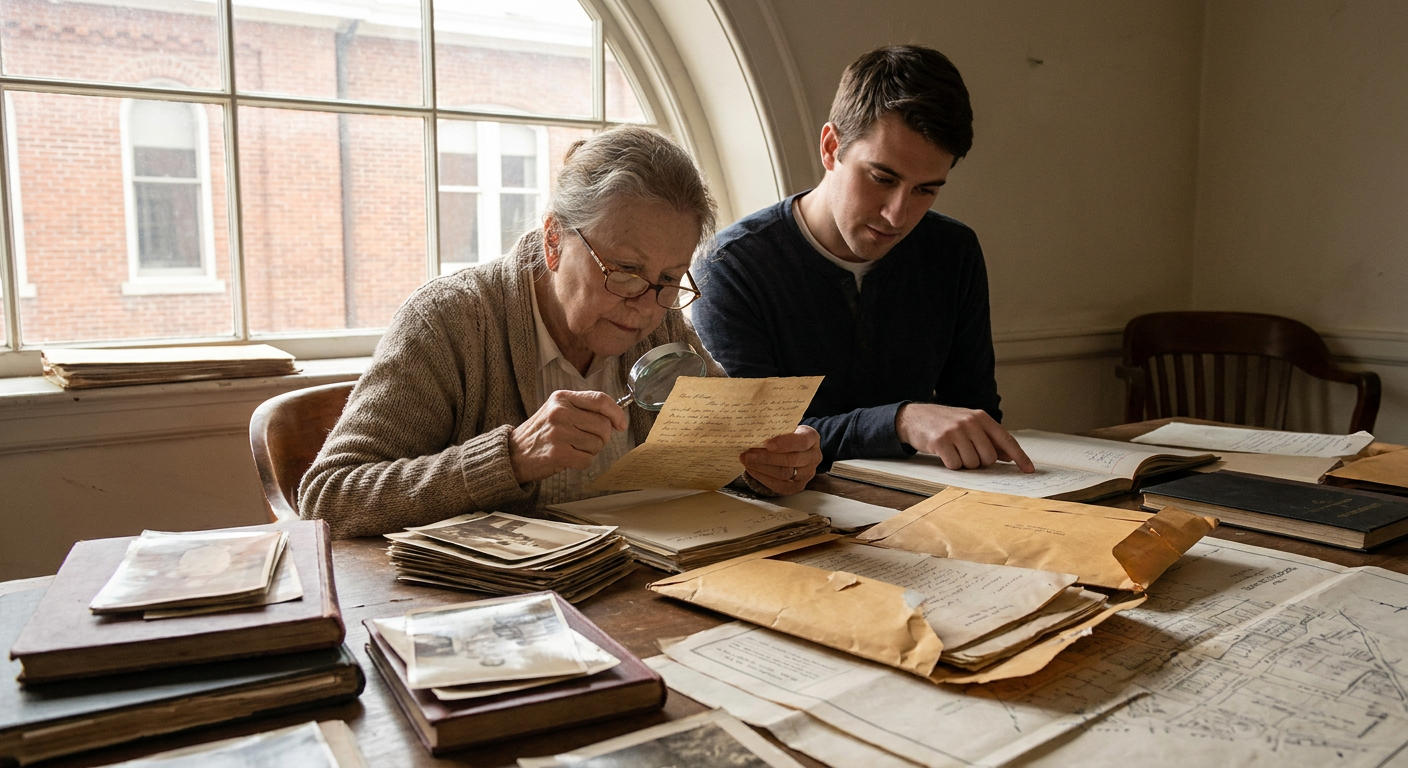
Genetic genealogy, the practice of using DNA testing to uncover family history, has long been a source of profound personal discoveries. But in recent years, this technology has found an unexpected and powerful application: solving mysteries that have gone cold for decades. A single DNA sample, carefully preserved from a crime scene years ago, can now be the key that unlocks a cold case, identifies a suspect, and finally brings answers to grieving families. This process, known as forensic genetic genealogy, bridges the worlds of family history and criminal investigation, turning consumer DNA databases into powerful tools for law enforcement.

The rise of forensic genetic genealogy represents a pivotal moment in criminal justice. It combines the precision of DNA science with the classic detective work of genealogical research, creating a new path to justice when all other leads have run dry. For many, this is that breakthrough.
Key Takeaways
- Forensic genetic genealogy uses consumer DNA databases to identify suspects in cold cases by finding their relatives.
- The process involves building family trees from distant cousin matches to zero in on a person of interest.
- This method differs from law enforcement databases like CODIS, which require a direct DNA match to an existing profile.
- While incredibly powerful, the technique raises important ethical questions about privacy and consent, leading to strict protocols for its use.
What is Forensic Genetic genealogy?
Forensic genetic genealogy is an investigative method that uses genetic information to help identify suspects or the remains of victims in criminal cases. Unlike traditional DNA analysis used by law enforcement, this technique does not require a direct match in a criminal database. Instead, it relies on finding relatives of an unknown individual within commercial genealogy databases, which contain DNA profiles voluntarily submitted by people researching their family history.
Law enforcement agencies have long used DNA databases like the Combined DNA Index System (CODIS). However, CODIS is effective only when the DNA profile from crime scene evidence directly matches a profile already in the system, typically from a convicted offender of a serious crime like rape or murder. When no match is found, the case often stalls. Forensic genetic genealogy provides a new way forward by searching for partial matches, indicating a familial relationship.
By identifying even distant cousins, investigators can construct a "reverse family tree" to pinpoint the likely identity of the person who left the DNA sample. This process essentially works backwards from the known relatives to find an unknown common link.
The Science Behind the Breakthrough
This investigative revolution is powered by a specific type of DNA testing familiar to many family history enthusiasts: Autosomal DNA Testing Unlocks the Complete Biological History of Modern Families, examining DNA inherited from all of a person’s ancestors. This comprehensive view allows for the identification of relatives across all branches of a family tree, from close family to distant cousins.
Autosomal DNA and Relative Matching
When investigators upload a crime scene DNA profile to a public genealogical database, the platform searches for other users who share significant segments of DNA with the unknown sample. The amount of shared DNA, often measured in units called centimorgans, helps estimate the closeness of the relationship. Learning about Centimorgans: The One Number Defining Your DNA Matches is crucial for understanding how these connections are evaluated. A high centimorgan count suggests a close relative, while a lower count points to a more distant cousin. It is these distant cousin matches, often third or fourth cousins who have never met, that frequently provide the first crucial clue in a cold case.
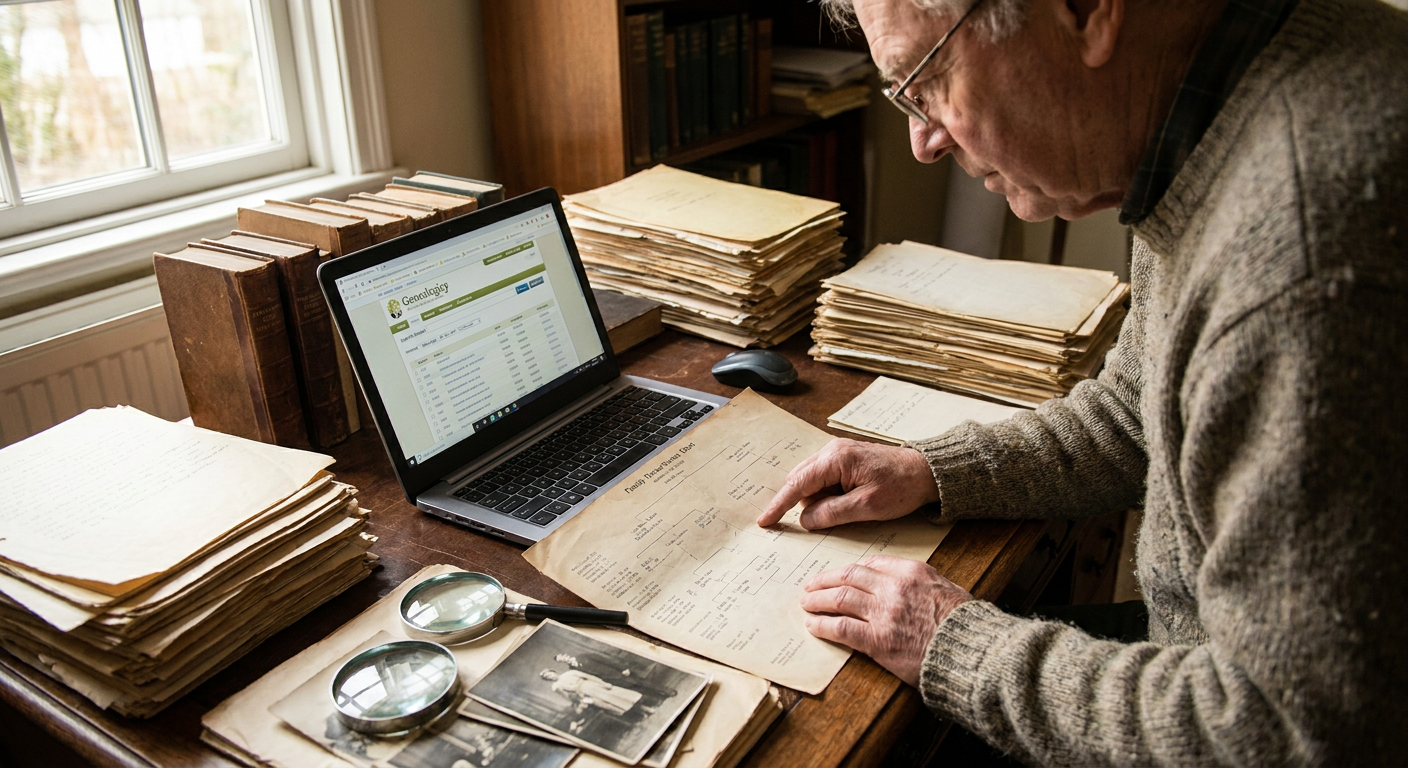
These matches are possible because long stretches of identical DNA are passed down through generations. While the amount of shared DNA decreases with each generation, enough remains to identify these distant familial connections, a concept that has debunked several 7 Genetic Genealogy Myths Science Just Totally Debunked about the limits of DNA.
From a Match to a Suspect: The Genealogical Work
Identifying a DNA match is only the first step in a long and meticulous process. The real work begins when a genealogist starts to build a family tree based on these newfound genetic connections. The goal is to find the most recent common ancestors shared between the unknown individual and their DNA matches.
Building the Investigative Family Tree
Expert forensic genealogists often hope to find matches from different branches of the suspect’s family. By building out the family trees of several distant cousins, they can search for points where the distinct family lines intersect. Genealogists work backwards, tracing the ancestors of the DNA matches until a common ancestral couple is identified. From there, they reverse course and build the tree forward in time, documenting all of that couple's descendants down to the present day.
Ideally, the process involves finding two separate DNA matches who do not appear to be related to each other. This process of triangulation can quickly eliminate hundreds of potential individuals, allowing the investigation to focus on a very small group of people, or even a single person.
The Tools of the Genealogist
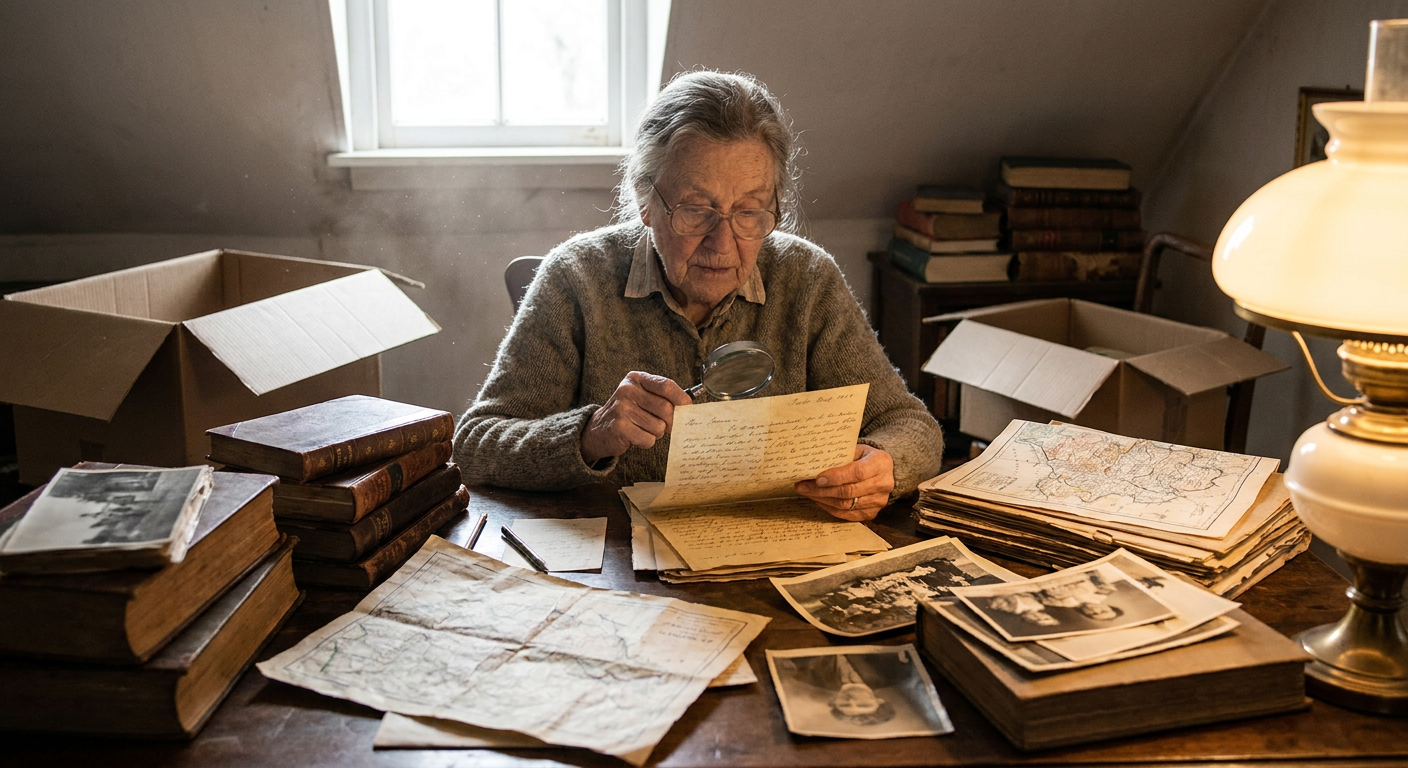
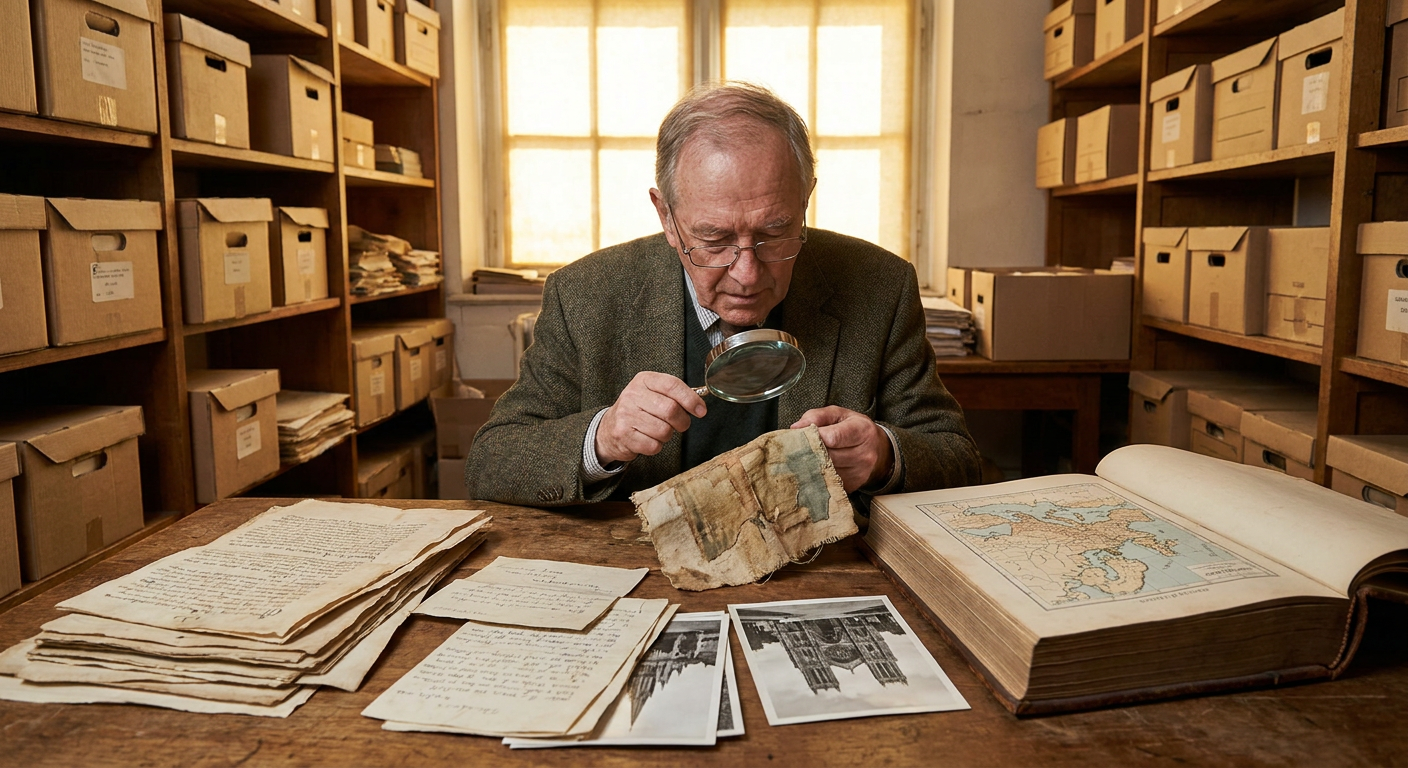
The work of building these investigative family trees relies on a vast collection of public and historical documents. This is where the skills of a traditional genealogist become indispensable. Researchers meticulously comb through digitized historical records to piece together the puzzle. Key documents include:
- Census Records: These provide snapshots of families at regular intervals, showing household members, ages, occupations, and locations. They are essential for tracking family units over time.
- Birth, Marriage, and Death Records: Vital records are the bedrock of genealogy, offering direct evidence of family relationships, dates, and places.
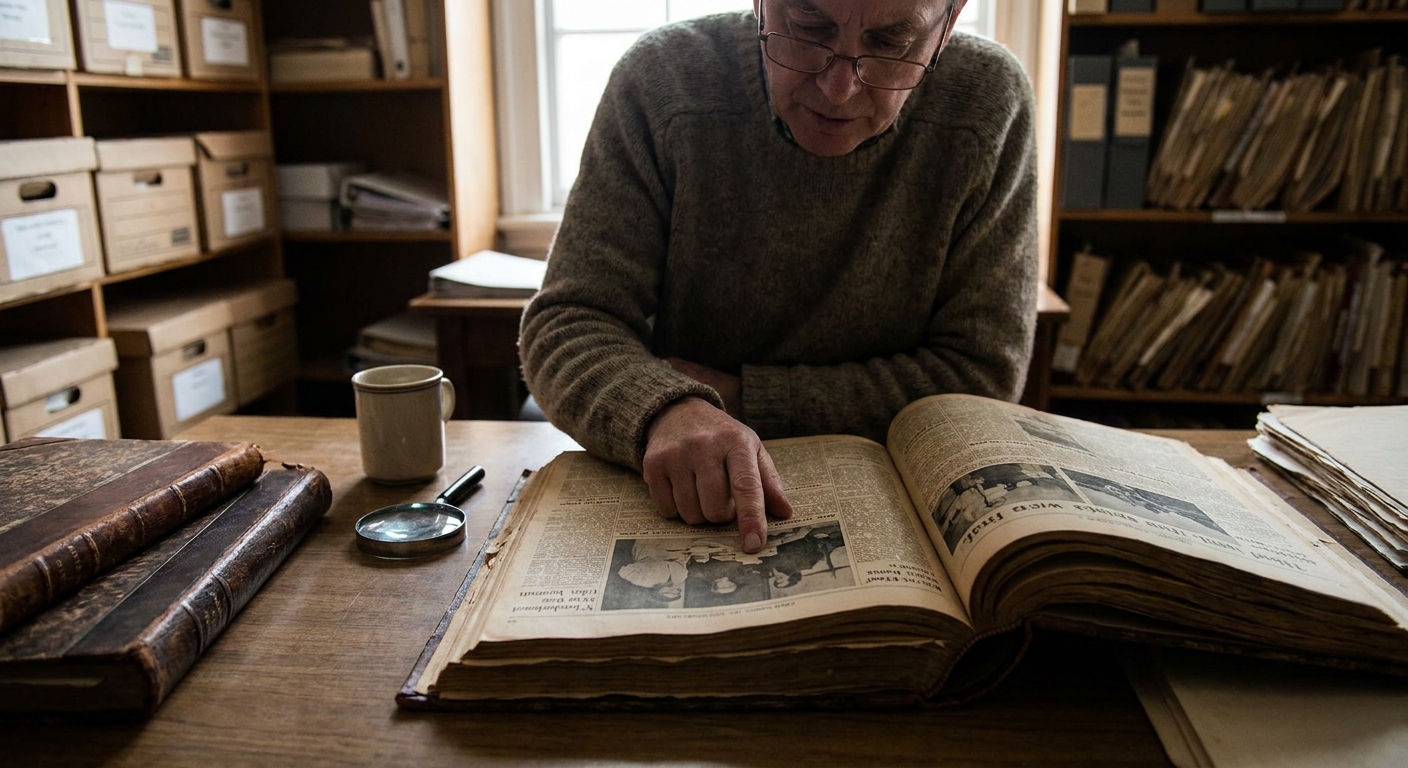
- Newspapers and Obituaries: These can provide rich narrative details, including names of surviving family members, locations, and other clues that might not appear in official documents.
- Public Records: Other public records like city directories, property records, and military files can help trace an individual’s movements and associations, further refining the search.
The Ethical Tightrope: Privacy, Consent, and Justice
The success of forensic genetic genealogy has been accompanied by a robust and necessary debate about ethics and privacy. While the technique has brought closure to families and justice for victims, it operates in a gray area of consent, as the relatives who provide the crucial DNA links are often unaware of their role in a criminal investigation. When a DNA Kit Becomes Evidence in a Cold Case, it raises profound questions for society.
Terms of Service and Law Enforcement Policies
In response to these concerns, consumer genealogy services have established clear policies regarding law enforcement use of their databases. Most platforms require law enforcement to obtain a warrant or subpoena to search their databases, ensuring judicial oversight. Others have an opt-in system, where users must explicitly consent to their DNA being used for these purposes. This gives individuals direct control over whether their genetic information can assist in identifying suspects in violent crimes.
The Risk of Misidentification
The most critical ethical safeguard is the understanding that genetic genealogy identifies leads, not proves guilt. A genealogical conclusion is an educated hypothesis that must be confirmed with direct evidence. Law enforcement must obtain a direct DNA sample from the person of interest to compare against the crime scene evidence. Often, this is done through surveillance, such as collecting a discarded coffee cup or cigarette butt that contains the suspect's saliva.
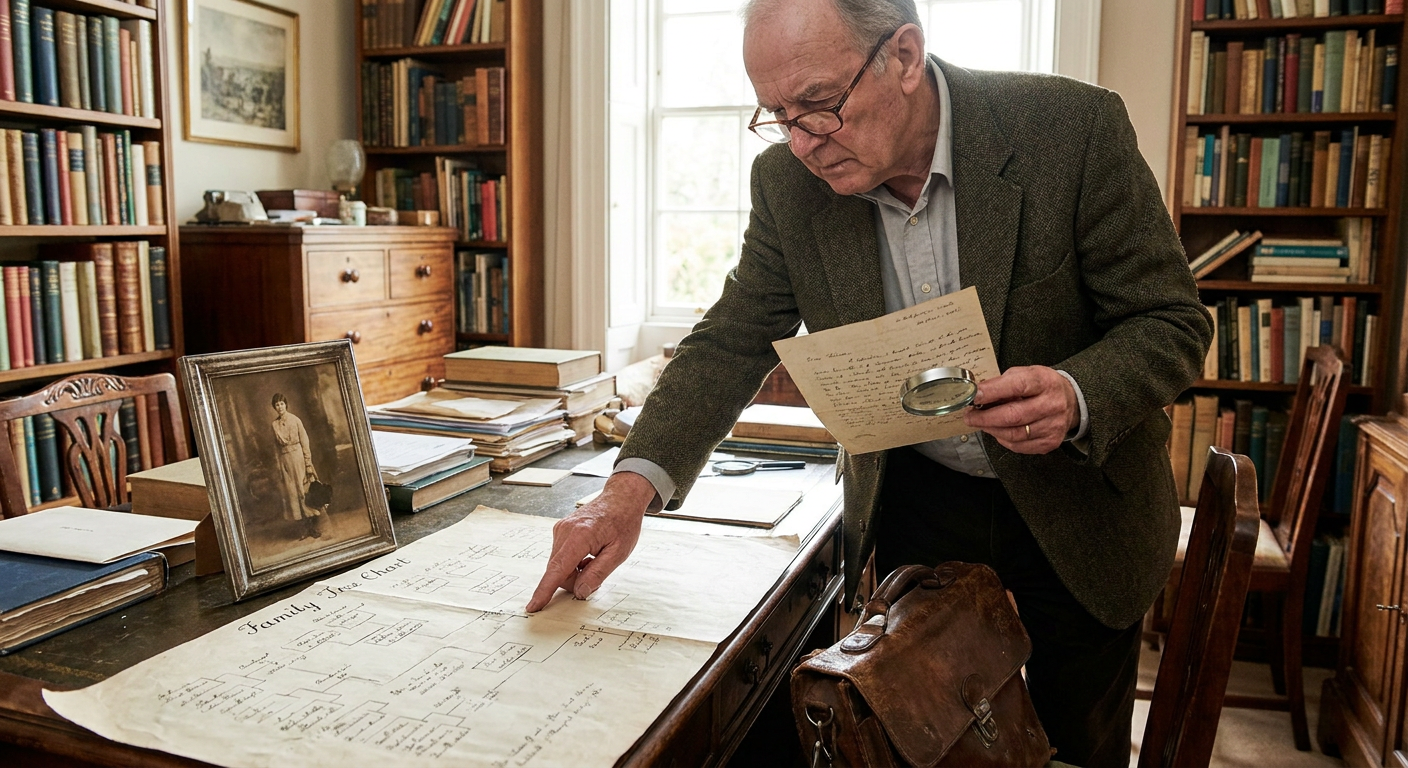
This distinction is vital to prevent miscarriages of justice. The process is not foolproof, and without this final confirmatory step, it could potentially accuse the wrong person, a concern that highlights the need for strict protocols. These ethical discussions mirror broader conversations in genealogy, such as whether an Should an AI Be Allowed to Speak for Your Ancestors?, forcing a careful balance between technological innovation and personal rights.
What This Means for Your Family History
The same vast, crowd-sourced network of DNA data that helps investigators solve crimes is what enables individuals to break through brick walls, find biological parents, or discover The Spaniard Secret: Why British Families Are Finding Unexpected Mediterranean DNA.
The methods forensic genealogists use are an advanced application of the same ones used by dedicated family historians every day. Building trees from DNA matches, searching for common ancestors, and validating theories with historical records are foundational skills for anyone on a journey of discovery. Whether the goal is to solve a century-old family mystery or a modern criminal case, the underlying principle is the same: the story is written in our DNA, waiting to be read.
The journey into your past can reveal unexpected connections and provide answers you never thought possible. Each family tree grown and each DNA kit submitted contributes to a global tapestry of human connection, one that can bring clarity to personal histories and, in some remarkable cases, justice to an entire community.
Frequently Asked Questions